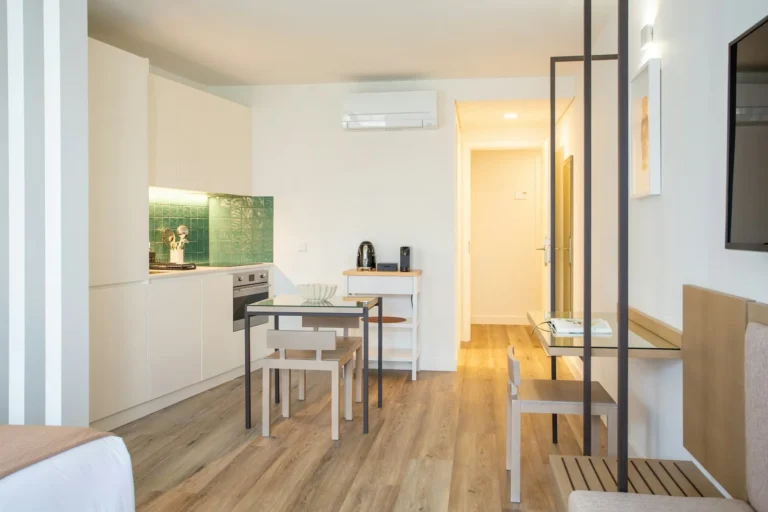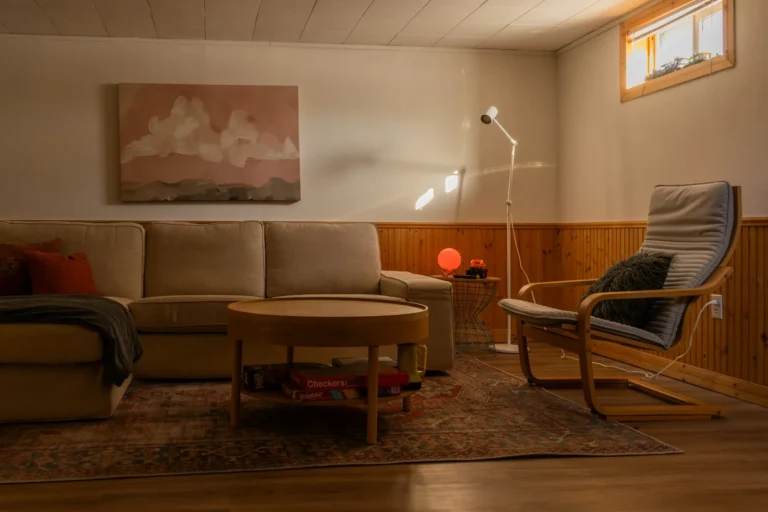
The Ultimate First Apartment Checklist (Room by Room)
Moving into your first apartment is exciting right up until you walk into the empty rooms and realize you own a phone charger and a single fork. This first apartment checklist walks you through every room so you know exactly what to buy, what can wait, and what you should skip entirely as a renter.
If you are standing in an empty apartment with a moving budget that already feels too tight, you are not behind. You are exactly where everyone starts. The whole game is buying in the right order, so you are not sleeping on a bare floor while a decorative throw pillow sits in your cart. Two things to watch for as you read: a handful of items on this list quietly protect your security deposit, and a handful are the ones almost everyone forgets until their first night. We flag both as we go.
We built this list for renters, not homeowners. That means everything here is deposit-safe, no-drill where it matters, sized for studios and small apartments, and chosen so you can pack it up and take it to your next place. Nothing that drills into the wall, and nothing so big it won’t fit back out the door when you leave.
The short version: Start with the things you sleep, eat, and clean with. A realistic first apartment costs roughly $1,500 to $5,000 to set up, depending on how much you buy new versus secondhand. Buy your mattress new, get almost everything else used, and rent-proof the place with removable hooks, tension rods, and peel-and-stick instead of nails.
How to use this first apartment checklist
Work top to bottom and treat it as a shopping order, not a single trip to the store. The goal of week one is simple: a clean place to sleep, a way to make food, and basic supplies to keep things tidy. Everything past that is comfort and style you can add over your first month or two.
Print the free checklist at the bottom of this post and tick items off as you go. We’ve grouped each item by room, then flagged whether it’s a need now or a nice later, so you don’t blow your whole budget in week one. If you want the buying order spelled out by priority and price, see our guide on what to buy first for a first apartment.
Overwhelmed before you start? Buy three things today and nothing else: somewhere to sleep, something to eat with, a way to clean up. That gets you through the first night. The rest of this page can wait until the boxes are open and you know how the place actually feels.
What do you actually need for a first apartment?
Strip it back and the real list is short: somewhere to sleep, a small kitchen setup to cook and store food, a bathroom with the basics, and the cleaning tools that keep your deposit safe. Everything else, a couch, wall art, the nice extras, is comfort you layer in over the following weeks once those are handled. If you would rather keep that list as short as it goes, our minimalist first apartment essentials guide covers the buy-less approach.
The rest of this checklist breaks those first apartment essentials down room by room. We’ve kept it small-space friendly on purpose: if you’re in a studio or a tight one-bedroom, you do not need the 200-item lists you’ll find on most sites. You need the right items, sized to fit.
First apartment checklist by room
We start with the rooms you will use on day one and work toward the ones that can wait. In each, the basics come first, then a few renter-smart upgrades that protect your space and your deposit without a single drill hole.
Kitchen essentials
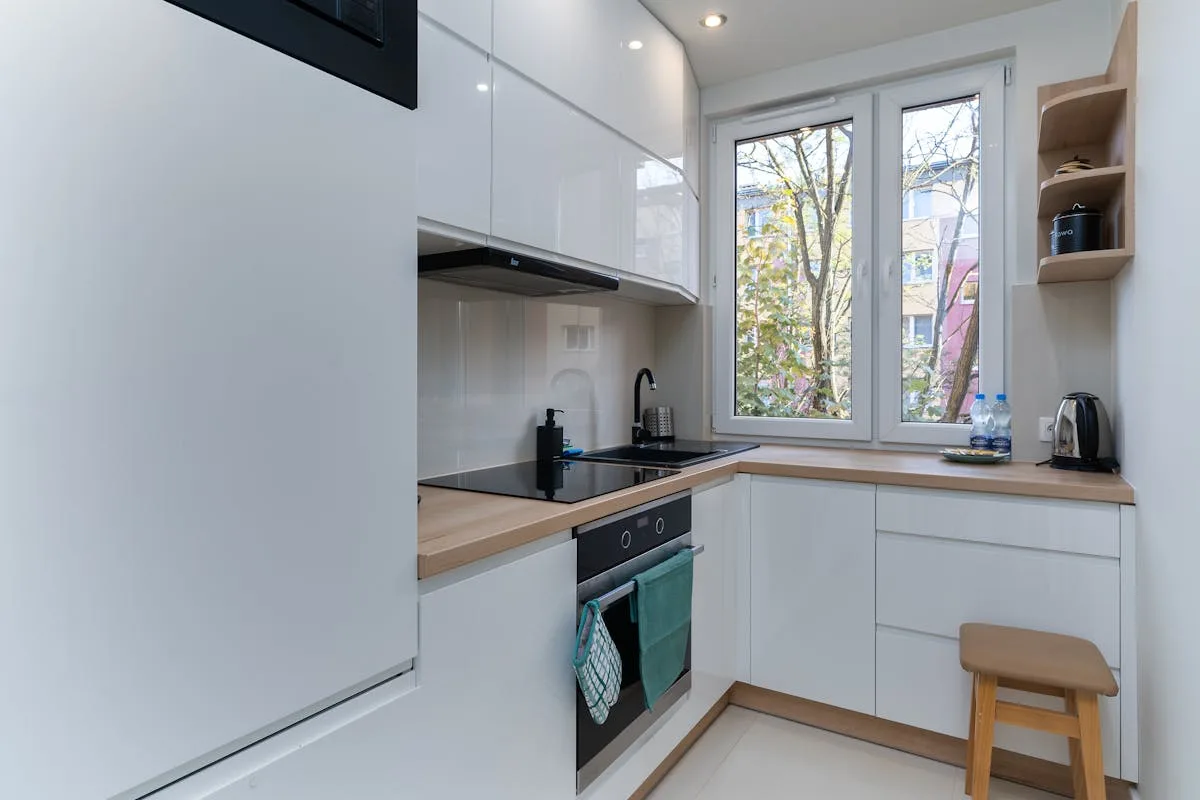
The kitchen needs a way to cook one real meal, store leftovers, and clean up, and not much more in week one. A small starter set beats a 30-piece block you’ll never fully use, especially when cabinet space is tight in a rental. Our first apartment kitchen essentials guide breaks down the small-kitchen version in full.
Start with these:
- A basic cookware set. One small pot, one larger pot, and a non-stick skillet cover most cooking. A nesting set saves cabinet space, which matters in a small kitchen. Check current price on Amazon.
- One good chef’s knife and a cutting board. A single sharp knife does more than a cheap block of dull ones.
- A starter set of dishes, bowls, and mugs. Buy for two to four people even if you live alone, so you’re covered when someone visits.
- Basic utensils: a spatula, a wooden spoon, a can opener, a peeler, measuring cups.
- Food storage containers. Glass lasts longer and goes microwave to fridge without staining or warping.
- Dish soap, a sponge, a drying rack, and dish towels.
Renter-smart kitchen upgrades that come off clean:
- An over-the-door pantry organizer turns the back of a cabinet or closet door into spice and snack storage, with zero drilling. Check current price on Amazon.
- Adhesive or magnetic spice racks keep counters clear in a tiny kitchen.
- Peel-and-stick backsplash hides a dated or stained wall behind the stove and peels off when you move. We cover this in our guide to peel-and-stick backsplash for renters.
For the full small-kitchen breakdown, see our first apartment kitchen essentials guide.
Bathroom essentials
The bathroom needs storage, since most rental bathrooms have almost none, plus the daily basics. The trick for renters is adding storage without drilling, using tension rods, over-the-toilet shelving, and adhesive hooks that all come off clean.
The basics:
- A shower curtain, liner, and rings (skip this only if you have a glass door).
- Bath towels, hand towels, and a bath mat. Two bath towels per person is enough to start.
- A bath caddy or shower shelf to hold shampoo and soap off the tub floor.
- A toilet brush, plunger, and trash can. Unglamorous, but you’ll want the plunger before you need it.
- A basic first-aid kit. Cheap, easy to forget, and exactly what you want on hand the one time you don’t have it.
Renter-smart bathroom upgrades:
- A tension shower caddy or over-the-toilet shelf adds storage with no holes. Check current price on Amazon.
- Command hooks and adhesive organizers hold towels and robes on the back of the door.
- Peel-and-stick floor tile covers an ugly rental floor and lifts off when you leave. More in our renter-friendly bathroom essentials guide.
Bedroom essentials
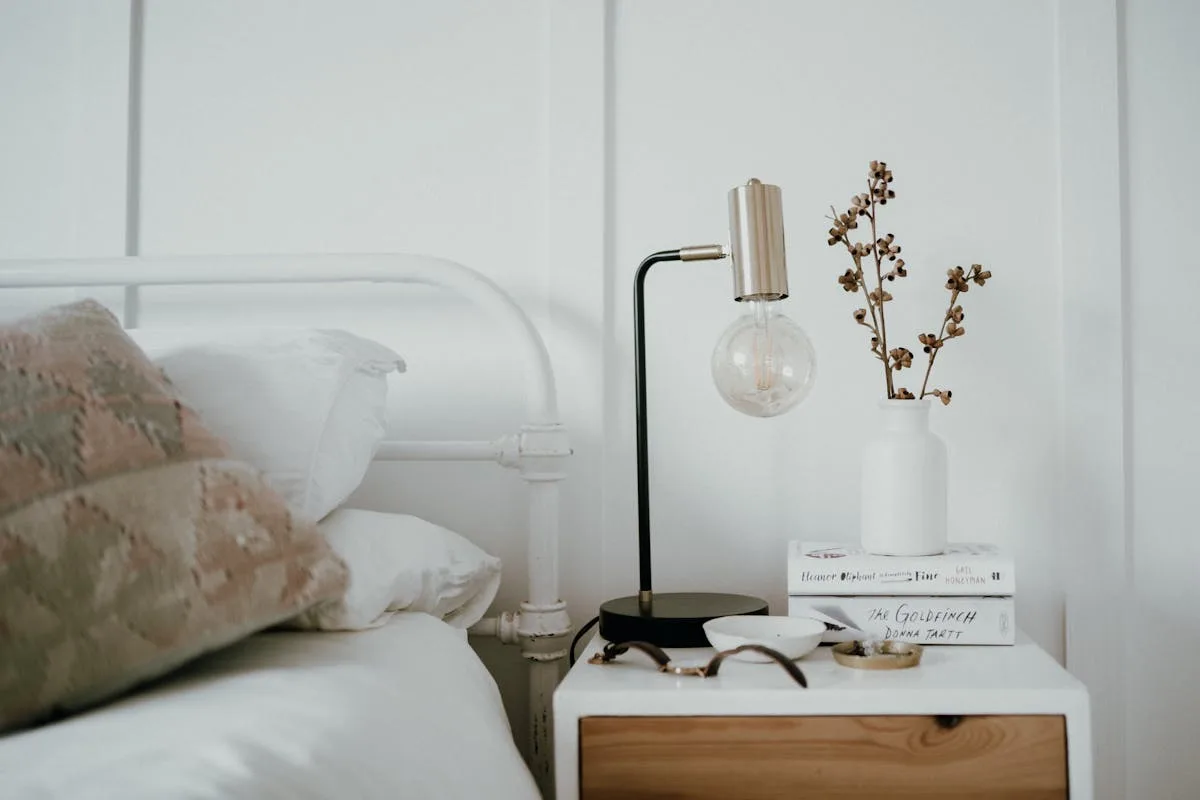
The bedroom is the one room where we tell you to spend on quality up front: a real mattress is worth it because you’ll spend a third of your life on it. Everything else in the room, from the frame to the nightstand, can be secondhand or budget without you noticing the difference.
The basics:
- A mattress. This is the one item we recommend buying new. A boxed foam mattress like a Zinus or Tuft & Needle ships to your door and sets up in minutes, which beats wrestling a used one up the stairs. Expect to spend roughly $200 to $900 for a quality queen, depending on the brand.
- A bed frame, ideally with storage. A frame with drawers underneath replaces a dresser in a small room. A simple metal frame works fine if you’re on a budget.
- Sheets, a pillow or two, and a comforter or duvet. Buy one spare set of sheets so you’re not doing laundry the same day you strip the bed.
- Blackout curtains. Hang them on a tension rod instead of drilling brackets, so you keep the deposit and take them with you.
- A nightstand and a lamp. This is a great secondhand buy.
Renter-smart bedroom upgrades:
- A storage ottoman or bins under the bed add hidden storage in a room with no closet space.
- Stick-on or plug-in wall sconces free up the nightstand without any wiring.
If you’re keeping it minimal, our minimalist first apartment essentials list strips this down to the true non-negotiables.
Living room essentials
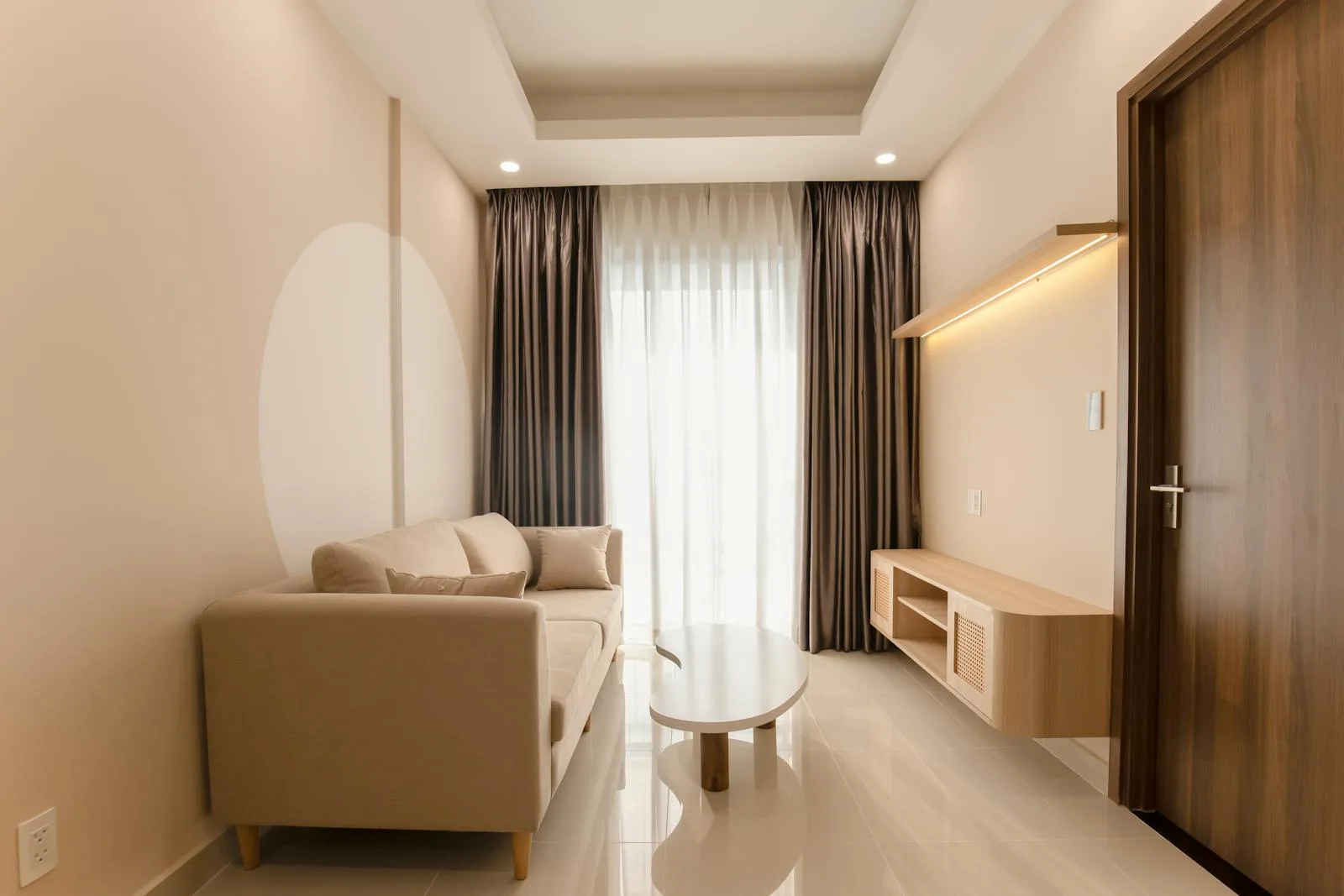
The living room can wait the longest, so start with one comfortable place to sit and add the rest over your first month. As a renter in a small space, the smart move is apartment-sized, multi-use furniture that fits through the door and moves with you.
The basics:
- Somewhere to sit. An apartment-size sofa or a loveseat fits small spaces where a full sectional won’t. The Article Sven at 72 inches works in studios under 500 square feet, and pieces in that range usually run around $1,000 to $1,500. A futon or a pair of chairs is a fine budget start. See current options.
- A coffee table or a storage ottoman. A storage ottoman doubles as a footrest, a coffee table with a tray on top, and a place to hide blankets, which is three jobs in one piece for a small room.
- Lighting you don’t have to hardwire. A floor lamp or plug-in wall sconces add warm light without an electrician or a single screw. Check current price on Amazon.
- A rug to define the space and warm up cold rental floors.
For the full breakdown, see our first apartment living room essentials guide, and for the look itself, our renter-friendly decor ideas.
Cleaning supplies and tools
You’ll need cleaning supplies before your first night and a small tool kit within the first week. Skipping these is the fastest way to lose part of your deposit, since landlords expect the place returned as clean as you got it.
The deposit truth: Most renters lose money at move-out to cleaning, not damage. A $30 set of basic supplies and one good scrub on your last day is the cheapest deposit insurance you will ever buy.
The cleaning basics:
- An all-purpose cleaner, dish soap, and a glass cleaner.
- A broom and dustpan, or a compact stick vacuum if you have rugs or carpet. A cordless stick vacuum stores in a closet and skips the bulk of a full upright. Check current price on Amazon.
- A mop and bucket for hard floors.
- Trash bags, paper towels, and a plunger (yes, again, keep one in each bathroom).
- A laundry basket and detergent.
The starter tool kit:
- A basic tool set with a hammer, screwdrivers, pliers, a tape measure, and a level handles furniture assembly and hanging things. Check current price on Amazon.
- A drill is optional for renters, but it makes flat-pack furniture far less painful.
- Command strips and adhesive hooks let you hang art and organizers without putting a hole in the wall.
- A surge protector and a couple of extension cords, since first apartments never have enough outlets in the right places.
Entryway essentials
The entryway needs a spot to drop keys, hang a coat, and leave your shoes, even if it’s just a corner by the door. In a small rental this is about adding function to a tiny space without drilling, so lean on over-the-door and freestanding pieces.
- Over-the-door hooks or a freestanding coat rack for coats and bags, no wall damage.
- A small shoe rack or basket to keep shoes from piling up.
- A lean-against-the-wall mirror that doubles as a last-look mirror and makes the space feel bigger, with nothing to mount.
- A small tray or bowl for keys, mail, and the things you empty from your pockets.
Non-negotiables vs nice-to-haves
This split is the part that actually protects your budget. Week one is when the urge to buy everything at once is strongest, and a clear need-now line is what holds it back.
| Need now (first night/week) | Nice later (first month or two) |
|---|---|
| Mattress and bedding | Sofa or extra seating |
| Basic cookware, a knife, dishes | Matching dinnerware, small appliances |
| Shower curtain, towels, toilet brush | Bathroom decor, extra storage baskets |
| Cleaning supplies and trash bags | Stick vacuum upgrade |
| Toilet paper, soap, light bulbs | Coffee table, rug, art |
| A lamp or two | Plant stands, throw pillows, curtains in every room |
If a power outage or a surprise guest would be a real problem without it, it’s a need now. If it only makes the place look more finished, it’s a nice later.
What it actually costs to set up a first apartment
A bare-bones first apartment runs about $1,000 to $1,500 if you buy your mattress new and source the rest secondhand. A comfortable mid-range setup lands around $2,500 to $3,500, and a mostly-new build climbs to $5,000 or more. Here is roughly where the money goes.
| Setup | Rough total | What it covers |
|---|---|---|
| Bare-bones (mostly secondhand) | $1,000 to $1,500 | New mattress, used frame and furniture, budget kitchen and cleaning basics |
| Comfortable (mix of new and used) | $2,500 to $3,500 | New mattress plus a sofa or futon, some new kitchen and bath, used storage and tables |
| Mostly new | $5,000+ | New mattress, sofa, bed frame, full kitchen, and decor from day one |
The biggest swing by far is furniture. Buy the sofa, dresser, and side tables secondhand and you can knock close to a thousand dollars off the total, and once it is in your space nobody can tell. The next section is where most of that overspending actually happens, so read it before you open a single shopping tab.
What NOT to buy right away
Skip the big, expensive, and oversized purchases until you’ve actually lived in the space for a few weeks. The most common first apartment money mistakes are buying furniture that’s too big, stocking up on gadgets you’ll never use, and replacing things your landlord already provides.
Hold off on these:
- A full-size sectional or oversized furniture. Measure your space and your doorways first. A sofa that won’t fit through the door is an expensive return.
- Single-use kitchen gadgets. The quesadilla maker, the egg cooker, the electric wine opener. A pan does all of it.
- A full set of matching everything. You don’t need eight place settings on day one. Buy as you go.
- Anything your unit already includes. Many rentals come with a fridge, stove, microwave, or even a washer and dryer. Confirm what’s provided before you buy.
- Decor before you understand the light and layout. Live in the space first, then buy art and rugs that actually fit the room.
When you are ready to decorate, do it the renter way with our no-damage decor ideas, so nothing you add costs you the deposit.
Smart ways to save on a first apartment
The biggest savings come from buying secondhand for everything except your mattress. Furniture, especially solid-wood dressers, side tables, and frames, is sold cheaply or given away constantly by people moving, and a wipe-down makes most of it look new.
Where to look:
- Facebook Marketplace and OfferUp for furniture, often free or near-free from people moving out.
- Buy Nothing groups on Facebook, where neighbors give away exactly the stuff you need.
- Thrift stores and estate sales for dishes, lamps, frames, and small decor.
- The end of the month, when leases turn over and listings flood with people unloading furniture fast.
A few buying rules that save money without sacrificing much:
- Buy new: your mattress and your pillows. Hygiene and sleep are worth it.
- Buy used: dressers, nightstands, coffee tables, bookshelves, lamps, frames. Solid wood especially.
- Buy budget-new: cookware, towels, and bedding, where a mid-range set lasts years for not much money.
For the priced-out, tiered version of this, our first apartment on a budget guide breaks spending into week-one, month-one, and can-wait tiers.
The first apartment things people always forget
These are the items that never make the big lists and always get bought in a panic during week one. Skim them before your first shopping trip and you save yourself a late-night run to the store on your first night in a new place.
- A shower curtain liner. People buy the curtain and forget the liner, and the bathroom floor pays for it.
- A trash can for every room, not just the kitchen. The bathroom and bedroom cans get overlooked every single time.
- A plunger. Buy it before you need it, because the night you need it, no store trip is fun.
- Extension cords and a surge protector. Your outlets are never where your furniture wants them to be.
- Light bulbs. Plenty of rentals hand you fixtures with dead or missing bulbs, and you find out after dark on day one.
- A can opener and a few basic tools. More people than you would think move in and cannot open a can of soup.
- A first-aid kit and a fire extinguisher. Cheap, easy to skip, and the exact things you only miss at the worst moment.
- Hand soap, dish soap, and paper towels for the first day, before you do the big shop.
These are the items we flagged back at the top, the ones almost nobody remembers until the first night. The good news: every one of them is already on the printable below.
Free printable first apartment checklist
Want this whole list on one page you can carry to the store and check off as you go? We turned every item above into a free printable first apartment checklist PDF, organized by room with the need-now items flagged.
Get the free printable checklist. Download the room-by-room PDF here, no email required. Print it and shop.
It’s the same list, minus the explanations, so you can shop without scrolling.
Frequently asked questions
How much does it cost to furnish a first apartment?
Furnishing a first apartment usually costs $1,500 to $5,000, depending on how much you buy new versus secondhand. You can do a basic setup for well under $2,000 by buying your mattress new and sourcing furniture from Facebook Marketplace, thrift stores, and Buy Nothing groups.
What should I buy first when moving into an apartment?
Buy your sleep, eat, and clean essentials first: a mattress and bedding, basic cookware and dishes, a shower curtain and towels, and cleaning supplies. These cover your first night and week. Add a sofa, a coffee table, and decor over your first month once the essentials are handled.
What should you not buy for a first apartment?
Skip oversized furniture before measuring your doorways, single-use kitchen gadgets, full matching sets you don’t need yet, and anything your unit already provides like a fridge or microwave. Wait on decor until you’ve lived in the space and understand its light and layout.
Can you decorate a rental without losing your deposit?
Yes. Use removable, no-damage products: Command hooks and picture-hanging strips instead of nails, tension rods instead of drilled curtain brackets, and peel-and-stick wallpaper, tile, or backsplash that lifts off clean when you move. These let you personalize a rental and still get your full deposit back.
What are the absolute essentials for a first apartment?
The absolute essentials are a mattress and bedding, basic cookware and a knife, dishes and utensils, a shower curtain and towels, toilet paper and soap, cleaning supplies, and a couple of lamps. With those covered you can live comfortably from night one and add everything else gradually.
Do I need a couch right away?
No. A couch is one of the items you can wait on. Many renters start with a futon, a pair of chairs, or even floor cushions, then buy an apartment-size sofa once they’ve measured the room and saved up. Seating is comfort, not a first-night essential.
Your first apartment, sorted
Your first apartment has to work on day one. Looking finished can wait. Cover the sleep, eat, and clean basics first, buy almost everything else secondhand, and keep every upgrade removable so the place feels like yours without costing the deposit.
Grab the free printable checklist above, then keep going: start with our guide to what to buy first for the spending order, handle the logistics with our apartment move-in checklist, and when you’re ready to make it pretty, head to our renter-friendly decor ideas. If friends ask what to bring to the housewarming, our housewarming gift basket ideas have a basket for every kind of new place. Welcome home.