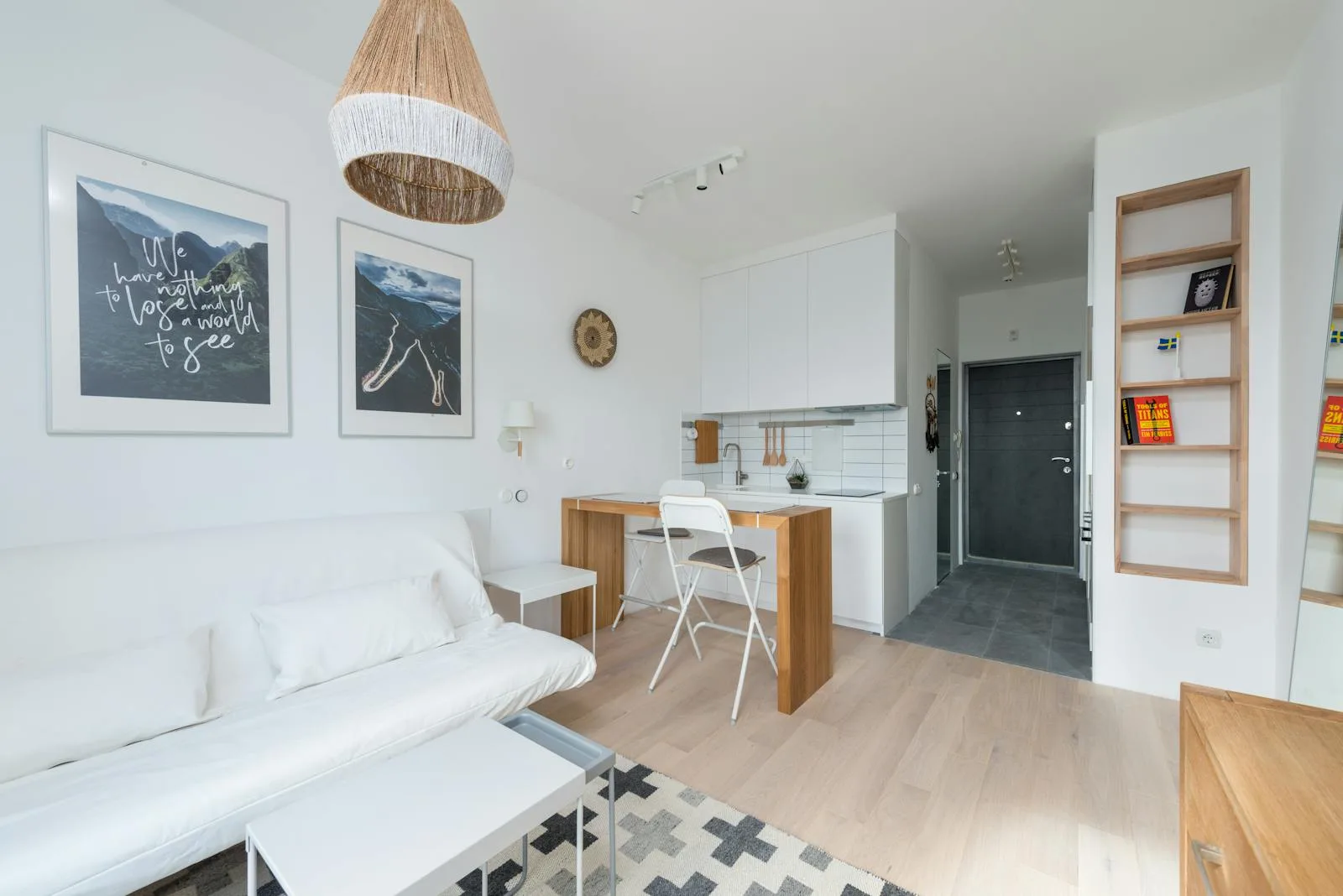
What to Buy First for Your First Apartment (A Smart Buying Order on Any Budget)
You have keys, an empty apartment, and a bank balance that looks a lot smaller than it did last week. What to buy for your first apartment is the easy question. What to buy first is the one that matters, because the order you spend in decides whether week one feels like camping or like home.
This guide gives you that order. We start with the things you need to sleep, eat, and stay clean, move to the comfort items that can wait a few weeks, and finish with the stuff you should not buy yet at all. Everything is sized for small rentals and chosen so you can take it with you when you move.
The short version: Spend week one on a bed, a basic kitchen, and cleaning supplies. Add seating, storage, and a rug over your first month. Hold off on decor, matching sets, and gadgets until you know the space. Below you will also find what a $500, $1,500, and $3,000 start actually buys, and the few places where spending more is worth it.
What should you buy first for a first apartment?
Buy what you need to sleep, eat, and clean first: a mattress and bedding, a small set of cookware and dishes, and basic cleaning supplies. Those three get you through your first night and first week. Everything after, a sofa, wall art, the extras, is comfort you add gradually once the essentials are handled.
If you want the full room-by-room version, our ultimate first apartment checklist lists every item by room. This guide is about the order and the money, so you spend in the right sequence instead of all at once.
Before you spend a dollar
Three quick checks before you buy anything will change how much you actually need to spend.
- Check what is included. Many rentals come with a fridge, stove, and microwave, and some include a washer and dryer. Confirm before you buy a single appliance.
- Measure before you commit. Write down your room dimensions and, just as important, your doorway and hallway widths. A couch that will not fit through the door is an expensive lesson.
- Set a month-one number. Decide what you can spend in the first month and split it: most goes to the bed and kitchen, a little to cleaning, and whatever is left to comfort.
The one rule that saves the most money: buy in order, not all at once. You do not need a finished apartment in week one. You need a functioning one, and the rest can fill in over your first few paychecks.
Week 1: sleep, eat, and clean
Week one is about three jobs only: a good night of sleep, the ability to make a meal, and the supplies to keep the place clean. Get these and you can live comfortably while everything else waits.
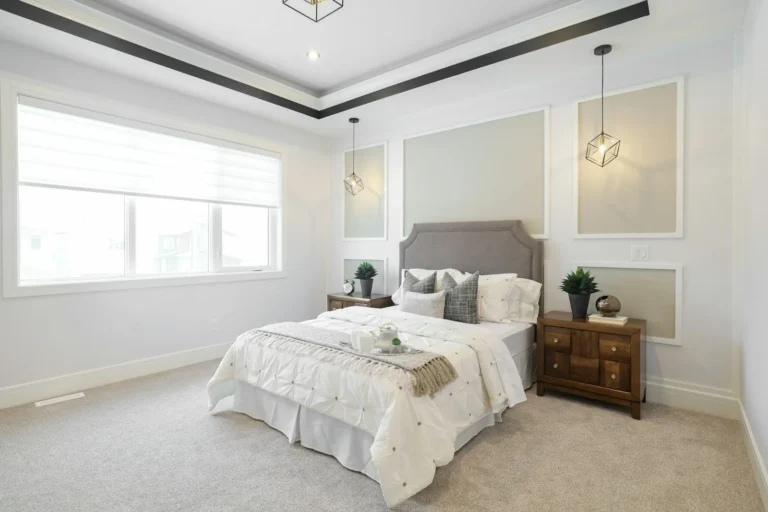
- A mattress. This is the one thing we tell renters to buy new. A boxed foam mattress like a Zinus or Tuft & Needle ships to your door and sets up in minutes, and a quality queen runs roughly $200 to $900 depending on the brand. Add a simple bed frame, a pillow, and one set of sheets.
- A small cookware set and one good knife. A pot, a larger pot, and a non-stick skillet handle almost everything. A nesting set saves cabinet space in a small kitchen. Check current price on Amazon.
- Basic dishes and utensils. A few plates, bowls, mugs, and a spatula, spoon, and can opener. Buy for two to four people even if you live alone.
- Cleaning supplies. An all-purpose cleaner, dish soap, trash bags, paper towels, and a broom or a small stick vacuum if you have carpet.
For the small-kitchen version of this, see our first apartment kitchen essentials guide.
Month 1: comfort and function
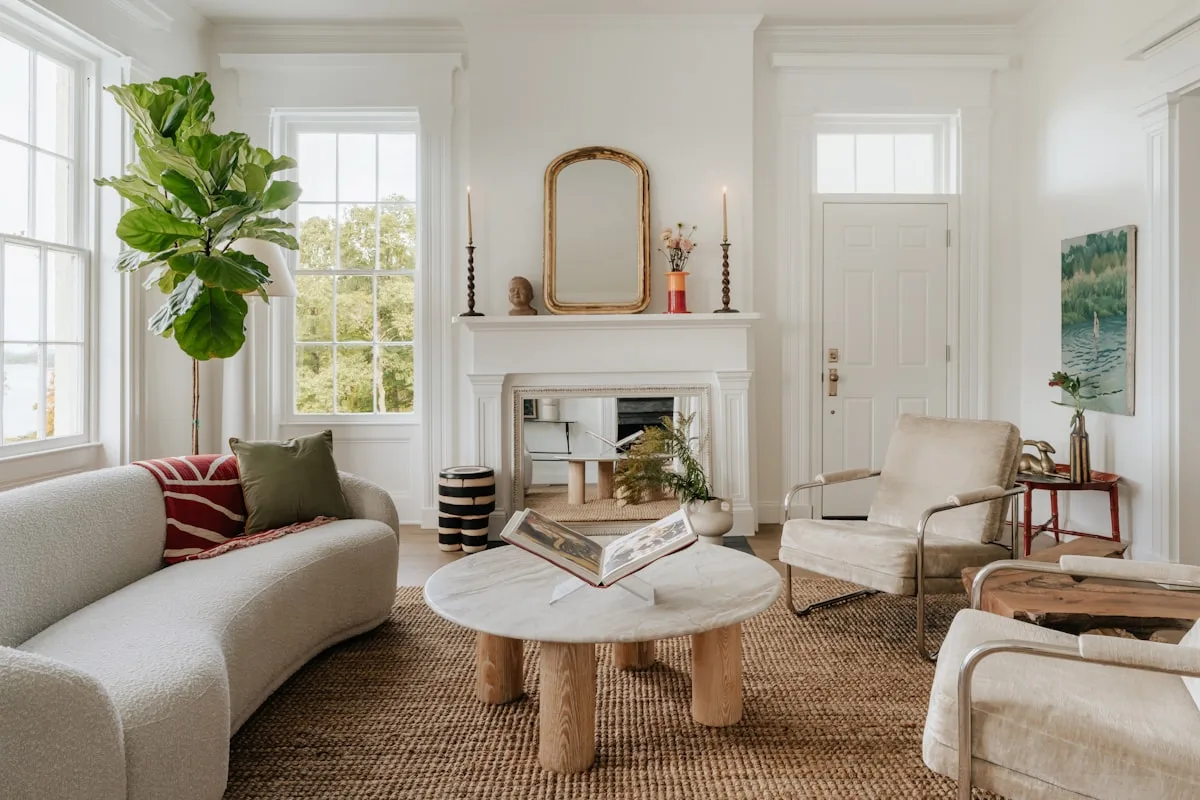
Once you can sleep and eat, the second wave is about comfort and making the place work day to day. Spread these over your first month as the budget allows, and lean on secondhand for anything that is not a mattress.
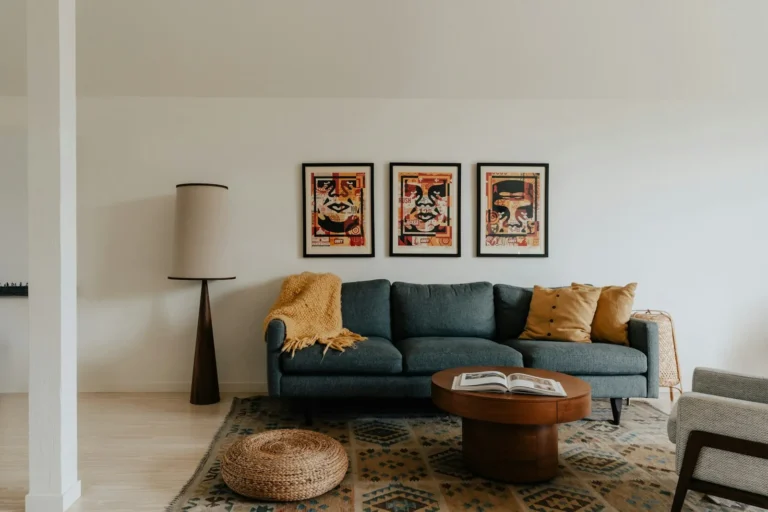
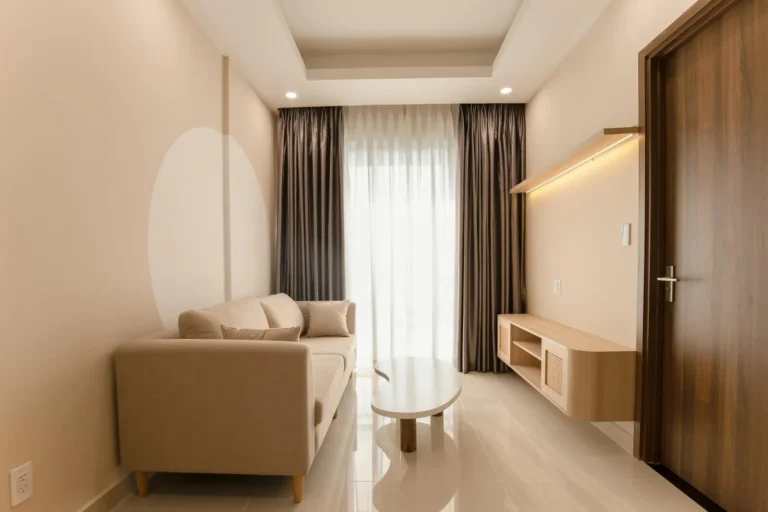
- Somewhere to sit. An apartment-size sofa, a loveseat, or even a futon. A 72-inch sofa fits most small living rooms where a sectional will not, and pieces in that range usually run around $1,000 to $1,500 new, or far less secondhand.
- Storage you can take with you. A storage ottoman, a few bins, or a dresser. Hidden storage matters most in a rental with tiny closets.
- A rug and lighting. A rug warms up cold rental floors and defines a space, and a plug-in lamp or two adds light without any wiring.
- The rest of the kitchen. Food storage containers, a few small appliances you actually use, and a drying rack.
What can wait (do not rush these)
Hold off on anything that only makes the place look finished, plus anything big you have not measured for. These are the purchases first-timers regret most, usually because they bought too fast.
- Decor. Art, throw pillows, and plants are tempting, but live in the space first so you buy pieces that actually fit the light and layout. When you are ready, our renter-friendly decor ideas keep it no-damage.
- Matching everything. You do not need eight place settings or a full bedroom set on day one. Add as you go.
- Single-use gadgets. The quesadilla maker, the air fryer you will use twice, the electric wine opener. A pan does most of it.
- A second TV, a guest bed, an office setup. Real needs for some people, but rarely week-one needs. Wait until you know how you use the space.
What a $500, $1,500, and $3,000 start actually buys
There is no single right budget for a first apartment, just a realistic one. Here is what each starting point covers if you buy your mattress new and source the rest secondhand.
| Budget | What it gets you |
|---|---|
| ~$500 | New budget mattress on the floor or a cheap frame, a starter cookware and dish set, basic cleaning supplies, and a lamp. Functional, no living room yet. |
| ~$1,500 | The above plus a secondhand sofa or futon, a dresser, a rug, blackout curtains, and a fuller kitchen. A comfortable, livable first month. |
| ~$3,000 | A new mattress and a new or lightly used sofa, most furniture covered, full kitchen, and a little left for decor. A nearly finished apartment from the start. |
Most renters land between the first two. Buy the bed new, get the furniture secondhand, and you can be genuinely comfortable for around $1,500. For the full cost breakdown by room, see the first apartment checklist.
Where to splurge and where to save
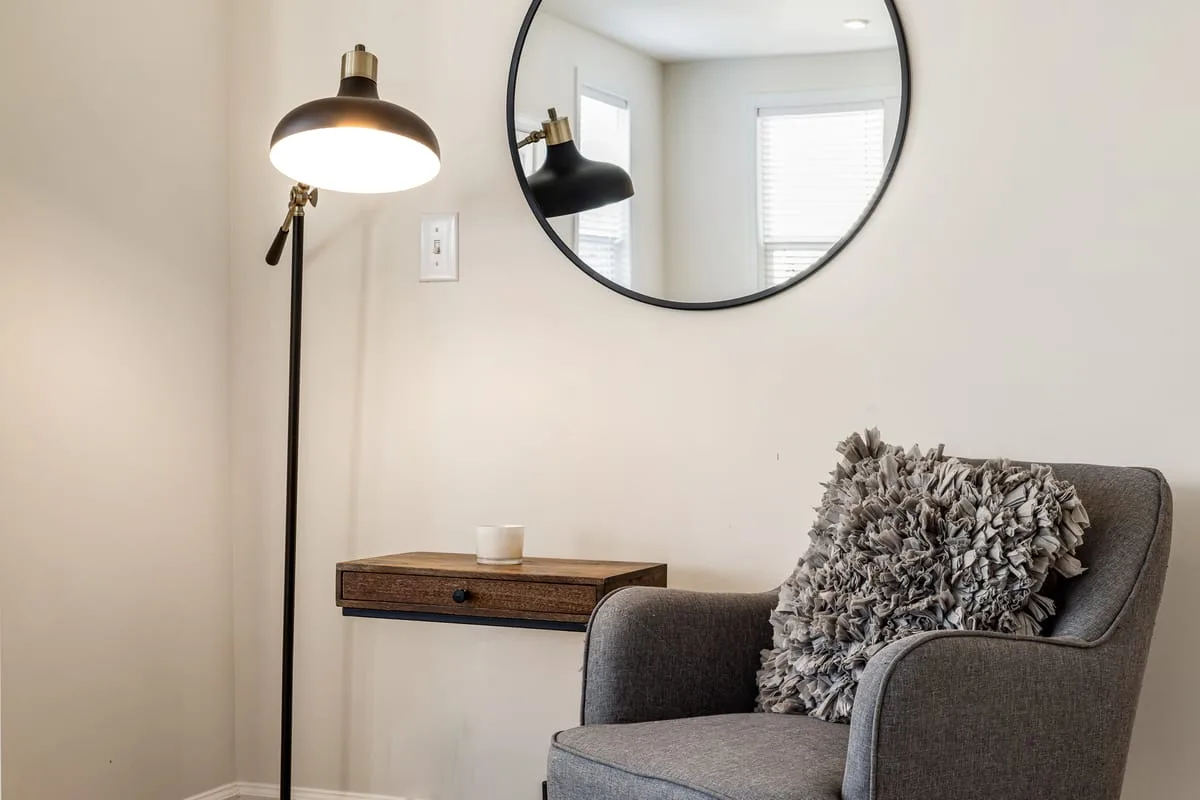
The smart move is to spend on the few things you use hardest and cut everywhere else. Splurge on sleep and the items you touch every day, and save on anything you can buy used without noticing.
- Splurge on: your mattress and pillows, one good chef’s knife, and a comfortable sofa if the budget reaches. These are daily-use, and the quality shows.
- Save on: dressers, nightstands, coffee tables, bookshelves, lamps, and frames. Solid-wood furniture sells cheaply secondhand and a wipe-down makes it look new.
- Buy budget-new: towels, bedding, and cookware, where a mid-range set lasts years for little money.
Renter rule: buy pieces you can take with you. Freestanding furniture, removable hooks, tension rods, and peel-and-stick all move to your next place and protect your deposit at this one. Skip anything that means drilling into a wall you do not own.
Frequently asked questions
What should I buy first when moving into an apartment?
Buy your sleep, eat, and clean essentials first: a mattress and bedding, a small set of cookware and dishes, and basic cleaning supplies. These cover your first night and week. Add seating, storage, and decor over your first month once the essentials are in place.
How much money should I have saved before furnishing a first apartment?
Plan for $1,000 to $1,500 for a comfortable basic setup if you buy your mattress new and source furniture secondhand. A mostly-new apartment runs $3,000 or more. Keep this separate from your move-in costs like the deposit and first month of rent.
In what order should I buy furniture for a first apartment?
Buy a bed first, then a place to sit, then storage, then tables and decor. Sleep is the only true day-one furniture need. Seating and storage come over the first month, and accent pieces like side tables and shelving can wait until you have lived in the space.
What should you not buy first for an apartment?
Do not start with decor, full matching sets, single-use gadgets, or any large furniture you have not measured for. These are the most common first apartment money mistakes. Wait until you know your space, then add them gradually.
Is it cheaper to buy furniture new or used for a first apartment?
Used is far cheaper for most furniture, often half price or free from people moving out on Facebook Marketplace and in Buy Nothing groups. Buy your mattress new for hygiene and sleep quality, and buy almost everything else, especially solid-wood pieces, secondhand.
Buy in the right order, and the rest follows
A first apartment does not come together in one shopping trip, and it should not. Cover sleep, food, and cleaning in week one, add comfort and storage over your first month, and let decor wait until the space tells you what it needs.
Start with the full first apartment checklist so nothing slips through, keep it lean with our minimalist first apartment essentials, and when you are ready to make it feel like yours, head to our renter-friendly decor ideas. And when friends ask what to bring to the housewarming, send them our housewarming gift ideas for small rentals.