Peel-and-Stick Wall Decals for Renters: 8 Picks That Look Like You Meant It (and Three That Read Cheap)
This post contains affiliate links. As an Amazon Associate I earn from qualifying purchases.
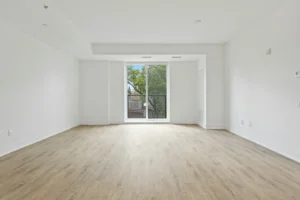
The wall above the crib in the room you turned into a nursery is the one keeping you up at night, and not because of the baby. It is six feet wide, painted developer-white, and the lease says no holes in the drywall. A framed print needs a hook. A canvas needs an anchor. A painted mural needs a security-deposit check that says goodbye to the bedroom-set fund. You searched for “wall decals” at 2 a.m. and now you are looking at thirty thousand listings ranging from a $4 Etsy quote sticker to an $80 jungle scene that ships from Ukraine, half of them claiming “premium vinyl” and the other half claiming “easy peel removal”.
Wall decals are the most renter-safe category in the peel-and-stick universe. The adhesive load is the lowest (small surface area, light vinyl), the install is the fastest (minutes, not hours), and the removal almost never pulls paint when the brand is real. A good decal turns a flat builder-grade wall into a room that looks decorated by someone who chose to be there. A bad decal lifts at the corners in three weeks, fades into the wall after a season of sun, and pulls a circle of paint off when you remove it to move.
Below are the eight I would actually order, the three categories I would not, and the install moves that decide whether the decal lives the full lease.
What “peel-and-stick wall decal” actually means
The phrase covers five product families. They all install the same way (peel a backing, press to the wall, smooth out air bubbles) and all promise damage-free removal, but the materials and the visual results are not interchangeable.
Cut-vinyl decals are the dominant category. Solid-color vinyl cut on a plotter, transferred to the wall via a paper transfer sheet, finished result is a flat solid-color shape that reads as painted-on. This is the category that includes quote decals, geometric patterns, animal silhouettes, and custom-cut shapes. Most Etsy listings, Cricut-made decals, and the WallPops-style retail packs all live here.
Printed full-color decals are vinyl carrier sheets with a photo or illustration printed directly on the vinyl. Visual is more like a sticker than like paint; the carrier sheet is what holds the printed art to the wall. RoomMates, Tempaper Decals, Wallums, and most licensed-character lines (Disney, Marvel, Star Wars, Pokemon) work this way. The category includes nursery scenes, large-format murals split across multiple sheets, and licensed-character installs.
3D foam decals are the category outlier. Pre-cut foam shapes (typically 3D letters, geometric blocks, or kid-room animal figures) with adhesive backing. The visual is dimensional rather than flat; the install is closer to a wall panel than to a decal. Worth knowing about for kid rooms.
Mirror decals are mirrored acrylic sheets cut into decorative shapes (circles, hexagons, geometric patterns) with adhesive backing. Visual is functional (actually reflects) rather than decorative. Useful in small rooms where a hung mirror would be the right addition if the lease allowed nails.
Mural decals are large-format prints sized to cover a full wall in 4 to 12 panels. Closer in install effort to peel-and-stick wallpaper than to a decal, but sold under the decal category. If a full-wall install is what you actually want, the best peel-and-stick wallpaper roundup covers the wallpaper alternatives, which are typically a better fit for a full-wall job than a mural decal.
Three specs that separate the picks from the duds
Vinyl thickness. Premium cut-vinyl runs at approximately 3 mil thickness with a low-tack water-based removable adhesive (Oracal 631 is the industry standard for indoor wall decals because it removes clean from interior paint). Cheap unbranded vinyl runs 1 to 2 mil with rubber adhesive, often labeled “premium” with no further detail. The 1 to 2 mil decals tear during transfer, lift at corners within weeks, and the rubber adhesive frequently pulls paint on removal. The honest test is the listing detail: a brand that names Oracal 631 (or a comparable removable indoor wall vinyl with a published spec sheet) is the brand you want.
Print durability matters only for printed full-color decals. The print sits on the vinyl surface and is what fades in direct sun. Premium brands print on solvent or eco-solvent presses and laminate the print with a UV-protective film; cheap brands print on a desktop inkjet with no laminate. The 18-month fade test is the difference: branded printed decals hold color through a season of south-facing window light; cheap printed decals shift visibly within four to six months.
Adhesive removability. Real-manufacturer cut-vinyl runs 24 to 36 months on cured paint, then warms and peels clean. Printed decals run shorter (12 to 24 months) because the printed layer absorbs heat differently than solid vinyl, accelerating the adhesive aging on south-facing walls. Brands that publish the expected install life are publishing reality; brands that say “lasts for years” with no number are guessing.
The 8 picks

What to watch: the printed shapes are individual cuts laid out on a sheet, not a continuous mural. If the photo shows a continuous landscape, that is a mural product (full-color with a single visual across multiple panels), not a RoomMates scene. The two install differently; read the listing before ordering. RoomMates also ships smaller 24- to 40-piece decal packs at $15 to $25 for testing the brand before a full scene install.
What to watch: cut-vinyl on lightly textured walls (eggshell or light orange-peel paint) loses some of the fine detail on serif fonts because the vinyl does not bridge into the texture valleys cleanly. Sans-serif fonts hold up better on textured walls; serif fonts are for smooth drywall. Good Etsy shops will warn you in the listing if a font is texture-sensitive; if the listing does not say, message the shop before ordering.
What to watch: the foam absorbs light enough that the letters do not glare under overhead lighting (an advantage over printed letter decals that do), but cheap thin EVA craft-foam tears during install. Mid-weight foam in the listing photo looks substantial; thin foam looks like party-store letters. The price gap is small and the visual gap is large.
What to watch: the geometric shapes are small (most pieces under 4 inches across), and the install reads as decorative-but-small rather than as a focal statement. Pair with a larger focal element (a hung shelf, a furniture piece, or a single large decal) rather than relying on the geometric shapes alone to fill a wall.
What to watch: Wallums sits at roughly double the cut-vinyl tier and is closer to peel-and-stick wallpaper pricing than to standard decal pricing. For a hallway or guest bedroom, the cut-vinyl tier carries the install at a third of the price and you do not feel the difference at viewing distance. For the wall you look at every morning, the spread is what you notice.
What to watch: acrylic mirror scratches if cleaned with anything abrasive. A microfiber cloth and dilute glass cleaner is the only safe maintenance. The reflection is also slightly warmer in tone than glass (subtle, but visible side-by-side); for most renter installs this does not matter.
What to watch: kid character preferences change. A Paw Patrol install at age four is a Mario install at age six and a Pokemon install at age eight. RoomMates removes cleanly enough that you can re-decorate the same wall every 18 to 24 months, which makes the install more of a refresh cycle than a permanent piece of decor. Plan the budget accordingly.
What to watch: pick a font that reads cleanly at the size you are ordering. Most Etsy listings show the font at multiple sizes; if not, message the shop before ordering. A font that looks elegant at 12 inches can read as cramped or as too thin at 5 feet, and the only way to know is to see it at the right size before the cut.
What I would actually skip
Three product categories underperformed for me or for installs I followed, and I would not order any of them again.
The first is unbranded Amazon “premium vinyl wall stickers” under $10. These are usually 1 to 2 mil thin vinyl with rubber adhesive, often shipped from overseas with the order labeled “premium” with no specification. The vinyl tears during transfer (the transfer paper sticks to the vinyl more aggressively than the vinyl sticks to the wall, so the decal peels off the transfer paper instead of staying on the wall when you pull the transfer sheet away). When the install does succeed, the rubber adhesive lifts in three to six weeks and the print fades within a season of indirect sun. The price difference against a branded Etsy custom cut is roughly $15 to $30; the install difference separates a wall that looks decorated from a wall that looks like a sticker fell off.
The second is glow-in-the-dark decal kits. The category exists because kids ask for it, but the glow-in-the-dark vinyl is dimmer in person than the listing photos suggest (most kits charge under direct light and glow for 15 to 30 minutes before fading; the listing photos usually show enhanced exposure), and the vinyl base is thinner than a standard cut decal, so the install life is shorter. If the kid wants stars on the ceiling, the small-format glow stars sold at hobby and astronomy stores (the rigid plastic kind with PSA backing) are dimmer in person too but at least last for years and never claim to be wall art.
The third is temporary tattoo-style “stickable” decals sold as wall product. These are the thinnest tier of vinyl in the category (under 1 mil), designed as a craft sticker rather than as a wall product. The marketing photos show them on walls; the actual install is closer to a craft application than to a decal install, and the removability claim does not hold past the first season.
Where peel-and-stick wall decals actually pay off in a rental
Five rooms where the install math works.
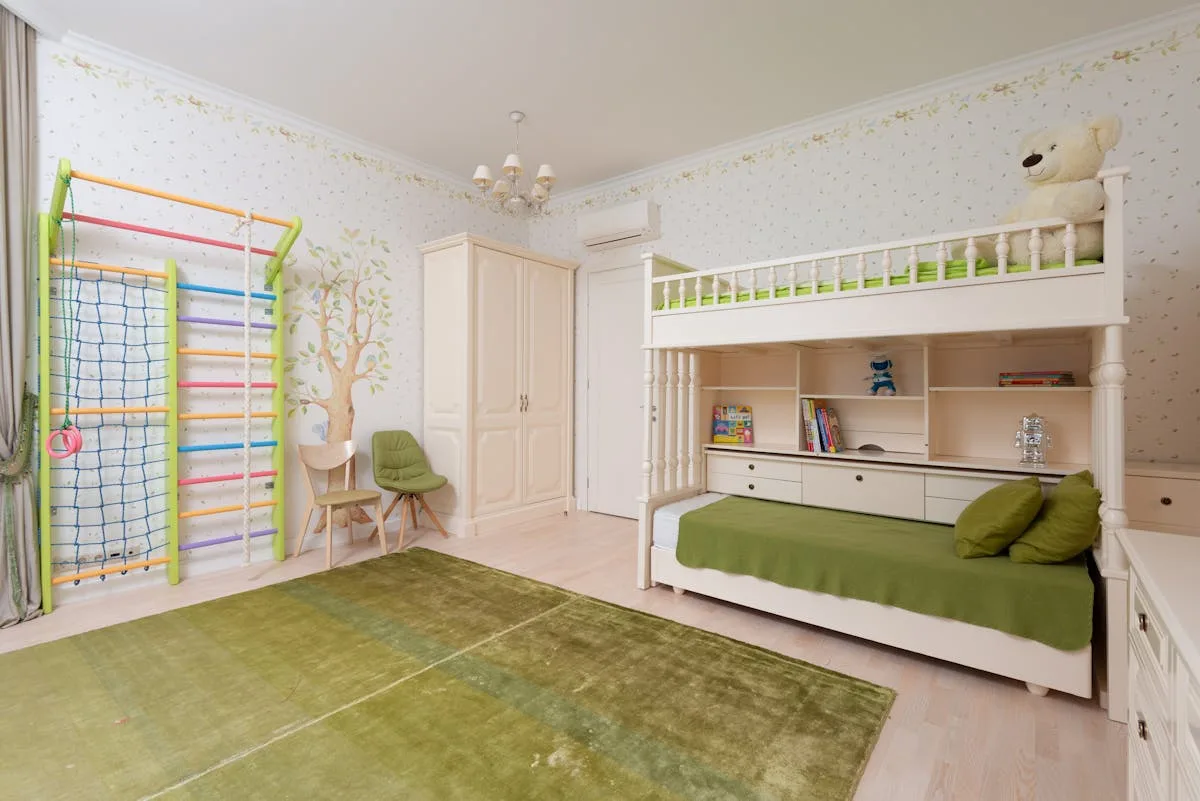
Nursery or kid room. The single most common decal install and the room where the category pays off most clearly. The wall above the crib, the wall above the kid-bed headboard, and the wall opposite the closet door are the three sub-targets. RoomMates scenes are the default; cut-vinyl name lettering is the alternative.
Home office behind the desk. The Zoom-visible wall behind your desk is the most viewed wall in most one-bedroom rentals. A single oversized cut-vinyl quote on this wall costs $40 to $80, takes 30 minutes to install, and changes the read of the room on every Zoom call for the next 18 months.
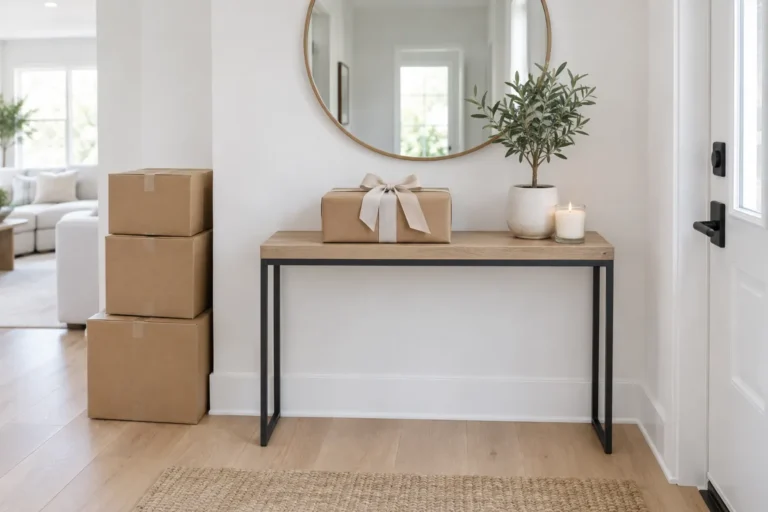
Entryway above a console. Most one-bedroom rentals have a narrow wall opposite the front door, often 3 to 5 feet wide. A single mirror decal or a single botanical decal on this wall lands at the right scale, costs $25 to $60, and gives the entryway a moment of intentional design without requiring a hung piece.
Bedroom accent above the headboard. The wall above the bed reads as a backdrop to the bed itself. A pattern decal install (geometric, botanical, or a single oversized indie piece from Wallums) on this wall works at a 4-by-7 foot scale; the bed and headboard cover the bottom, so the install effort goes to the visible top half.
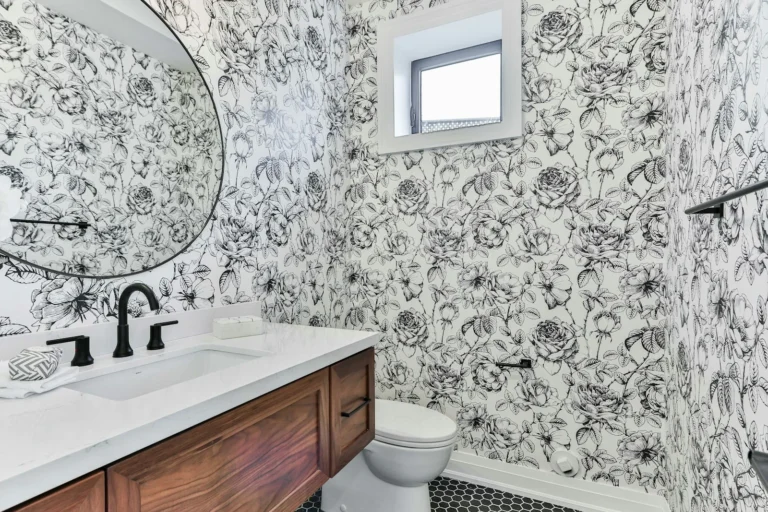
Bathroom mirror frame. The wall around the bathroom mirror takes a small geometric or botanical decal install at the same scale as a printed picture frame would. The humidity in a bathroom is hard on adhesive (most decals last 12 to 18 months in a bathroom versus 24 to 36 months in a dry room), but the install is small enough that a one-year refresh cycle is reasonable.
Install moves that protect your deposit
Clean the wall first. A dust-free, oil-free wall is the spec for any peel-and-stick install. Wipe the install area with a damp microfiber, let it dry fully (an hour minimum in normal humidity), then install.
Cure the paint at least thirty days before the install. Adhesive bonds to fully cured paint; day-old paint releases the adhesive on removal and brings the paint with it. This is the single most common failure mode for renter decal installs on a freshly painted wall.
Level the install. Decals look painted-on when they are level and look stuck-on when they are not. A level or a laser line takes two minutes; the alternative is a quote that reads as crooked in every photo for the next 18 months.
Smooth from the center outward. Cut-vinyl traps air bubbles when smoothed top-to-bottom; centerward-out releases the trapped air without creating ripples. For printed decals on a transfer sheet, the squeegee motion matters more than the direction.
Photograph the wall before and after the install. The before photo documents the wall condition for the move-out walkthrough. The after photo is good Instagram content and also doubles as a reference for re-creating the install at a future address.
Removal protocol for deposit safety
Warm each decal with a hairdryer on low for 20 to 30 seconds along the top edge, then peel slowly at a shallow angle (closer to flat against the wall than perpendicular). The warmth softens the PSA without overheating the wall.
If a decal resists at a corner, warm that corner for another 10 seconds rather than yanking. Cut-vinyl on cured paint, removed correctly, almost never pulls paint. The cases where it has happened in my experience involved either uncured paint (under thirty days) or unbranded rubber-adhesive vinyl.
If a small amount of adhesive residue is left, a Goo Gone wipe followed by a clean dry microfiber removes it without damage. Test on a hidden corner first; some flat and matte latex paints are sensitive to citrus solvents and can dull or develop shiny spots.
For printed decals at the end of their adhesive life (a 24-month install on a south-facing wall, for example), the removal can leave a faint ghost of the print on the wall paint. The ghost is a light shadow from where the decal blocked sun-aging of the paint underneath; it usually fades within a few weeks once the paint surface is back in the open. If the move-out walkthrough is sooner than that, a magic-eraser pass on the ghosted area lifts it without damaging the paint.
Frequently asked questions about peel-and-stick wall decals
Do peel-and-stick wall decals actually look painted-on?
Cut-vinyl decals on smooth drywall, installed level and squeegeed flat, read as painted-on from any normal viewing distance. Up close (within 18 inches), you can see the vinyl edge under raking light, but the visual is functionally indistinguishable from paint. Printed full-color decals read more like a sticker because the vinyl carrier is visible at the edges, but the print itself looks like a wall mural at viewing distance.
Will peel-and-stick wall decals damage the wall when I move out?
Branded vinyl on cured paint, removed with the warm-and-peel protocol, almost never pulls paint. The failure cases I have seen all involved either uncured paint (decal installed within 30 days of the wall being painted) or unbranded rubber-adhesive vinyl. The right brand and the right cure time together drop the deposit-charge risk to near zero. Document the wall condition with photos before the install and you have evidence either way.
How long do peel-and-stick wall decals last?
Cut-vinyl from a branded manufacturer (Oracal 631 or equivalent) holds for 24 to 36 months on a dry interior wall. Printed full-color decals hold for 18 to 24 months because the printed layer ages the adhesive faster. South-facing walls cut the adhesive life by about 30 percent because of UV exposure. Bathrooms and kitchens cut it further because of humidity and grease cycles. For a one-year lease renewal cycle, all of these last fine; for a five-year install, plan to refresh once.
Can I reuse a peel-and-stick wall decal at a new apartment?
Cut-vinyl decals are functionally single-use. The vinyl can be peeled off the wall, but the adhesive integrity does not survive a re-install on a new surface, and the transfer paper that came with the decal is gone after the first install. Printed full-color decals are the same: the carrier sheet does not re-laminate cleanly after a peel. If you want a decal that follows you across rentals, the right move is to photograph the install before move-out and re-order from the same shop at the next apartment.
What is the cheapest wall to decorate with decals?
A single cut-vinyl quote install (single-color sans-serif text, 3 to 4 feet wide) lands at $25 to $50 all in, including the decal and a single roll of painter’s tape for the install grid. A nursery-scene install with a RoomMates kit runs $25 to $70 and reads as a full design moment in the room. A geometric pattern accent (a WallPops pack) lands around $15 to $25 and works in a kid room or office corner. The cheapest renter-decor moves in the category are smaller than the listings make them look.
For the wall above the crib in the nursery, RoomMates is the right call; for the wall behind the desk on every Zoom call, a single oversized Etsy quote is the right call. If the room you are upgrading is a kid room, the peel-and-stick wallpaper ideas guide covers the next step up (pattern across a whole wall instead of a single decal), and the peel-and-stick wall panels roundup covers the dimensional upgrade if the wall calls for 3D rather than flat. For the wall above the toilet in the bathroom, the peel-and-stick wallpaper for bathrooms review is the right adjacent piece.
The developer-white wall above the crib does not have to stay developer-white for the whole lease. Pick the category by the visual you are after, the brand by the vinyl spec, and the wall by how often you will look at it. The decal install in a nursery is one of the rare renter moves that is genuinely fast, genuinely cheap, and genuinely reversible. The deposit comes back. The photos stay on the phone.