This post contains affiliate links. As an Amazon Associate I earn from qualifying purchases.
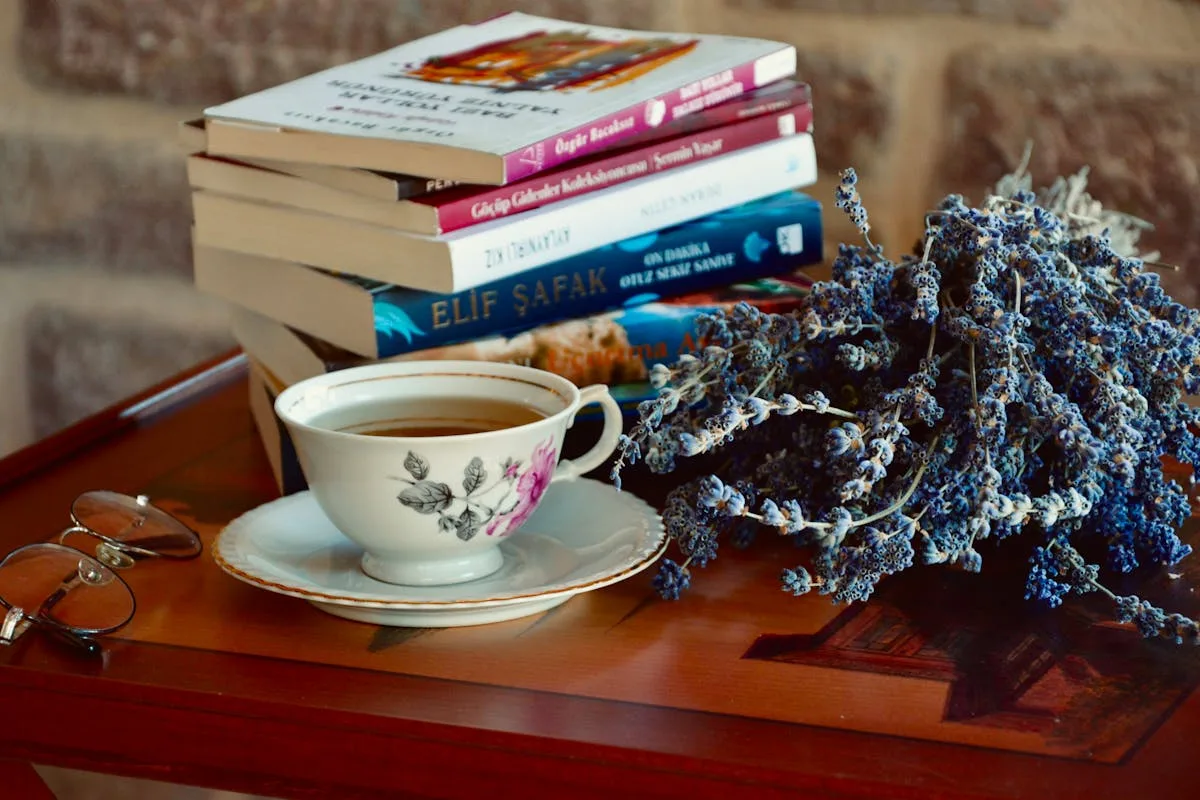
You have the teacup. The chipped one with the faded rosebuds, found for a dollar at a thrift store, the single object in the apartment that feels like the life you are picturing. It sits on a laminate counter, under a light that hums, next to a window with a clear view of the brick wall across the alley. Cottagecore promises meadows and hand-baked bread and a kitchen garden, and what you have is a fourth-floor walk-up and a fire escape that the landlord says is not for sitting on.
Here is the thing the meadow photos leave out: cottagecore was never about owning a cottage. It is a feeling built from old, soft, handmade, and slightly overgrown things, and every one of those is portable. You can put a convincing version of it into a rented box with no garden, no land, and no permission to paint, because the whole look runs on textiles, thrifted objects, and a few plants rather than on a single acre of England.
This is how to do cottagecore in a small apartment without it tipping into costume, and without losing your deposit to a floral wall.
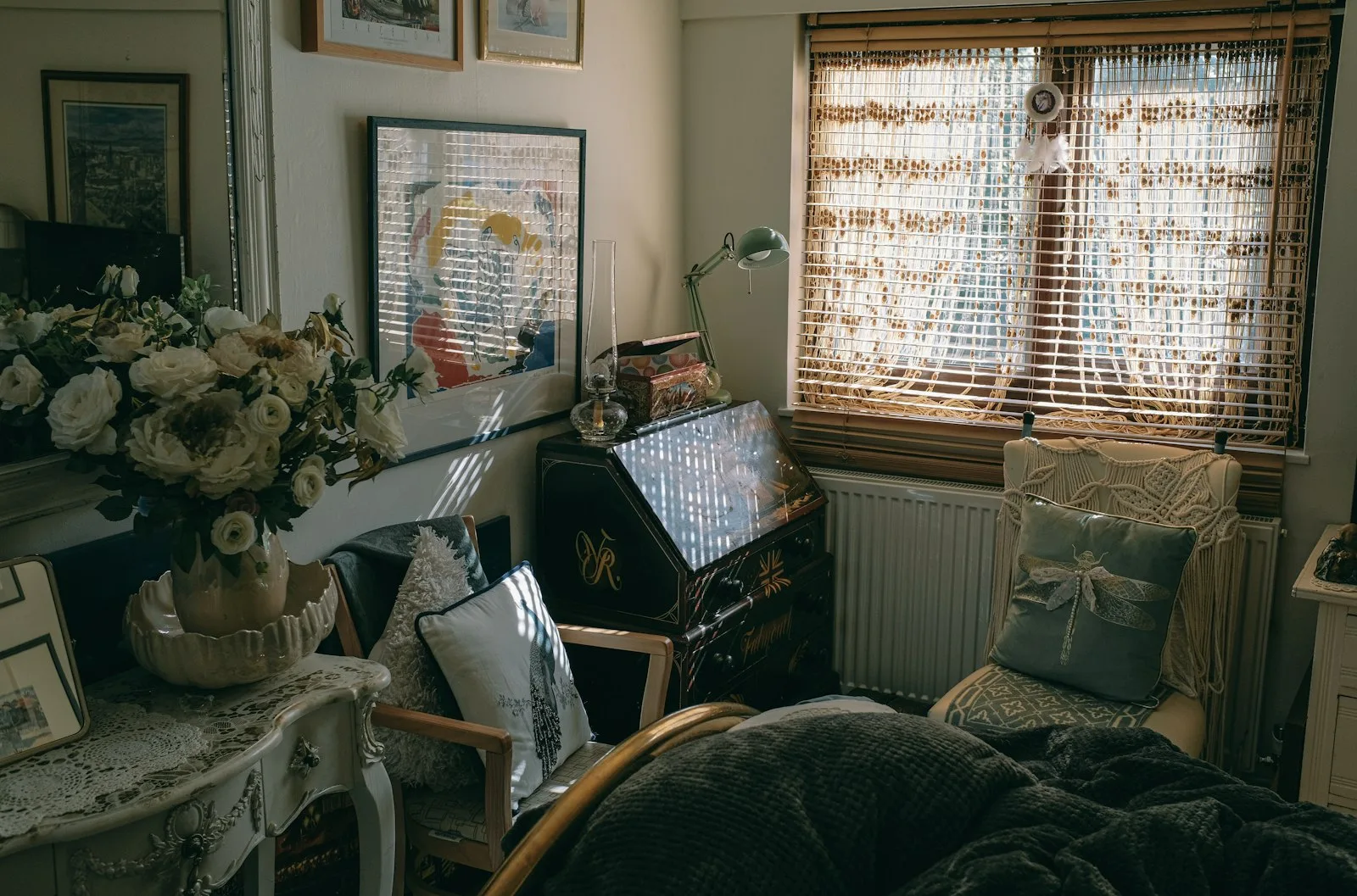
Cottagecore romanticizes a simple rural life: baking, foraging, mending, growing things, a general softness toward the handmade and the worn. Translated into a small rental, that becomes a layered, floral, vintage-leaning room full of natural materials and living plants, warm and a little imperfect on purpose.
The risk, and it is a real one, is that cottagecore done heavy-handed stops looking like a home and starts looking like a costume or a gift-shop display. The version that works in a real apartment is restrained: a few genuinely old pieces, one floral moment instead of florals on every surface, plants that are actually alive, and a lot of soft natural fabric. Aim for a room that looks like it has been gently accumulating for years, not one that was bought as a themed set last Tuesday.
Florals and color without a paintbrush
Florals are the signature, and the temptation is to put them everywhere, which is exactly how the look tips into too much. Pick one place for the pattern to sing and keep the rest soft around it.
The strongest renter move is a single floral feature wall in removable wallpaper. A ditsy floral, a vintage botanical, or a faded chintz print behind the bed or in a reading corner does the work an old wallpapered cottage would, peels away clean when the lease ends, and never touches a paint can. One wall is plenty; wrapping the whole room turns cozy into claustrophobic fast. Etsy and the peel-and-stick wallpaper shops carry the small florals and chintz prints that big-box stores tend to skip, which is where the genuinely cottage patterns live.
Everywhere else, let color stay soft and slightly faded: cream, sage, dusty rose, butter yellow, the colors of a quilt that has been washed a hundred times. Bring the rest of the floral in through fabric instead of more wallpaper, a printed quilt, a couple of cushion covers, a tablecloth, so the pattern feels collected rather than installed. If a bolder, moodier version tempts you, the dark academia room guide shares the vintage-and-thrift instinct with a darker palette.
Vintage and thrifted finds do the heavy lifting
Nothing reads cottagecore faster than objects that are genuinely old, which is lucky, because old is cheap if you are willing to hunt. This is an aesthetic thrift stores and estate sales were made for, and buying secondhand is also the honest version of a look built on mending and reusing.
Keep an eye out for the small things that quietly carry the whole room:
Old books, linens, and crockery. Cloth-bound hardbacks, embroidered napkins, mismatched floral plates, a chipped enamel pitcher. These cost a dollar or two and stack up into atmosphere.
Wicker, cane, and worn wood. A wicker basket, a cane chair, a small pine side table with some honest scuffs. Natural materials with a little age beat anything new and shiny.
Quietly useful antiques. A wooden crate as a shelf, a ladder as a blanket rail, a crock full of wooden spoons. Cottagecore loves things that are pretty and do a job.
The one hack worth committing to: buy the real worn thing, not the new “distressed” version of it. Mass-market distressed furniture and faux-vintage signage photograph fine and feel hollow the moment you touch them, and a genuinely old piece usually costs about the same secondhand. The bundled “farmhouse” decor sets are the fastest way to flatten the whole room into a single bought gesture. Authentic wear is the entire point of the look, and it cannot be faked at the factory.
Plants and soft textiles
A cottage feels grown, not decorated, and plants are how a city apartment fakes that even without a garden. You do not need a green thumb or a south-facing wall of windows. The plants that forgive a dim rental are pothos, snake plant, and ZZ plant, any of which limp along happily on the light from a window facing a brick wall. Add herbs on the sill if you get a little sun, a hanging plant in a macrame holder to bring green up to eye level, and dried flowers or eucalyptus in the true dark corners where nothing living will last. The goal is the sense that something is growing in here, even on a fire escape’s worth of light.
Then pile on the soft textiles, because cottagecore is a tactile look and a hard rental needs softening anyway. Layer a quilt over the bed, drape a crocheted or knitted throw on the chair, add a ruffled or linen cushion or two, lay down a worn-in rug. Lace, eyelet, gingham, and small florals all belong here; mix them loosely rather than matching them, and let the bed in particular look like somewhere you would happily read all afternoon. For more ways to layer texture into a rental without committing to a single style, the boho apartment guide covers the plant-and-fabric approach in depth.
The cottagecore pieces worth buying
Cottagecore is the gentlest of these looks on a budget, and most of the room is meant to arrive slowly from thrift stores. The one real expense is the floral wallpaper, which has its own guide above, and what is below is the soft, living layer worth buying new, since secondhand rarely turns up a clean quilt or a healthy plant on demand. The dollar figures are loose ballparks, not live quotes, and apart from one small hook for the hanging plant, nothing here asks for a tool or a hole in the wall.
What it actually costs
Cottagecore is one of the gentlest aesthetics on a budget, and it rewards building slowly rather than in one trip. The one real cost up front is the floral wall: a few rolls of removable wallpaper for a single feature wall usually run somewhere around forty to a hundred dollars depending on the brand and the size of the wall, and that is the biggest line on the list by a wide margin. Everything after that trickles in over months. The vintage books, linens, crockery, baskets, and worn wood come from thrift stores and estate sales, where prices swing a lot by city but secondhand still beats new for both cost and character. The living layer, a few low-light houseplants and some dried stems, costs almost nothing and only gets fuller with time.
Put real money into the wallpaper and maybe one solid vintage anchor, then let time and thrift do the rest. The look improves the more slowly you build it, since a room that accumulated over months looks lived-in, while a room bought in one haul looks like a themed set. If you want the same softness with less floral and more global texture, the boho apartment guide is the next step, and the apartment aesthetic guide lays out every look side by side.
Frequently asked questions about cottagecore apartments
What is cottagecore decor?
Cottagecore is a decor style that romanticizes simple rural life: baking, gardening, mending, and a love of the handmade and the worn. In a room it shows up as florals, vintage and thrifted pieces, natural materials, live plants, and soft layered textiles, all in a warm, slightly imperfect, gently overgrown way. It aims for a homemade, lived-in feeling rather than a polished one.
How do I make my apartment cottagecore?
Layer in florals through one removable-wallpaper accent wall and a few printed fabrics, fill the room with thrifted vintage objects and natural materials like wicker and worn wood, add plants real or dried, and pile on soft textiles such as quilts, crochet, and lace. Keep it restrained so it feels like a home rather than a costume, and lean on secondhand finds, which suit both the look and a renter’s budget.
Can you do cottagecore in a rental without painting?
Yes, and most of the look is reversible by design. Color and pattern come from removable wallpaper and textiles rather than paint, the furniture is thrifted and movable, and the plants and objects pack up at the end of the lease. A single floral feature wall in peel-and-stick paper gives the cottage feeling without a brush or a lost deposit.
How do I make cottagecore not look childish or like a costume?
Restraint is the whole trick. Choose one floral moment instead of florals everywhere, mix in plenty of plain natural materials and faded neutral colors, and favor genuinely old pieces over new faux-vintage ones. A few real antiques among soft, simple basics come across as a grown-up home; matching themed sets and distressed-on-purpose furniture are what tip it into costume.
What colors are cottagecore?
Soft, warm, and slightly faded: cream and ivory, sage and other muted greens, dusty rose, and butter yellow. Florals bring in small amounts of deeper color, but the base stays pale and natural. The palette should feel sun-faded and comfortable rather than bright or saturated.
Set the rosebud teacup next to a jar of dried flowers, hang one trailing plant where the alley light reaches, and the walk-up with the off-limits fire escape starts to feel like the cottage it was never going to be. Turns out the whole thing packs into a teacup and a few thrifted quilts, and not one square foot of countryside.
Get the renter's first-apartment checklist
Small-space decor ideas for renters, straight to your inbox.
Seven renter-friendly over-the-door storage picks for the space behind every door, with no tools and no holes. Plus the one measurement that decides the fit.
How to organize a small rental closet in five zones with no drilling: double the rod, reclaim it with slim hangers, work the door, divide the shelf, and claim the floor.
The space under your bed is a closet you are not using. 8 renter-friendly under-bed storage picks sorted by clearance and contents, the one to skip, and the measurement to take first.
Eight no-drill bathroom storage picks for renters that survive the steam: over-toilet shelves, door-back racks, tension caddies, and under-sink fixes.
Manage Consent
To provide the best experiences, we use technologies like cookies to store and/or access device information. Consenting to these technologies will allow us to process data such as browsing behavior or unique IDs on this site. Not consenting or withdrawing consent, may adversely affect certain features and functions.
Functional
Always active
The technical storage or access is strictly necessary for the legitimate purpose of enabling the use of a specific service explicitly requested by the subscriber or user, or for the sole purpose of carrying out the transmission of a communication over an electronic communications network.
Preferences
The technical storage or access is necessary for the legitimate purpose of storing preferences that are not requested by the subscriber or user.
Statistics
The technical storage or access that is used exclusively for statistical purposes.The technical storage or access that is used exclusively for anonymous statistical purposes. Without a subpoena, voluntary compliance on the part of your Internet Service Provider, or additional records from a third party, information stored or retrieved for this purpose alone cannot usually be used to identify you.
Marketing
The technical storage or access is required to create user profiles to send advertising, or to track the user on a website or across several websites for similar marketing purposes.