This post contains affiliate links. As an Amazon Associate I earn from qualifying purchases.
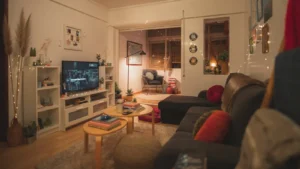
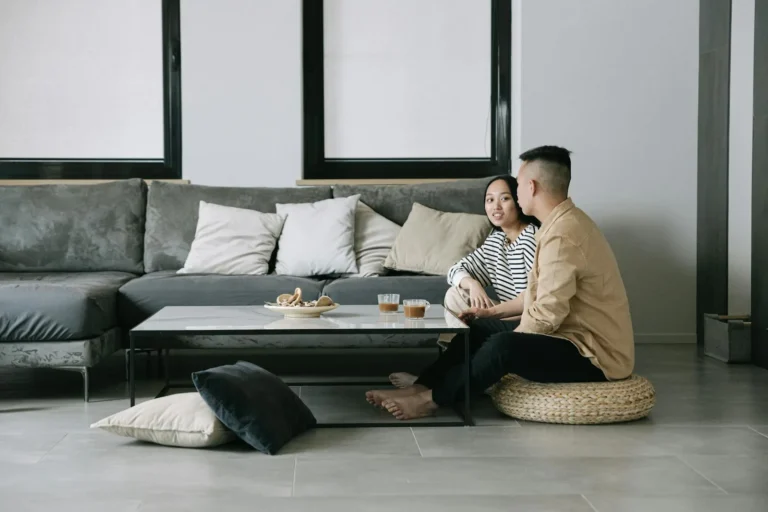
You scrolled past the boho apartment again, the one with the layered rugs, the plants spilling off every shelf, the macrame on the wall and the late sun coming through a sheer curtain. Then you looked at your own place: a dim rental, a couch you inherited, a rug that does not match the throw, and a box of odds and ends you keep meaning to deal with. Most aesthetics would punish that mismatched pile. Boho is the one that turns it into the decor.
That is the quiet magic of bohemian style, and the reason it is the friendliest aesthetic on the renter list. It runs on rugs stacked on rugs, plants that outnumber the furniture, warm neutrals, and a wall of macrame, all of it looking gathered rather than bought. Nothing has to match, nothing needs to be new, and not one piece of it requires a drill or a drop of paint. If you own a collection of slightly clashing things you love, you are already most of the way there.
Here is the renter version, built to be cheap, forgiving, and fully reversible.
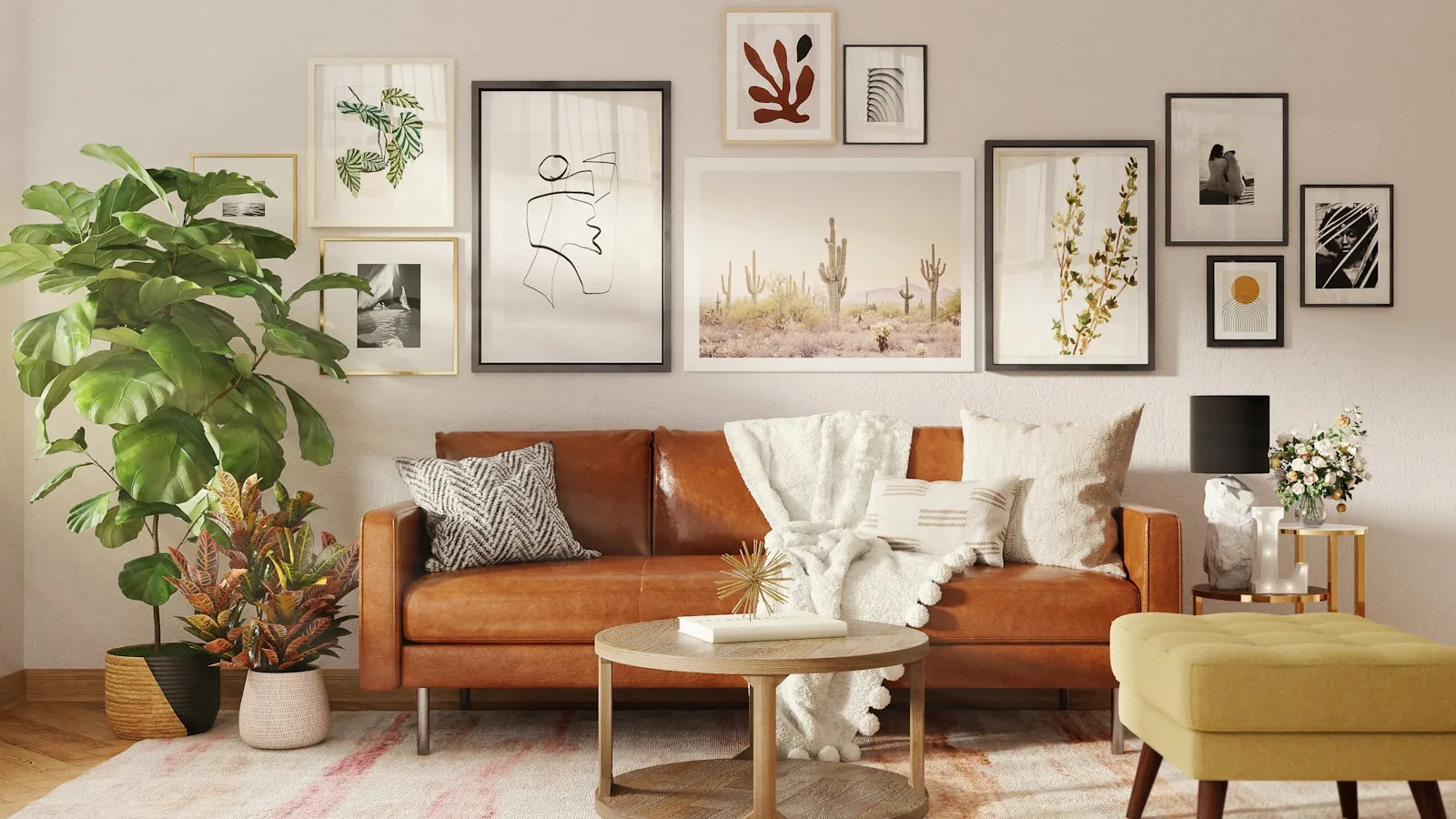
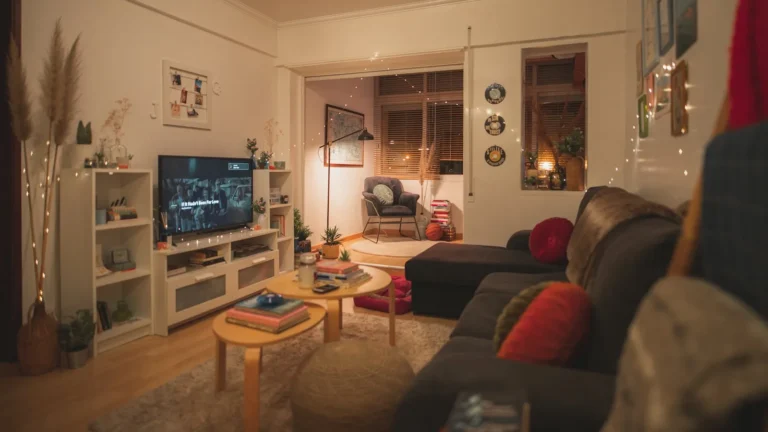
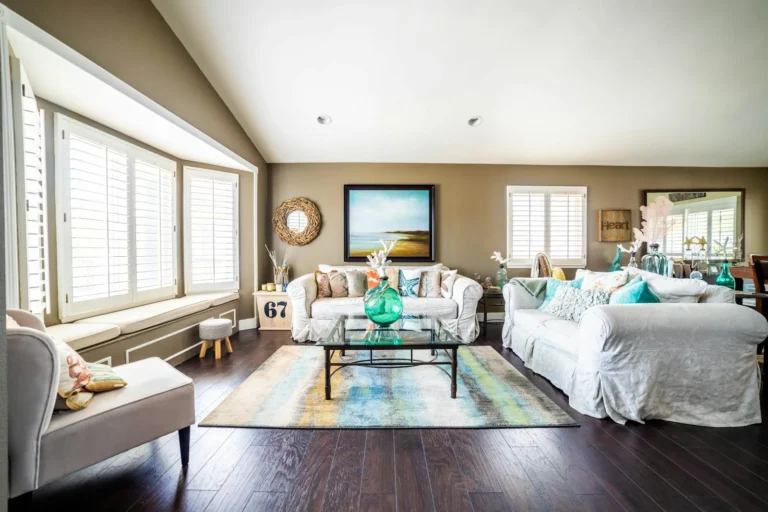
Boho is, before anything else, a layering game, and textiles are the first layer. A flat rental floor gets a rug, and then it gets a second smaller rug on top at an angle, a flatweave or kilim over a larger jute base. The couch gets a throw, then a second throw, then more cushions than seems reasonable, in mixed patterns and warm tones that almost but do not quite coordinate.
This is where boho rewards the renter specifically. Layered textiles soften the sound in a hard-floored apartment, hide a couch you did not choose under a sea of cushions and a draped blanket, and pack flat into a box on moving day. The more you pile on, the better it works, right up until the room tips from gathered into cluttered. You will know the line when you hit it.
Plants are the architecture, not the accessory
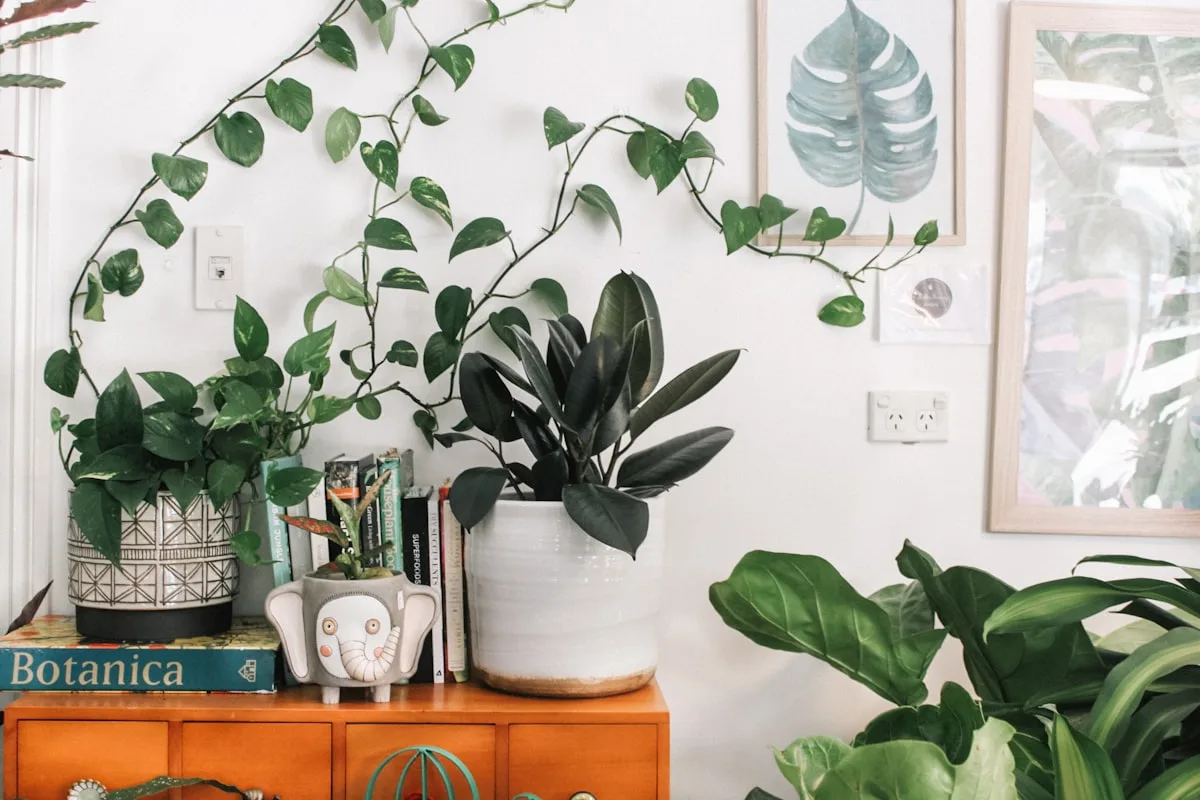
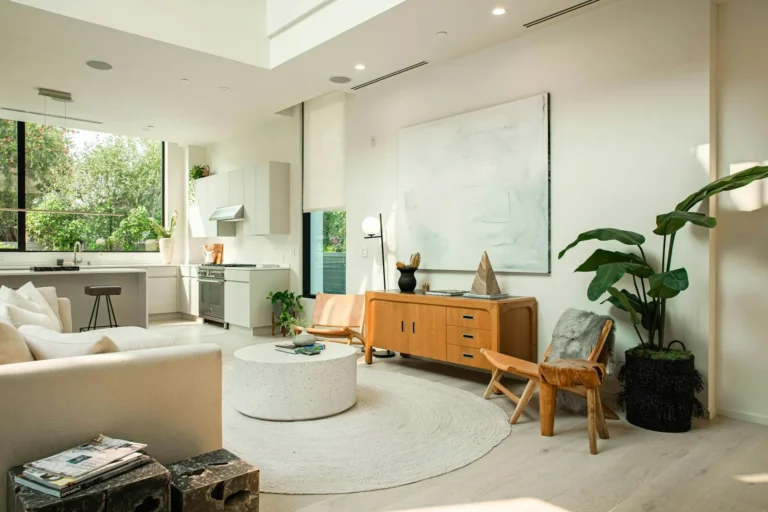
In most rooms a plant is a finishing touch. In a boho room the plants are structural, and the more the better: a tall fiddle-leaf or rubber plant in a corner, trailing pothos down a bookshelf, a hanging planter in the window, a cluster of small succulents on the sill.
For a renter, plants are the cheapest way to add the lushness the look depends on, and you do not need to put a single hole in the wall. Use a tension rod across a window to hang trailing planters, set tall plants in floor baskets, and lean into the hardy types, pothos, snake plant, ZZ, that survive a dim apartment and an irregular watering schedule. If the unit is genuinely dark, a few good faux plants mixed in with the real ones fool the eye completely at boho density.
Natural materials carry the whole thing
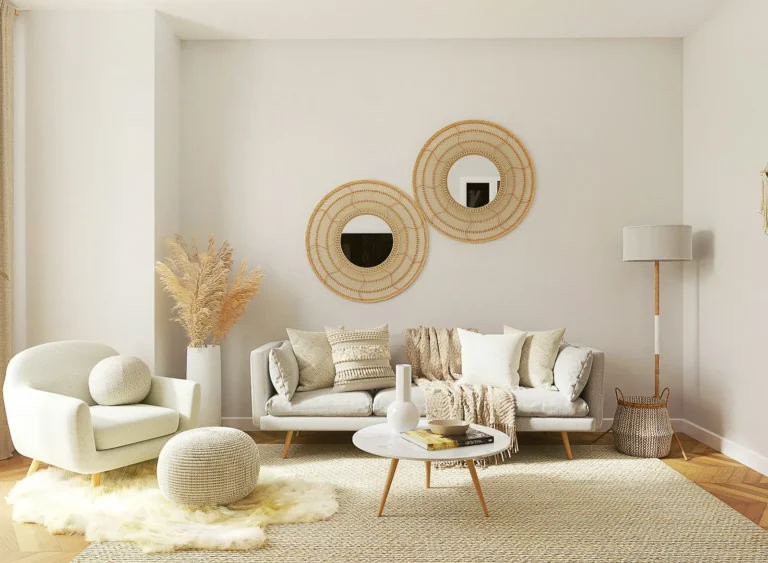
The boho palette is mostly warm neutrals, so the interest comes from materials rather than from color. Rattan, cane, jute, raw wood, clay, woven seagrass, unbleached cotton. A rattan side table, a woven basket, a wooden bead garland, a clay pot, a cane-front cabinet. These textures are what keep a neutral room from going flat, and they happen to be exactly what thrift stores and marketplace listings overflow with, usually for a few dollars.
Fill the walls without a single nail
A boho wall is busy in the best way, and almost none of it needs hardware. This is where the look and the lease finally agree.
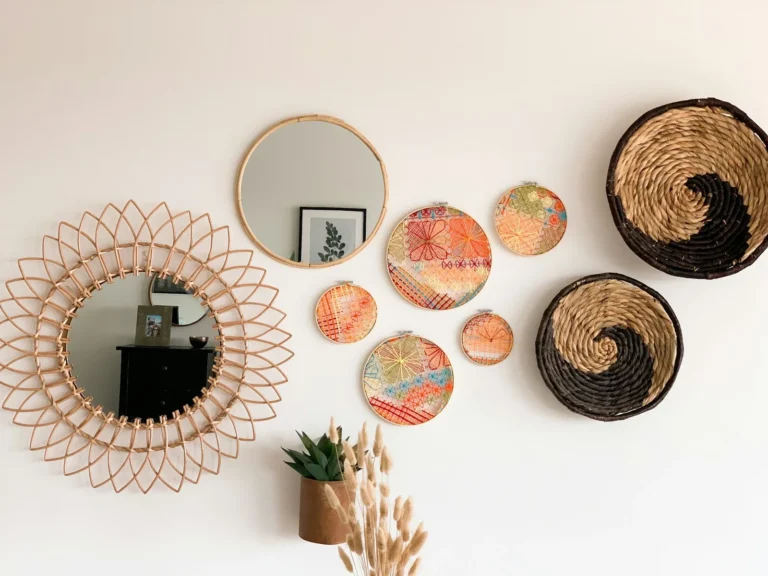
Macrame and woven wall hangings hang from a single small hook or an adhesive strip, weigh almost nothing, and are the signature boho wall piece.
Tapestries and textile hangings cover a large patch of bare wall for very little money and go up with a tension rod or a few removable strips.
Leaned and clustered frames mix art, mirrors, and pressed botanicals on a shelf or the floor rather than in a drilled grid.
For the pieces that do go up, the no-nail hanging guide covers which strips actually hold and how to remove them without taking paint. If you want a patterned accent wall behind the bed, a removable wallpaper in a small floral or global print does it and peels off clean at move-out.
Thrift is boho’s native habitat
No aesthetic rewards secondhand shopping like this one. Because boho is built on the gathered-over-time look, a room full of thrifted, marketplace, and hand-me-down pieces does not just save money, it actually looks more authentic than a matching set from one store. The slight wear, the mismatched wood tones, the one weird brass thing you could not leave behind, all of it adds up to the lived-in feel the aesthetic is chasing. Shop slowly, buy what you genuinely like, and let the room assemble itself over a few months.
Keep one corner calm
The single trap in boho is the slide from layered into chaotic, and the cure is restraint in one spot. Leave one corner, one wall, or one surface deliberately quiet, so the eye has a place to rest between all the texture. A blank stretch of wall, a clear side table, a single uncluttered shelf. That bit of breathing room is the difference between a room that feels collected and a room that feels like a storage unit with plants.
What it actually costs
Boho is one of the cheapest aesthetics to build because thrift is doing the work and plants are doing the rest. A jute base rug runs forty to eighty, a layering kilim or flatweave another twenty to fifty secondhand. Plants are a few dollars each and multiply if you propagate them. Baskets, throws, and woven pieces come from thrift stores for pocket change. A macrame hanging is ten to thirty. There is no single big-ticket item, which makes this an easy look to grow into slowly on a small budget.
Layer the textiles, fill the place with plants, lean on natural materials, and leave one corner to breathe. If you want the same warmth with a richer, more grounded palette and global textiles, the afrohemian look takes boho somewhere deeper, and the lifted, woody mid-century approach goes cleaner if the layering ever feels like too much. The full set of looks lives in the apartment aesthetic guide.
Frequently asked questions about boho apartment decor
How do I make my apartment boho on a budget?
Thrift almost everything and let plants do the rest. Boho is built on a gathered, layered, mismatched look, so secondhand rugs, baskets, woven pieces, and hand-me-down furniture suit it better than a matching new set, and cost a fraction as much. Add hardy plants (a few dollars each), layer your textiles, and hang a macrame piece. There is no expensive must-have item.
What makes a room look bohemian?
More than anything, the collected-over-time feel where nothing quite matches. On top of that: a rug layered over a rug, more cushions and throws than seems necessary, woven wall hangings, plenty of natural material like rattan and jute, and greenery spilling off shelves and out of corners. The look is relaxed, lush, and personal rather than coordinated.
How do renters get the boho look without damaging walls?
Almost the entire look hangs without hardware. Macrame and textile wall hangings go up on a single small hook or adhesive strip, tapestries hang from a tension rod, and frames lean on shelves instead of drilling into a grid. For an accent wall, removable wallpaper in a floral or global print peels off clean. Plants hang from tension rods in windows rather than ceiling hooks.
Is boho good for small apartments?
Yes, with one caution. The layered textiles and plants make a small space feel cozy and full rather than cramped, and the thrift-friendly approach suits a small budget. The caution is clutter: in tight square footage the line between layered and chaotic comes faster, so keep one corner or surface deliberately clear to give the eye somewhere to rest.
What plants are best for a boho apartment?
Hardy, low-light, forgiving ones that survive apartment conditions: pothos, snake plant, ZZ plant, and rubber plant are the workhorses, with a trailing pothos or two for the spilling-off-shelves effect. A tall fiddle-leaf fig anchors a corner if the light is decent. In a genuinely dim unit, mix in a few quality faux plants, which read as real at boho density.
Pull the inherited couch into the mix, throw two clashing blankets over it, layer a kilim on the jute, and crowd the shelves with green. That pile of mismatched stuff you kept meaning to deal with? Around here, it is the starting kit.
Get the renter's first-apartment checklist
Small-space decor ideas for renters, straight to your inbox.
How to choose one apartment aesthetic and actually pull it off in a rental, without painting or drilling, plus a tour of the looks worth committing to.
Afrohemian decor for renters: authentic African textiles, baskets that double as storage, and a warm grounded palette, all deposit-safe.
Manage Consent
To provide the best experiences, we use technologies like cookies to store and/or access device information. Consenting to these technologies will allow us to process data such as browsing behavior or unique IDs on this site. Not consenting or withdrawing consent, may adversely affect certain features and functions.
Functional
Always active
The technical storage or access is strictly necessary for the legitimate purpose of enabling the use of a specific service explicitly requested by the subscriber or user, or for the sole purpose of carrying out the transmission of a communication over an electronic communications network.
Preferences
The technical storage or access is necessary for the legitimate purpose of storing preferences that are not requested by the subscriber or user.
Statistics
The technical storage or access that is used exclusively for statistical purposes.The technical storage or access that is used exclusively for anonymous statistical purposes. Without a subpoena, voluntary compliance on the part of your Internet Service Provider, or additional records from a third party, information stored or retrieved for this purpose alone cannot usually be used to identify you.
Marketing
The technical storage or access is required to create user profiles to send advertising, or to track the user on a website or across several websites for similar marketing purposes.