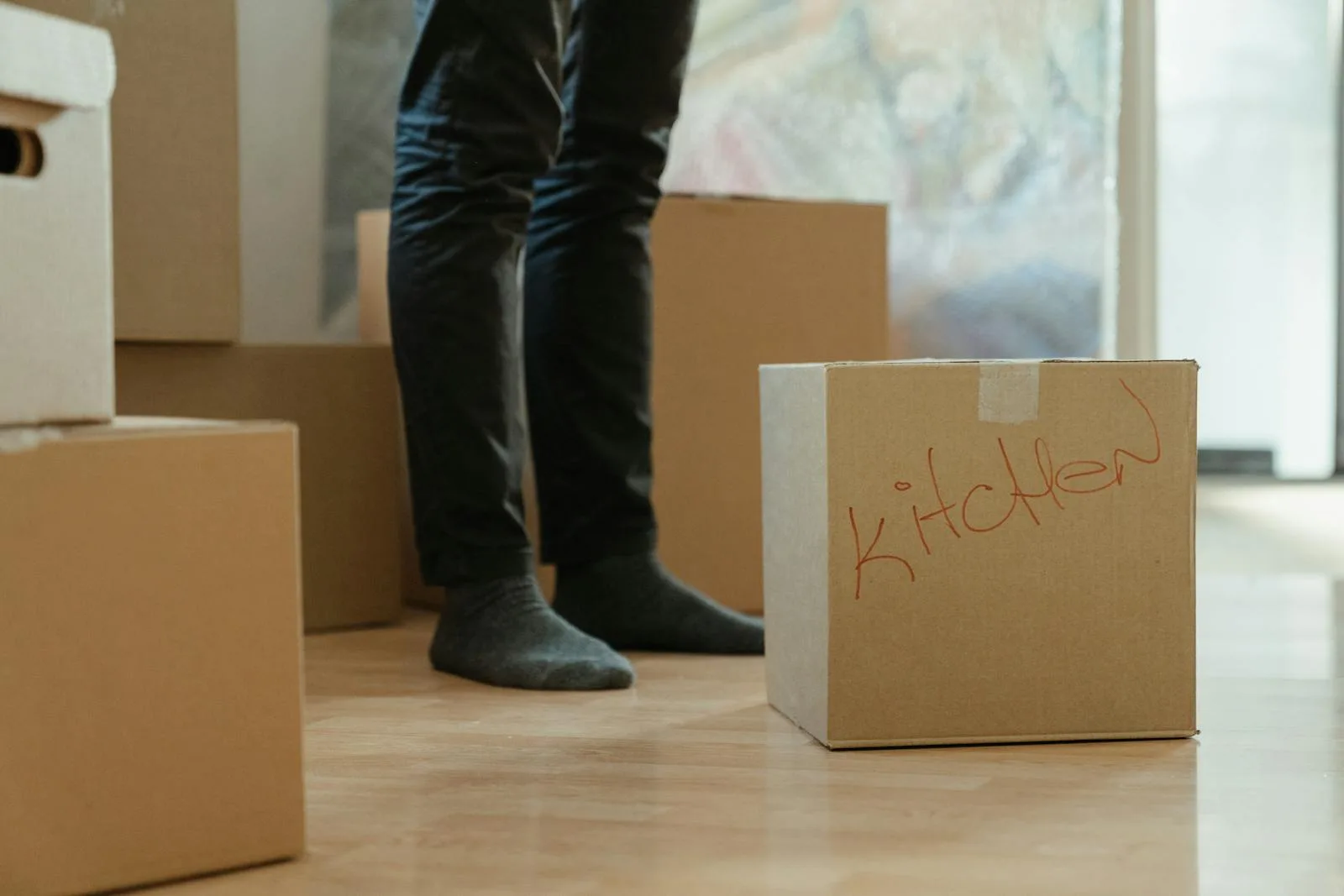
You can buy everything on every first-apartment list and still lose part of your deposit. The stuff is the easy part. The money usually leaks out of the admin nobody warns you about: a utility account you forgot to switch on, the move-in photos you meant to take and didn’t, the address change you keep putting off. This apartment move-in checklist covers that side of things, the process instead of the products. Do it in order and day one runs smoothly and your full deposit comes back when you leave.
It is laid out in three stages: before you move in, the day you get the keys, and your first week. If you do only one thing carefully, make it the move-in inspection. Done right, it stops a landlord pinning old damage on you later.
The short version: set up utilities and renters insurance before moving day. The minute you have keys, photograph every room before a single box comes in. Then sort your address change and registration during week one. Get those right and the rest really is just unpacking.
What should you do first when moving into an apartment?
Before you move anything in, document the apartment’s condition with photos and video. That is the single best thing you can do for your deposit, because it proves what was already damaged when you arrived. After that, check your utilities are actually on, get renters insurance in place, and unpack only what you need for the first night.
The rest of this checklist walks through each stage in order. If you are still gathering the actual items you need, pair this with our first apartment checklist and our guide on what to buy first.
Before move-in day
Get the dull logistics out of the way a week or two before key day. Leave them until moving day and something always slips. The ones worth doing early are your lease, your utilities, and your insurance.
Reread the lease, slowly this time. Look for the move-out cleaning rules, what they count as damage, and anything about hanging things, painting, or pets. That tells you what will cost you later and what won’t.
Put the utilities in your name. Electric, gas, water if it isn’t included, and internet. Set them to switch on the day your lease starts so you’re not unpacking by phone flashlight.
Get renters insurance. It runs about $10 to $25 a month and covers your belongings if there’s a fire, a flood, or a break-in. A lot of landlords require it now, and it is genuinely cheap peace of mind. It is also the one thing people skip and then regret.
Sort the moving-day logistics. Elevator booking, somewhere to park the truck, and where you actually pick up the keys. Tiny things that wreck a moving day when you forget them.
One reminder worth actually setting: schedule the utilities to start on your lease date. A surprising number of first-time renters spend night one in the dark because the account didn’t transfer in time.
Move-in day: the inspection that protects your deposit
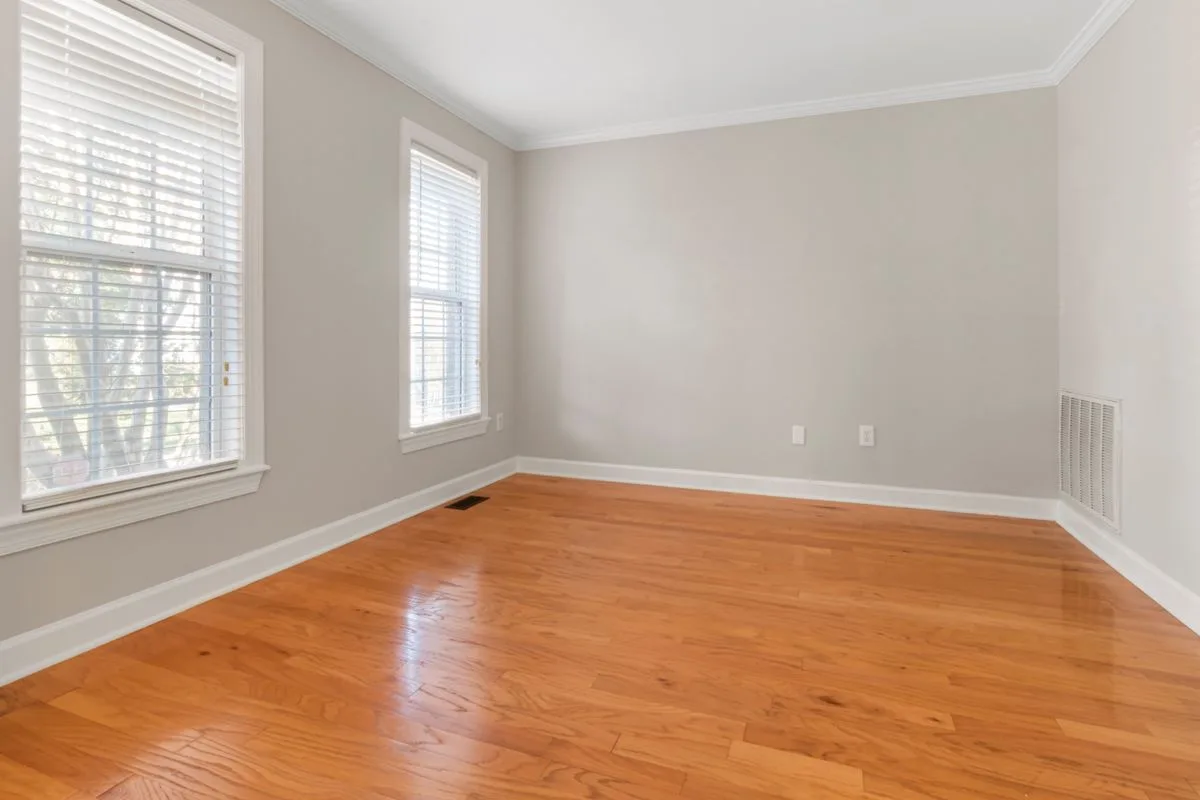
Before a single box comes through the door, document the exact state of the place. This is the step that decides whether your deposit comes back, because it is your proof of every mark that was there before you were.
Walk through every room with your phone and do this:
Photograph and film everything. Floors, walls, carpet, counters, appliances, inside the cabinets, the window screens, the bathroom. Get close-ups of anything already damaged.
Check the dates. Make sure the photos are timestamped, or email a few to yourself so there is a record of when you took them.
Fill in the move-in inspection form. If the landlord gave you one, complete it honestly and keep your own copy. If they didn’t, email them your own list of existing issues so it’s on record.
Test the things that matter. Run the faucets, flush the toilets, check the stove, fridge, heat, and AC, and make sure the locks and smoke detectors work.
Put problems in writing. A text or email leaves a trail. A phone call leaves nothing.
Twenty minutes here is the difference between getting your deposit back and arguing about a stain you never made. A small label maker is handy for the boxes too, and for organizing later, but it is the photos that actually protect you.
Set up your first night
Nobody unpacks everything on day one, so don’t try. Set up just enough to get through the first night in one piece. Think survival kit, not finished home.
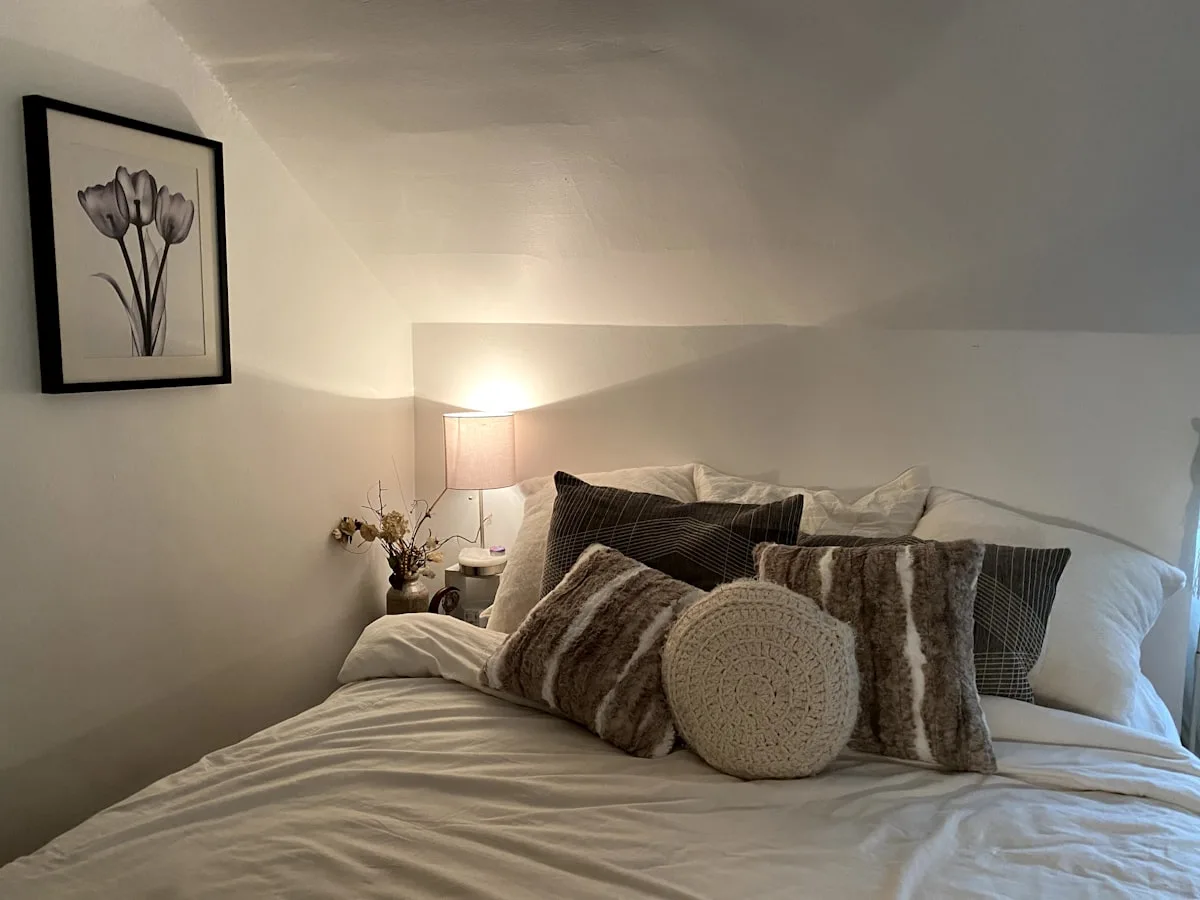
The bed. Build the frame, get the mattress on it, and put one set of sheets on. After hauling boxes all day, you will thank yourself.
The bathroom. Shower curtain up, towels out, plus toilet paper, soap, and a small toiletry bag.
Charger, lamp, trash bag. The first things you reach for and the first to vanish into a pile of boxes. A small move-day essentials kit keeps them in one place.
Something to eat and drink. Even just water, a few snacks, and some way to make coffee in the morning.
Once you are actually in, spread the paperwork across your first week. None of it is urgent on day one, which is exactly why it is so easy to forget.
Change your address. Start with the postal service, then work through your bank, employer, subscriptions, and any government ID or voter registration.
Update your license and registration if you changed states, or if your state asks for it.
Learn where things live. Trash and recycling, the mailbox, the breaker box, and how laundry works in the building.
Save the numbers you’ll need. Landlord or property manager, the maintenance line, and the non-emergency number for your area.
Say hi to a neighbor. Not admin, exactly, but neighbors will teach you how the building really works faster than anyone else.
Get the free move-in inspection checklist
Want the inspection as a one-page printable you can carry from room to room on moving day? We turned the photo-and-inspection steps above into a free PDF, so you can work through them without missing a spot.
Get the free move-in inspection checklist.Download the printable here, no email required, and walk the apartment with it.
It lists every room, what to photograph, and what to test, all on a single page. Print it, walk the apartment, and your deposit protection is done in twenty minutes.
Frequently asked questions
What is the first thing to do when you move into an apartment?
Document the apartment’s condition with photos and video before you unpack anything. This proves what damage was already there and protects your deposit. Then confirm your utilities are on, set up renters insurance, and unpack only your first-night essentials.
Should I take photos when I move into an apartment?
Yes, always. Photograph and film every room before you move your belongings in, including floors, walls, appliances, and any existing damage. Make sure the images are dated or email them to yourself. These photos are your main evidence if a landlord tries to charge you for pre-existing damage at move-out.
What utilities do I need to set up for a first apartment?
Set up electricity, gas if your unit uses it, water if it is not included in rent, and internet. Put each account in your name and schedule them to start on your lease date so you are not without power on move-in day. Confirm with your landlord which utilities, if any, are already covered.
Do I really need renters insurance?
In most cases yes. Renters insurance runs about $10 to $25 a month and covers your belongings against fire, theft, and water damage, plus some liability. Many landlords now require proof of it before you move in, and it costs far less than replacing everything you own.
How long do I have to do an apartment move-in inspection?
Do it the day you get the keys, before you move anything in. Some leases give you a set window, often a few days, to return a signed inspection form, so check yours. The sooner you document the condition and report issues in writing, the stronger your deposit protection.
Move in smart, move out with your deposit
The things you buy matter less than the order you do all this in. Sort the utilities and insurance early, photograph the place before you unpack a thing, and clear the admin in week one. Do that and you will spend your first month settling in, not untangling a mess you could have avoided.
Grab the free inspection checklist above, then keep going: see the full first apartment checklist for what to actually buy, get the spending order with what to buy first, and when the boxes are unpacked, make it feel like home with our renter-friendly decor ideas.
Get the renter's first-apartment checklist
Small-space decor ideas for renters, straight to your inbox.
Nine housewarming gift basket ideas for a new apartment, from a kitchen starter basket to a coffee lover basket, plus how to pack a basket so it looks full.
Peel-and-stick crown molding adds high-end ceiling trim to a rental with no saw, no nails, no miter cuts. Six picks that hold and an install walkthrough.
This post contains affiliate links. If you buy through one I may earn a small commission at no cost to you. The rental bathroom floor was a grid of small peach-pink tiles from sometime around 1996, set in yellowing white grout, and the landlord had said in the lease walkthrough that I was welcome to…
Housewarming gift ideas for a small rental: practical gifts for moving week, no-drill fixes, cozy picks, gifts for men, unique and DIY ideas, plus what not to give.
Manage Consent
To provide the best experiences, we use technologies like cookies to store and/or access device information. Consenting to these technologies will allow us to process data such as browsing behavior or unique IDs on this site. Not consenting or withdrawing consent, may adversely affect certain features and functions.
Functional
Always active
The technical storage or access is strictly necessary for the legitimate purpose of enabling the use of a specific service explicitly requested by the subscriber or user, or for the sole purpose of carrying out the transmission of a communication over an electronic communications network.
Preferences
The technical storage or access is necessary for the legitimate purpose of storing preferences that are not requested by the subscriber or user.
Statistics
The technical storage or access that is used exclusively for statistical purposes.The technical storage or access that is used exclusively for anonymous statistical purposes. Without a subpoena, voluntary compliance on the part of your Internet Service Provider, or additional records from a third party, information stored or retrieved for this purpose alone cannot usually be used to identify you.
Marketing
The technical storage or access is required to create user profiles to send advertising, or to track the user on a website or across several websites for similar marketing purposes.