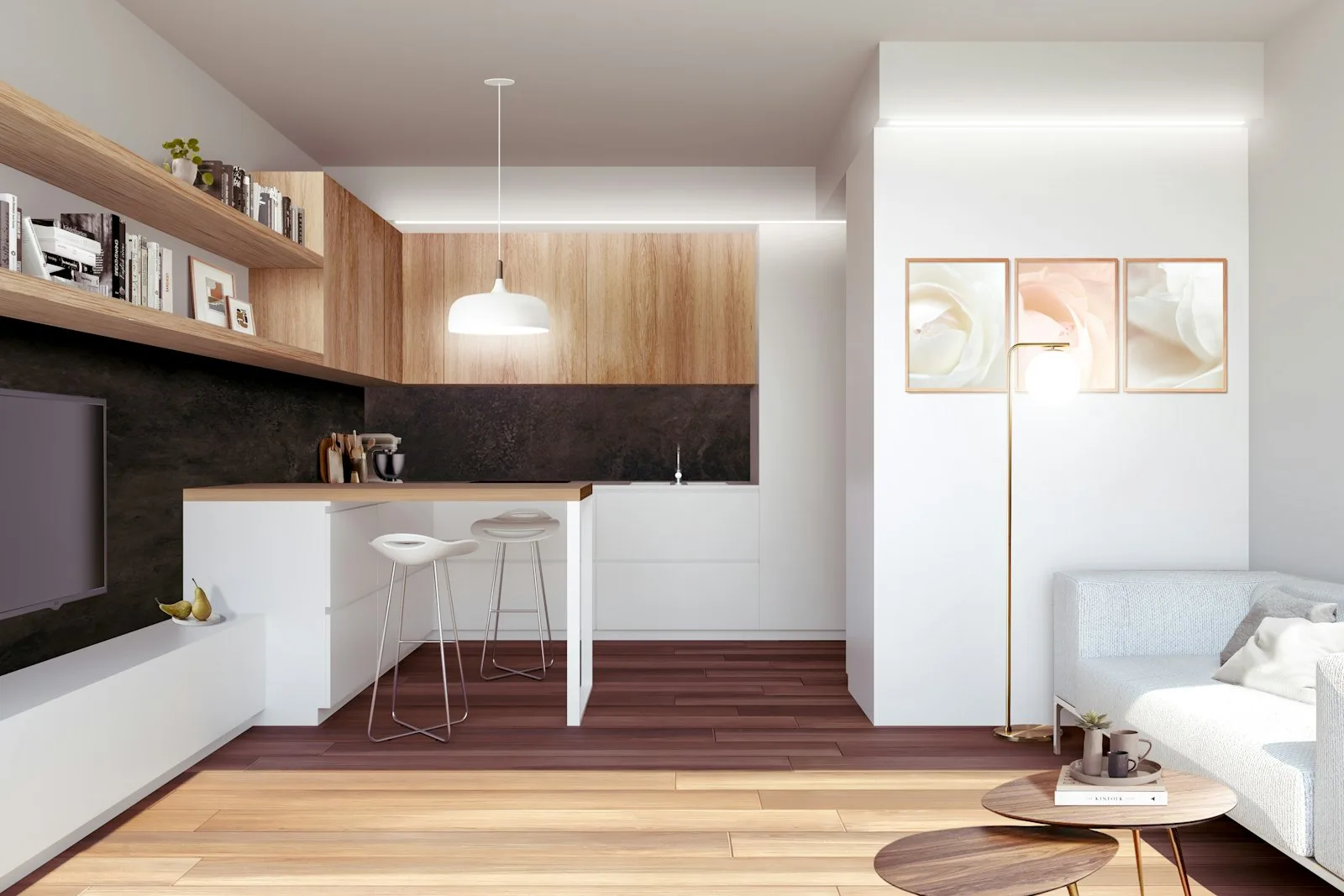
First Apartment Essentials: The Minimalist List You Actually Need
This post contains affiliate links. If you buy through one I may earn a small commission at no cost to you.
Most first apartment lists read like a wedding registry written by someone who has never paid their own rent. Two hundred items, a melon baller in there somewhere, and a total that quietly assumes you have a moving budget and a garage. You do not have a garage. You have 500 square feet, a security deposit you would like back, and a credit card you would rather not get to know better.
So here is the other list. The short one. The things you need to live in a small rental on day one, the few pieces that earn their square footage twice over, and the long tail of stuff you can skip until the apartment tells you it wants it.
The short version: you need somewhere to sleep, a small kitchen that works, a way to stay clean, one decent seat, and light that does not come from your phone. Everything past that is comfort you add slowly. Buy less than the lists tell you, buy things you can carry to the next place, and let the empty corners stay empty for a while.
What do you actually need for your first apartment?
You need five things to function: a bed, a basic kitchen setup, cleaning supplies, one comfortable place to sit, and a lamp or two so you are not living under a single overhead bulb. That is the floor. Get those and you can sleep, eat, stay clean, and sit down at the end of the day, which is the whole job of an apartment in week one.
Everything else, the matching dish set, the bar cart, the gallery wall, is something you layer in once you know how you really live in the space. If you want the full room-by-room version, our first apartment checklist lays it all out. This is the cut-down edition for people who would rather own less and keep more of their paycheck.
Why less is more in a small rental
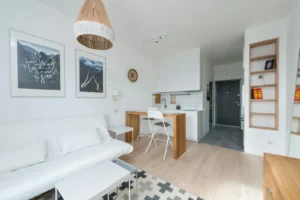
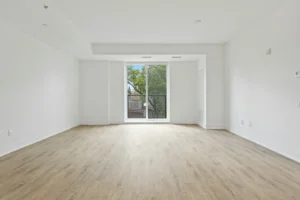
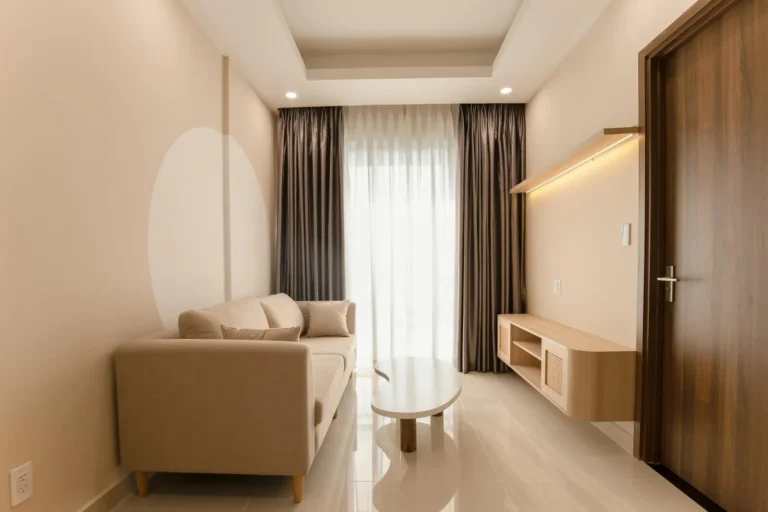
In a small apartment, every object you own competes for the same scarce floor. A piece you bought because a list said to, the one you use twice a year, is not free once it is in the room. It costs you the walking space around it, the corner it blocks, the visual clutter that makes 500 square feet feel like 400.
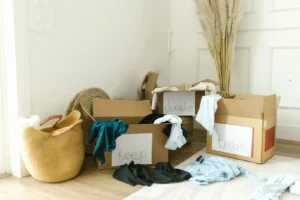
There are two other reasons to keep the list short. The first is money, which is obvious. The second is that you are a renter, and renters move. The person who bought the absolute minimum spends a Saturday packing. The person who furnished like they owned the place spends a weekend and pays a mover. Buy for the apartment you have, not the house you might have in five years.
The absolute essentials, by category
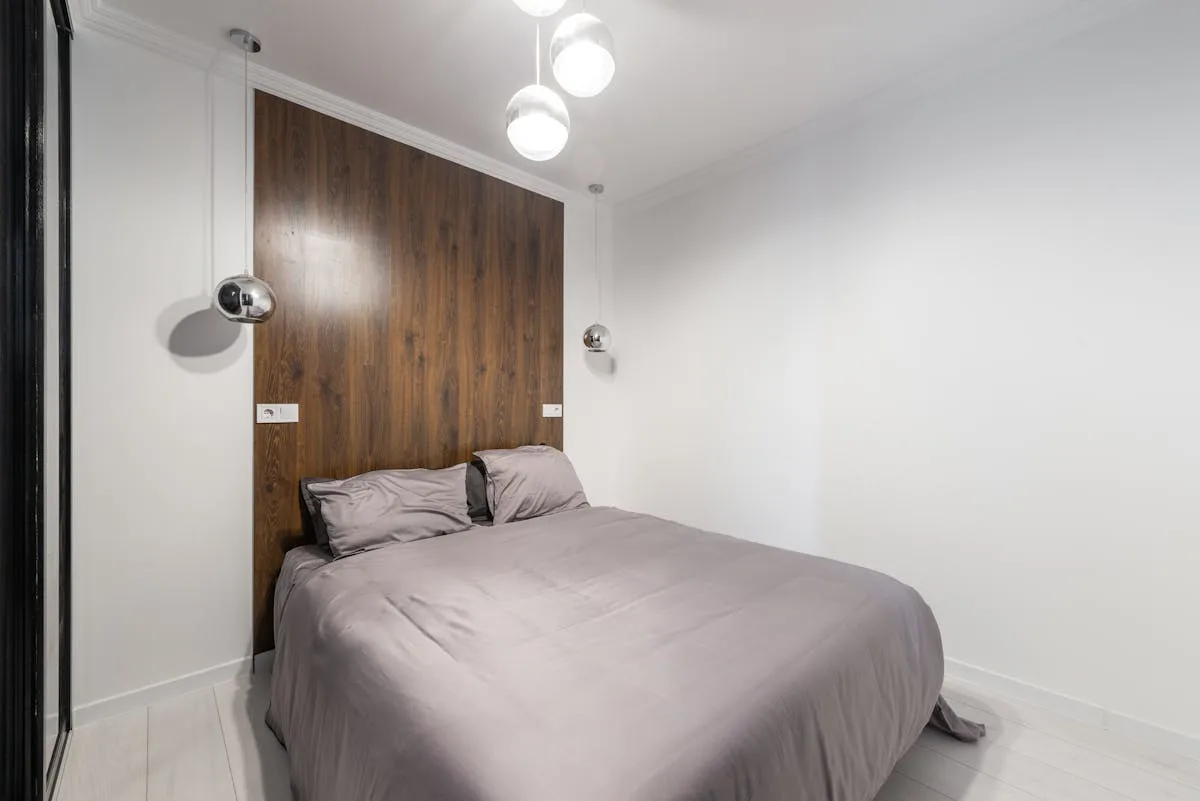
Keep each of these to the smallest version that does the job. You are buying function, not a finished look.
- Sleep. A mattress and a simple frame, plus two sets of sheets so one can be in the wash. A bed-in-a-box mattress ships compressed in a carton you can carry up a narrow stairwell, which matters more than you think on moving day.
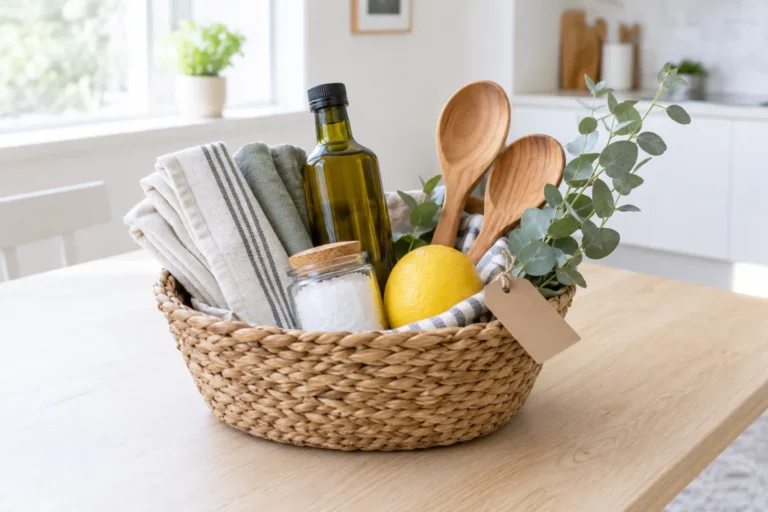
- Kitchen. A small nesting cookware set, a chef’s knife, a cutting board, a few plates and bowls, and one good pan covers most dinners. Our first apartment kitchen essentials guide has the small-kitchen specifics.
- Bathroom. A shower curtain, a tension rod, towels, and a bath mat. No drilling required for any of it.
- Cleaning. All-purpose spray, dish soap, trash bags, paper towels, and a broom or a slim stick vacuum if you have carpet.
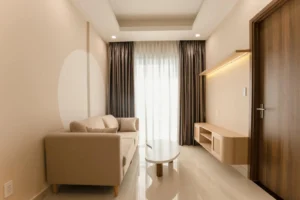
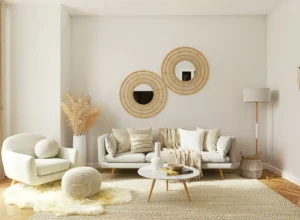
- Sitting and light. One comfortable chair or a small loveseat, and two plug-in lamps. Two lamps at different heights do more for a bare rental than almost any single piece of furniture you could add.
Notice what is not on there. No coffee table yet. No bookshelf. No second seating. You will know within a month whether you need them, and the apartment will tell you exactly where they go.
The multi-use heroes worth buying first
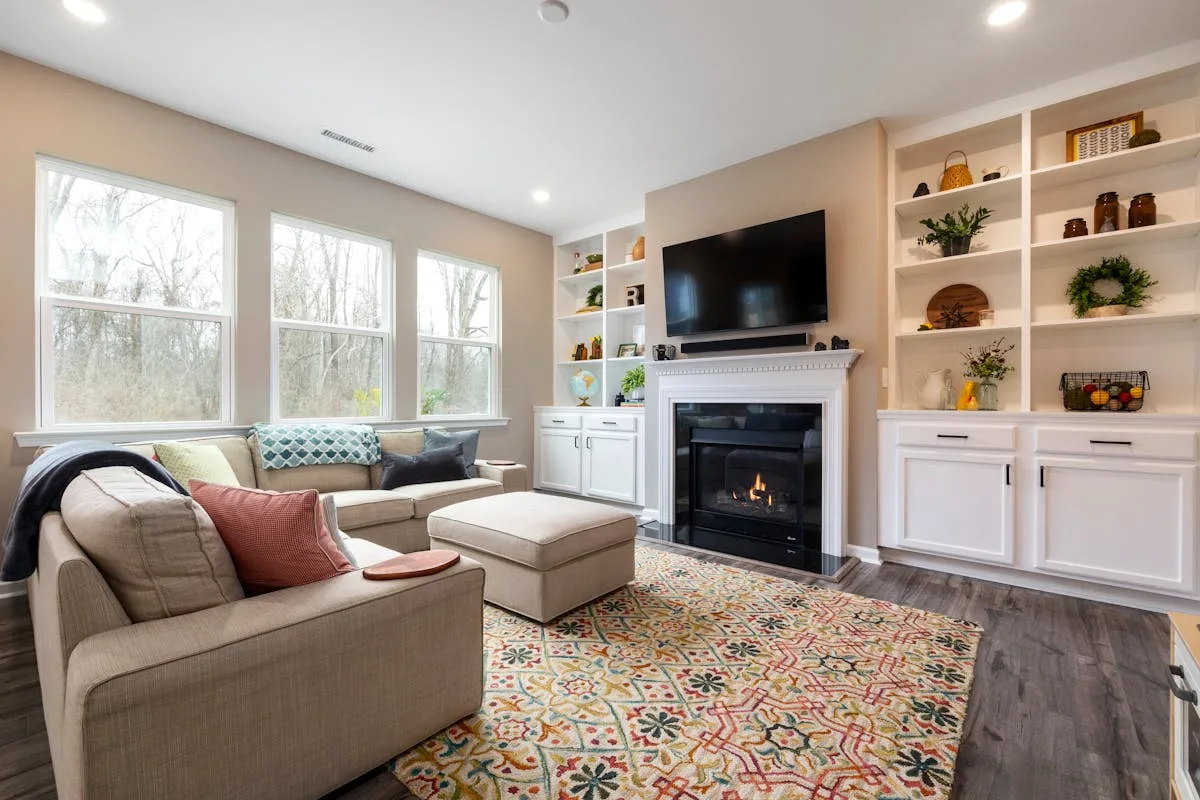
If a piece does one job, it has to earn its place. If it does two, buy it before almost anything else. In a small rental these are the items that pull double duty and keep your footprint down.
- A storage ottoman is a footrest, a spare seat when someone comes over, and a place to hide blankets and shoes, all from one box that costs less than a side table.
- A drop-leaf or folding table is a desk on weekdays and a dinner table when someone comes over, then folds back to the wall.
- A bed frame with under-bed storage drawers turns the dead space under your mattress into a dresser you did not have to buy.
- An over-the-door organizer adds a whole storage wall in the bathroom or entry without a single hole in the door.
These are also the pieces that move well. A storage ottoman fits in any apartment you ever rent. A bar cart styled to your current living room does not.
What people buy that you do not need yet
Half of every starter list is stuff that solves a problem you do not have. Skip these on day one and come back to them only if the apartment actually asks.
- A full dinnerware set for twelve. You are two people at most for a while. Buy for four, add later.
- Small appliances you saw on a list. Stand mixer, air fryer, panini press. Buy the one you will use this week, not the imagined version of you who hosts brunch.
- Matching everything. Matched sets cost more and lock you into a look before you know the light in the room. A few mismatched pieces you like will serve you better than a matching set you stretched the budget for.
- Decor, on day one. A bare wall for a month is not a failure. It is you waiting to spend the decor budget on the right thing instead of the first thing. When you do, our renter-friendly decor guide keeps it deposit-safe.
Renter-smart picks that protect your deposit
The minimalist version of a first apartment is also the renter-smart version, because the less you attach to the walls, the less you can lose later. A couple of rules keep the security deposit where it belongs.
Lean on things that hang without hardware: adhesive hooks rated for the weight, tension rods, freestanding shelves instead of mounted ones. Adhesive hooks release cleanly when you pull the tab straight down instead of yanking them off the wall, so follow the directions and you keep the paint. When you do want the place to feel finished, the renter-friendly decor guide covers peel-and-stick and no-drill options that come off without a trace when removed the right way. And before you even unpack, the move-in checklist walks through the photos and admin that protect your deposit from day one.
The throughline is simple. Buy pieces you can unhook, fold up, and carry out, and your next move is a car trip instead of a moving bill.
Frequently asked questions
What are the absolute essentials for a first apartment?
A bed and bedding, a small set of cookware and dishes, cleaning supplies, one comfortable seat, and a couple of lamps. Those five categories cover sleeping, eating, staying clean, and sitting down, which is everything an apartment has to do in the first week.
How many things do you really need for a first apartment?
Far fewer than most lists suggest. If you stick to the five essential categories and a handful of multi-use pieces, you can move in comfortably with a couple dozen things, then add the rest over your first few months as you learn the space.
Is it better to buy a minimalist apartment setup or a full one?
Minimalist wins in a small rental. It costs less, leaves you more floor, and packs up faster when you move. A fuller setup makes sense once you are in a place you will stay for years, but a first apartment is rarely that place.
What should you not buy for a first apartment?
Skip a twelve-piece dinnerware set, single-use small appliances, matching furniture sets, and most decor on day one. None of it helps you live in the space, and all of it takes up room you do not have yet.
How do I keep a small apartment from feeling cluttered?
Own less, and choose pieces that hide storage inside them, like an ottoman or a bed with drawers. Clutter in a small space is usually just having more objects than the room can hold, so the fix starts at the shopping cart, not the closet.
Start short, add slowly
That empty corner you are tempted to fill this weekend will look better in a month, once you know what the room wants there. Start with the short list, give yourself a working kitchen, a comfortable seat, and good light, and let the apartment fill in around how you really live. Less to buy now, less to move later, and a small place that still has room to walk through.