This post contains affiliate links. If you buy through one I may earn a small commission at no cost to you.
A small apartment does not feel cramped because you own too much. It feels cramped because the stuff has nowhere to live, so it lives on every flat surface, and a counter with three things on it reads as cluttered even when the apartment is technically tidy. Organizing a small space is not about owning less, though that helps. It is about giving everything a home that is not the floor, the counter, or the chair.
The difference between a 500-square-foot apartment that feels tight and one that feels calm is almost never square footage. It is whether the space is working in three dimensions or just two. Most people organize a small apartment by spreading things across the floor and the surfaces, the horizontal plane, and then run out of room. The apartments that feel twice their size are the ones using the walls, the doors, the air above the furniture, and the dead space under it.
I have organized nine years of rentals, from a 400-square-foot studio to a one-bedroom that was generous by city standards and still too small. These are the nine principles that actually moved the needle, the ones I apply first in every new place, with links to the room-by-room guides where each one gets specific.
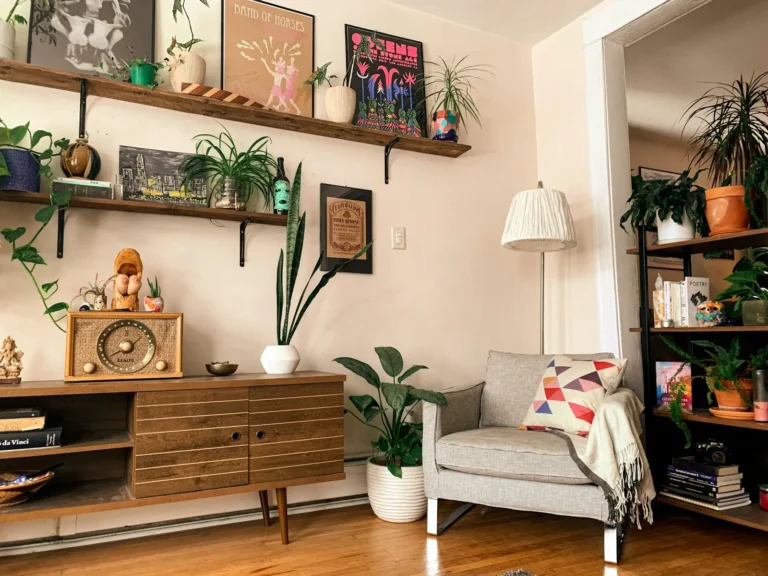
The floor is finite and the walls are mostly empty. Every item you can move off the floor and onto a wall, a door, or a high shelf is floor you get back, and floor is what makes a small space feel open. Before buying a single organizer, look up: the wall above the toilet, the back of every door, the air above the kitchen cabinets, the space over the desk. That is where the storage you are missing already exists. The whole small apartment storage ideas hub is built on this one idea, mapped room by room.
2. Make every piece of furniture do two jobs
In a small apartment, a piece that does one job is a piece that is wasting its footprint. The coffee table should store as well as hold your coffee; the bed should claim the space underneath it; the ottoman should open. When you are buying furniture for a small rental, the storage version of a piece is almost always worth the small premium, because it hands you back floor instead of taking it. This is the whole case behind the hidden storage furniture guide: dual-purpose pieces that earn their footprint twice.
3. Claim the dead space you are walking past
Every apartment is full of space that is technically there and functionally invisible: the gap beside the fridge, the strip under the bed, the back of the bathroom door, the slot between the toilet and the wall. None of it shows up when you think about storage, and all of it adds up. The single biggest piece of dead space in most rentals is under the bed, which is why the under-bed storage ideas guide treats it as a closet you already own and are not using.
4. Decant and contain so a space looks calm
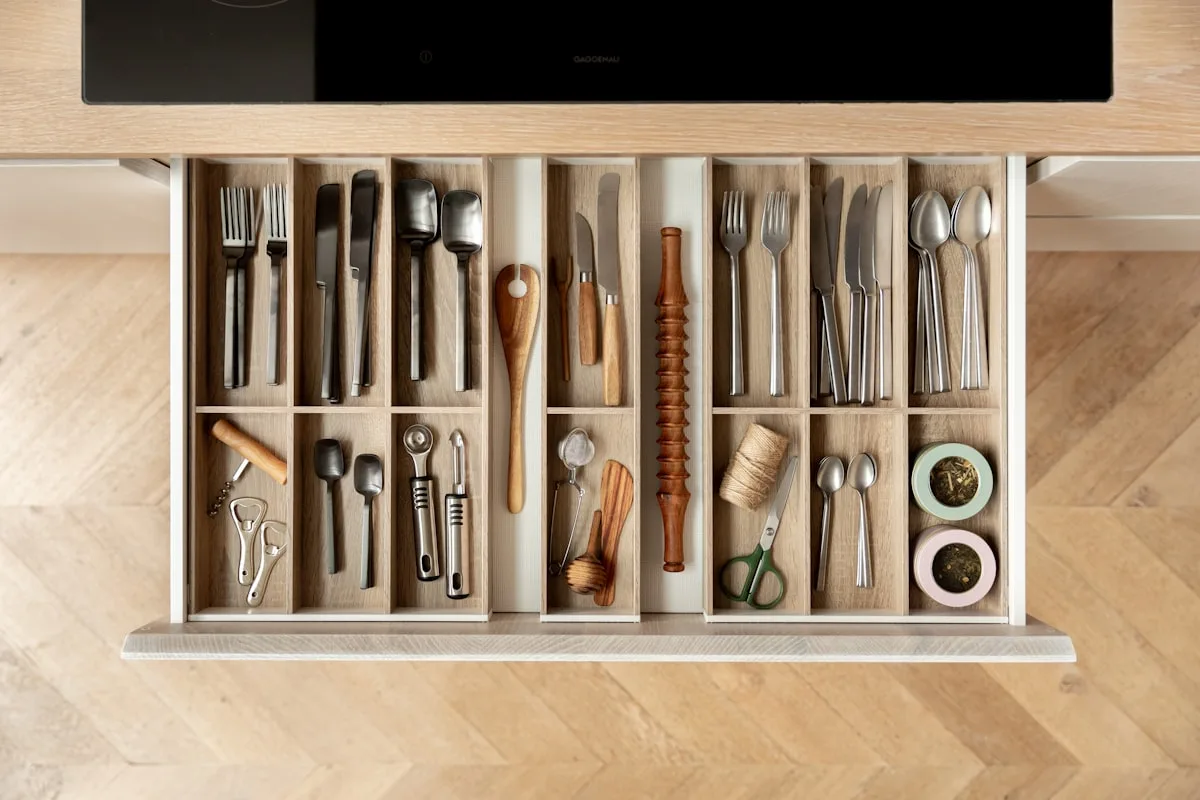
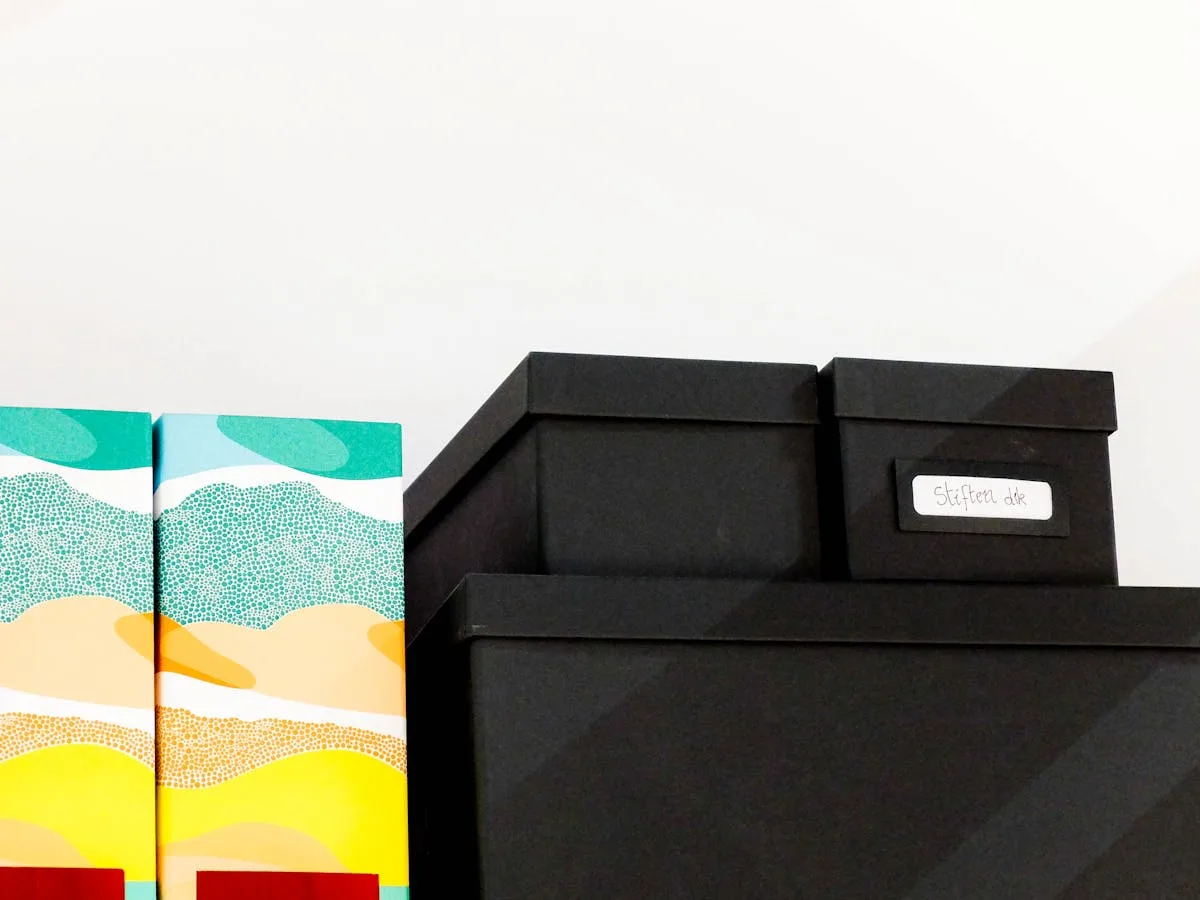
A shelf of mismatched boxes, bags, and original packaging reads as clutter even when it is perfectly organized. The same shelf with matched bins reads as calm. There is a practical payoff too: contained items are easier to pull out and put back, which is what makes an organizing system survive past week one. Clear bins for things you need to find, opaque bins for things you want hidden.
5. Store things where you use them, not where they fit
The most common organizing mistake in a small apartment is storing things by where there is room instead of by where they get used. In a micro-kitchen with two cabinets, it is tempting to put the big pasta pot in the bedroom closet because that is where the space is, and then you quietly stop making pasta because the pot is a room away. Keep the mugs by the kettle, the cleaning spray in the room it cleans, the daily shoes by the door. A system that fights your habits falls apart on its own; one that follows them holds without any willpower. Where you put a thing matters as much as whether it has a home at all.
6. Use tension, adhesive, and freestanding instead of drilling
Renters have a constraint homeowners do not: you cannot drill, and you want your deposit back. The good news is that nearly every vertical storage move has a no-damage version. Tension rods spring between walls with no hardware, adhesive hooks hold real weight and release clean, and freestanding pieces lean or stand without a single hole. The how to hang things without nails guide breaks down which method holds what weight, so the wall storage in principle one never costs you the deposit.
7. Give the entry a drop zone, even if there is no entry
In most rentals the front door opens straight into the living room, and without a defined spot for keys, mail, shoes, and bags, all of it lands in a heap on the nearest surface. A small drop zone, a slim console, a few hooks, a basket, stops the daily pile before it spreads across the apartment. The entryway storage ideas guide builds one out of nothing in the two-foot strip by the door, with no drilling.
8. Double your hanging and divide your shelves
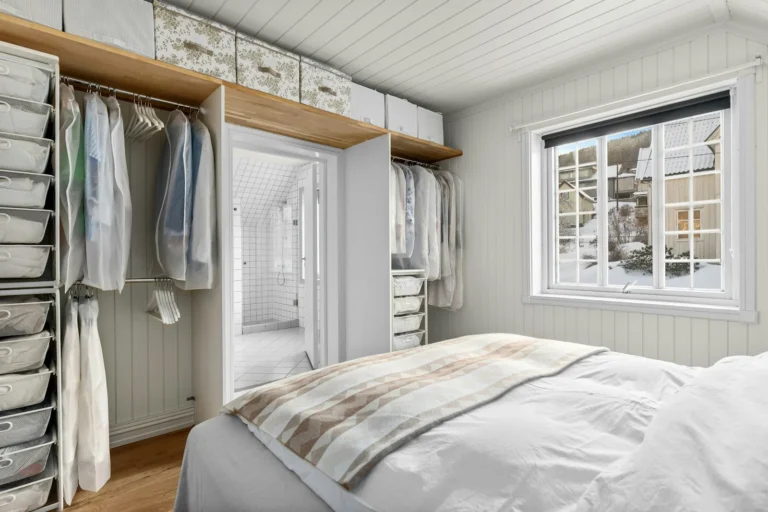
Closets and shelves almost always have wasted vertical space hiding in plain sight: the empty air under hanging shirts, the dead gap above a stack of folded clothes. A second hanging rod doubles the closet; shelf dividers stop the avalanche and let stacks stand on their own. These small interventions cost little and routinely take a packed closet to half-empty, which is the whole point of the apartment closet organization guide.
9. Keep flat surfaces clear on purpose
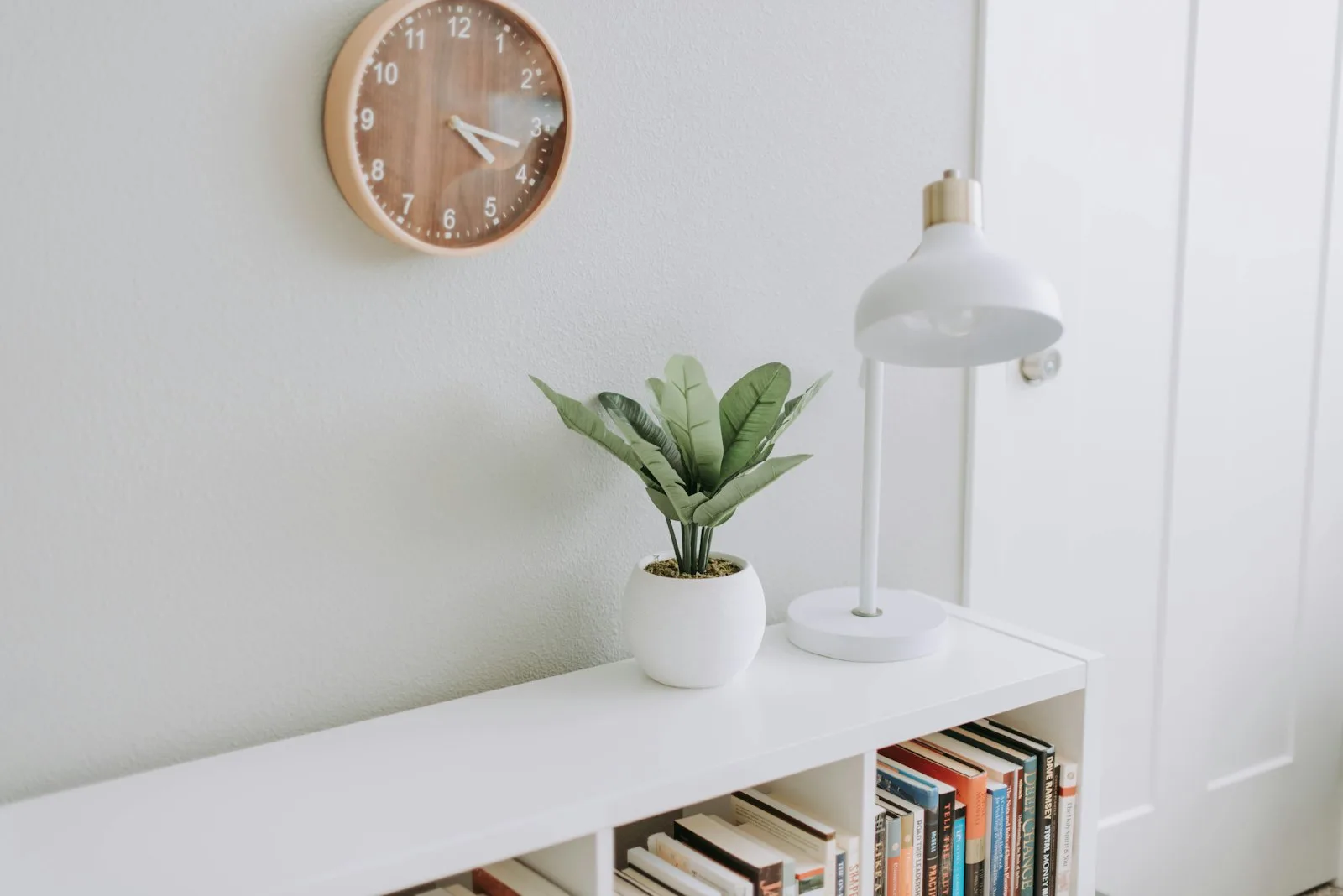
This is the principle that ties the other eight together, and the one that makes the difference you actually see. A small apartment reads as organized or chaotic almost entirely by its flat surfaces: the counter, the coffee table, the dresser top, the nightstand. When everything else has a home off the surfaces, the surfaces stay clear, and a clear surface is what the eye reads as space. The goal of all the storage below is not storage for its own sake. It is empty counters and a coffee table with nothing on it but the coffee.
Where to start
Nine principles is a lot to apply at once, so do not. Start with the surfaces, principle nine, because it is the change you see immediately: clear the counter and the coffee table, and notice how much bigger the room feels with nothing on them. Then work backward to find homes for what you just moved, going vertical first. The room-by-room guides in the small apartment storage ideas hub take it from there, one space at a time, so you are not trying to reorganize the whole apartment in a weekend.
Frequently asked questions about small space organization
How do I organize a small apartment with too much stuff?
Start by clearing the flat surfaces and giving everything a home off the floor and counters, working vertically up the walls and doors before buying organizers. Make furniture do double duty, claim the dead space under the bed and behind doors, and contain loose items in matched bins. If the stuff genuinely exceeds the space after that, the next step is decluttering, not more storage.
What is the most important principle of small-space organization?
Going vertical. The floor is finite and the walls are mostly empty, so every item you move off the floor and onto a wall, door, or high shelf gives back the floor space that makes a small apartment feel open. Most cramped apartments are organized in two dimensions when they could be working in three.
How do renters organize without damaging the apartment?
Use tension rods, adhesive hooks, and freestanding pieces instead of anything that needs drilling. Tension rods hang between surfaces with no hardware, quality adhesive hooks hold real weight and peel off clean, and freestanding furniture leaves no marks. Nearly every wall-storage move has a no-damage version that protects the deposit.
Why does my small apartment still feel cluttered after organizing?
Almost always because the flat surfaces are not clear. A room reads as cluttered or calm based on its counters, tables, and dresser tops, so if those hold piles, the apartment looks messy even when the closets are perfect. Get everything off the surfaces and into a home, and the same apartment reads as organized.
Do I need to buy a lot of organizers for a small space?
No, and buying organizers first is a common mistake. The free moves, clearing surfaces, going vertical, doubling a closet rod, storing things where you use them, do most of the work. Buy containers only after you know what needs a home and where, so you are matching the bin to the job instead of guessing.
A small apartment feels twice its size when the stuff is working in three dimensions and the surfaces are clear. Start with the counters, go vertical, and let each room get its own treatment. The small apartment storage ideas hub maps every space, and the room guides, from the closet to under the bed to the entryway, make each principle specific.
Get the renter's first-apartment checklist
Small-space decor ideas for renters, straight to your inbox.
This post contains affiliate links. If you buy through one I may earn a small commission at no cost to you. The first kitchen where I tried this was a one-bedroom in Austin with a galley layout and a builder-grade off-white wall behind the stove that had been catching pasta-sauce spatter for years. The previous…
The dual-purpose furniture that earns its footprint twice in a small rental: 8 storage picks from ottomans to ottoman beds, the one set to skip, and the buying checks that separate lasting from landfill.
A renter-friendly guide to finding storage a small apartment is hiding: under the bed, up the walls, behind the doors, with no drilling and nothing to patch at move-out.
Eight renter storage picks for a small bedroom: under-bed bins and risers, closet doublers, and storage furniture that adds space without taking floor.
Manage Consent
To provide the best experiences, we use technologies like cookies to store and/or access device information. Consenting to these technologies will allow us to process data such as browsing behavior or unique IDs on this site. Not consenting or withdrawing consent, may adversely affect certain features and functions.
Functional
Always active
The technical storage or access is strictly necessary for the legitimate purpose of enabling the use of a specific service explicitly requested by the subscriber or user, or for the sole purpose of carrying out the transmission of a communication over an electronic communications network.
Preferences
The technical storage or access is necessary for the legitimate purpose of storing preferences that are not requested by the subscriber or user.
Statistics
The technical storage or access that is used exclusively for statistical purposes.The technical storage or access that is used exclusively for anonymous statistical purposes. Without a subpoena, voluntary compliance on the part of your Internet Service Provider, or additional records from a third party, information stored or retrieved for this purpose alone cannot usually be used to identify you.
Marketing
The technical storage or access is required to create user profiles to send advertising, or to track the user on a website or across several websites for similar marketing purposes.