Removable Wallpaper for Renters: A No-Drama Guide to the Three Types That Actually Peel Off Clean
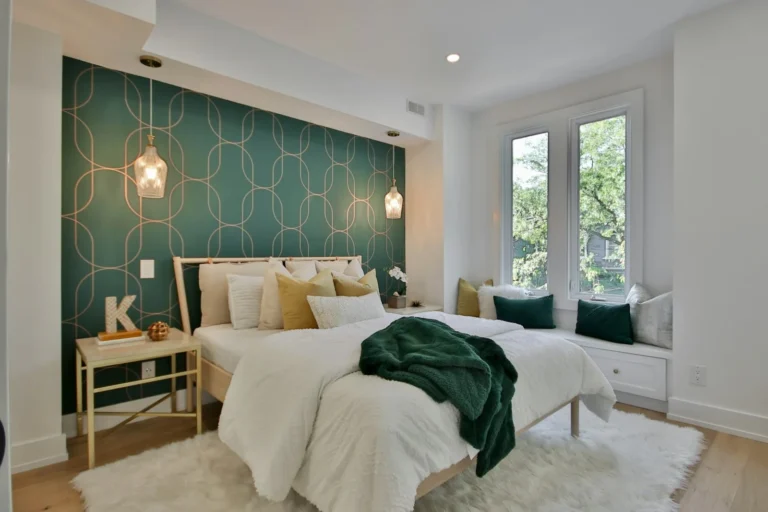
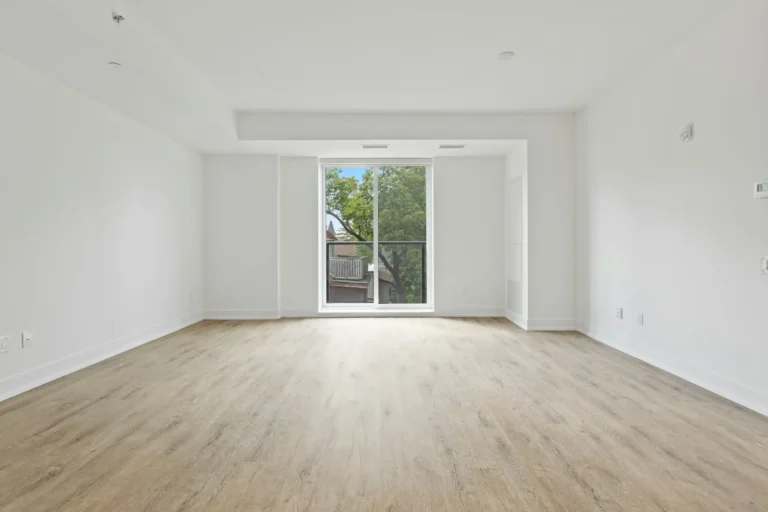
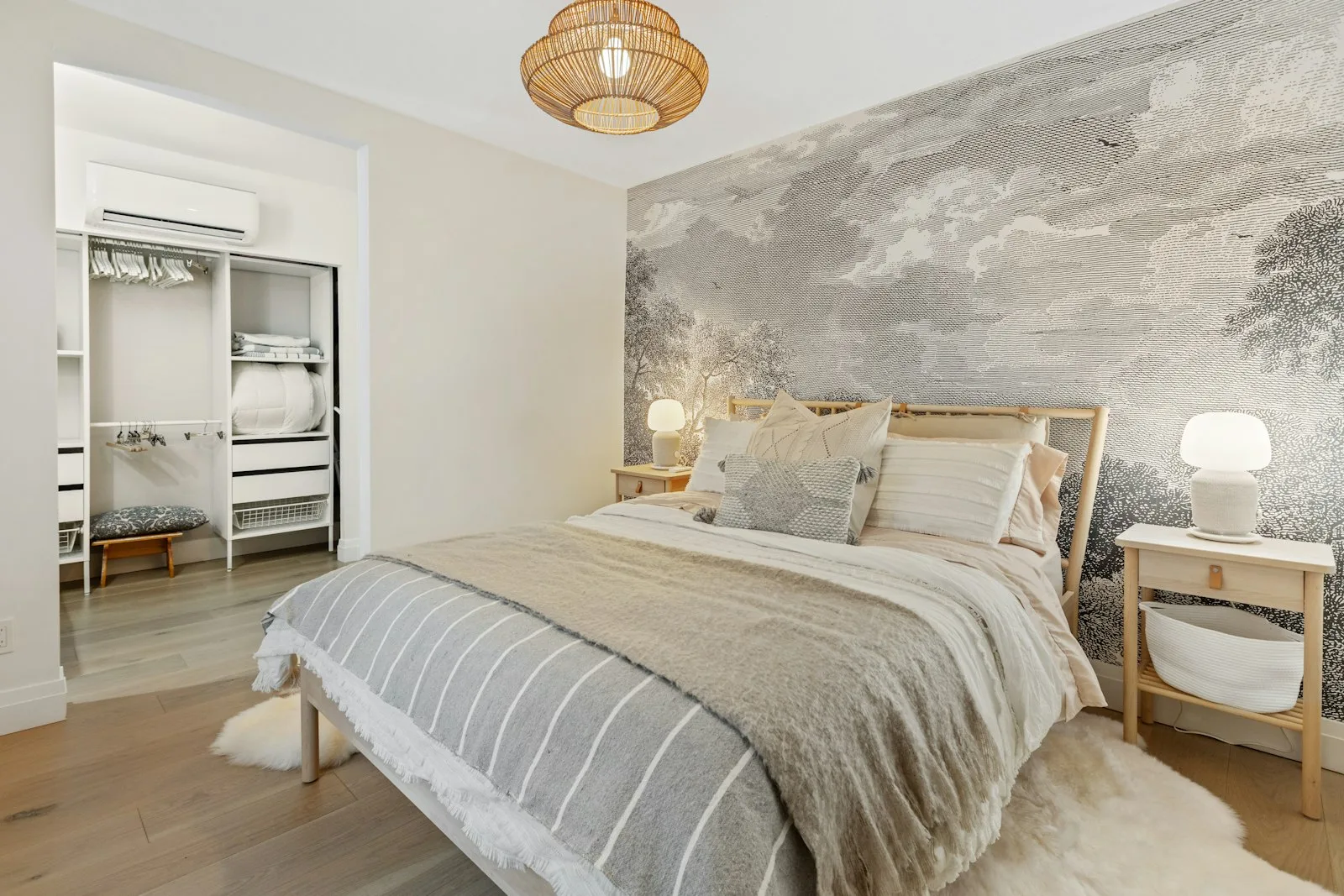
The sad tan builder-beige in your bedroom looks worse in the morning light than it did at the showing, and the lease clause about “no painting, no holes” reads like a riddle when you’re standing there with a Pinterest tab open. Removable wallpaper is the obvious answer, except every brand swears their version is the easy one and most of them are talking about a different adhesive entirely. It actually does work. You just need to know which type you are buying and what it expects from your wall.
Renters lose money to wallpaper not because the wallpaper is bad, but because “removable” covers three completely different products. Vinyl peel-and-stick behaves nothing like water-activated non-woven, which behaves nothing like a paste-the-wall “temporary” wallpaper sold in design shops. Each one has a sweet spot and a way to fail, and the right pick for your rental depends mostly on what your walls look like and how long you plan to stay.
Below: the three families, where each one shines, and what to expect at install and removal. For specific vinyl brand picks (NuWallpaper, Tempaper, Chasing Paper, and others), our best peel-and-stick wallpaper roundup goes deeper on the names.
What “removable wallpaper” actually means
It is not one product. The phrase covers three adhesive families, and the differences matter the moment you go to take it off.
Most people picture vinyl peel-and-stick when they hear “removable wallpaper”: the giant-sticker format with a pressure-sensitive adhesive (PSA) on the back. It is the fastest install and the most common rental choice. There is also non-woven prepasted wallpaper, which uses a water-activated paste built into the back, and paste-the-wall traditional removable wallpaper, which is professional-grade material sold specifically with a removable adhesive system. Both of the second two are usually rated for longer wear (3 to 7 years) and tend to handle textured walls better than vinyl.
Knowing which one you are about to install is half the work. The same wall can love one type and reject another.
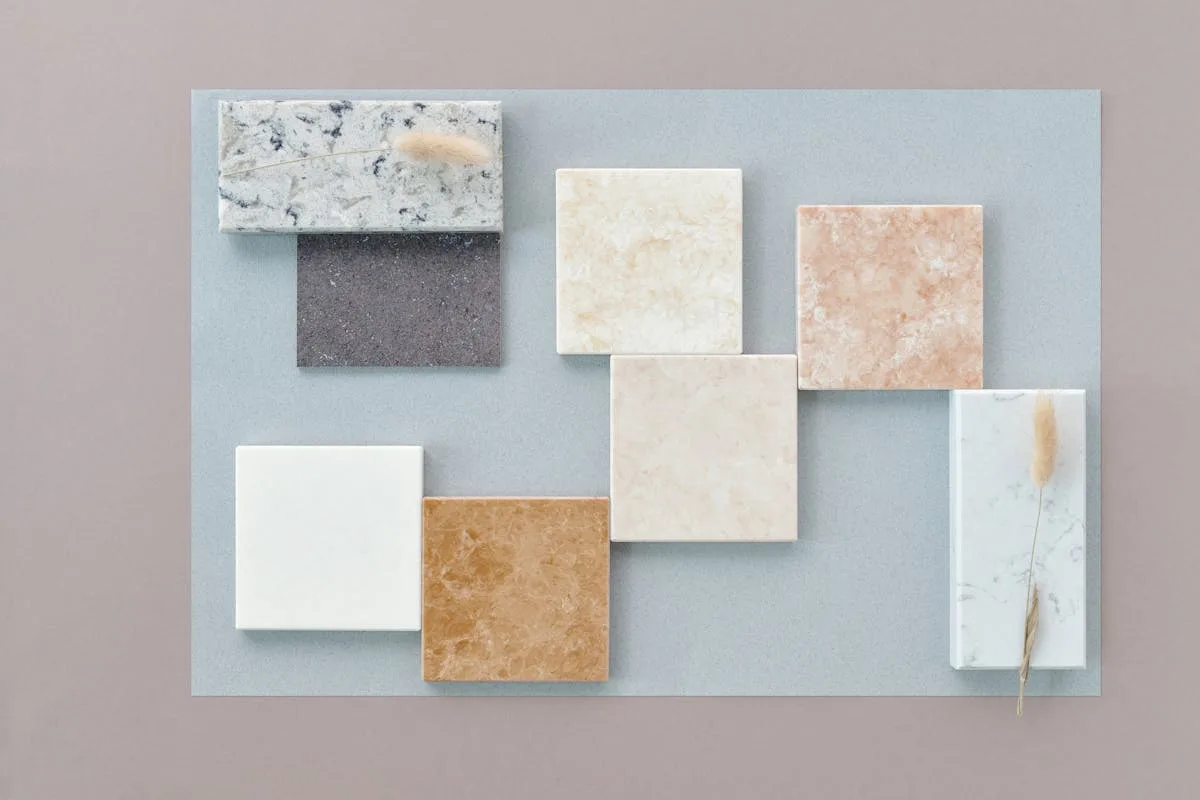
The three families of renter wallpaper
Vinyl peel-and-stick (pressure-sensitive adhesive)
Cuts off the roll, peels off the backing, sticks to the wall like a giant decal. Repositions while you smooth it, sets within a few hours, peels off in long strips when you move. Best for smooth painted drywall, accent walls of one or two panels, and any rental where you want zero water or paste anywhere in the room. Worst for heavily textured walls (orange-peel and knockdown both fight the adhesive), recently painted walls under 30 days cured, and bathrooms with daily steam.
This is also the format most renters end up buying first, partly because Amazon shows it first and partly because no tools are needed beyond a level, a smoothing tool, and a sharp utility knife.
Non-woven prepasted (water-activated)
A spunbond polyester-cellulose backing with a paste already baked in. You wet the back with a damp sponge or a quick spray of water, let it “book” (fold paste-to-paste) for the manufacturer-specified rest time (usually 3 to 5 minutes), then hang it. It bonds firmly, lays flatter on textured walls than vinyl PSA, and soaks off clean with warm water and a putty knife when you remove it.
Brands worth knowing: Spoonflower (their “Pre-Pasted Removable Smooth Wallpaper”) and York. The trade-off is more setup (you need a paste tray or large flat surface to book the paper) and a longer install time.
Paste-the-wall removable (professional)
The third option is what designers actually use when they want a wallpaper to last five to seven years on a rental wall and still come off cleanly. Brands like Walls Republic sell paste-the-wall removable wallpaper that uses a starch-based or proprietary removable adhesive, applied directly to the wall (not the back of the paper). Removal involves rolling water on the wall to dissolve the paste, then peeling the dry sheet off intact.
Trade-off: requires roller, paste, and 30 to 60 minutes more install time than vinyl. Wins: best for textured walls, best for full-room installations, best lifespan.
How the three families compare
| Family | Adhesive | Surface compatibility | Typical lifespan | Removal method | Tools needed |
|---|---|---|---|---|---|
| Vinyl peel-and-stick | Pressure-sensitive (acrylic PSA) | Smooth painted drywall | 2-4 years | Pull at low angle | Level, smoother, knife |
| Non-woven prepasted | Water-activated paste | Smooth and lightly textured | 3-5 years | Soak with warm water | Sponge, paste tray, knife |
| Paste-the-wall removable | Starch-based removable | Smooth, textured, plaster | 5-7 years | Roll water on wall, peel | Roller, paste, knife |
Vinyl PSA holds by physical adhesion to the painted surface, which is why it has the strictest cure-time requirement: most major manufacturers (Tempaper, NuWallpaper, Chasing Paper) specify a minimum of 30 days after any new paint, with 60 days ideal. Water-activated paste bonds with the cellulose in the paint and paper, and reactivates with moisture for removal, so it forgives newer paint more but does not love a wall that has been recently primed. Paste-the-wall sits between the two and is forgiving of almost any properly cured surface.
Which type fits your rental
Same three families, different rooms.
Smooth painted drywall (the easy case)
Most modern apartment walls. Any of the three types will work, but vinyl PSA is the fastest and cheapest install. Pick this one unless you have a reason to swing to non-woven (longer planned stay, want to cover the whole room) or paste-the-wall (very tall walls, design-grade pattern you want to last).
Textured walls (orange-peel, knockdown)
Vinyl peel-and-stick struggles here. The texture pushes air pockets under the vinyl and the adhesive only contacts the high points of the texture, which means seams lift and edges curl within months. Non-woven prepasted handles light texture much better because the cellulose paste fills the low spots. Paste-the-wall is the safest pick for heavy texture and lasts longest.
Worth a sample roll on any textured wall before committing to a full room.
Bathrooms and kitchens (humidity)
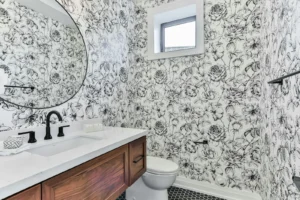
Daily steam and condensation are the natural enemy of PSA. Vinyl seams lift, edges peel, and adhesive can transfer to the wall paint. Non-woven and paste-the-wall both fare better in damp rooms but are not invincible. For any wallpaper in a full bathroom or directly behind a stove, plan to seal the seams with a clear matte wallpaper sealer (Roman, Polycell), and budget on a 2- to 3-year lifespan max regardless of family.
If you really want pattern in a wet zone, install on a side wall or vanity panel. The wall directly behind a shower is a losing fight.
Apartments with old paint (the adhesion gotcha)
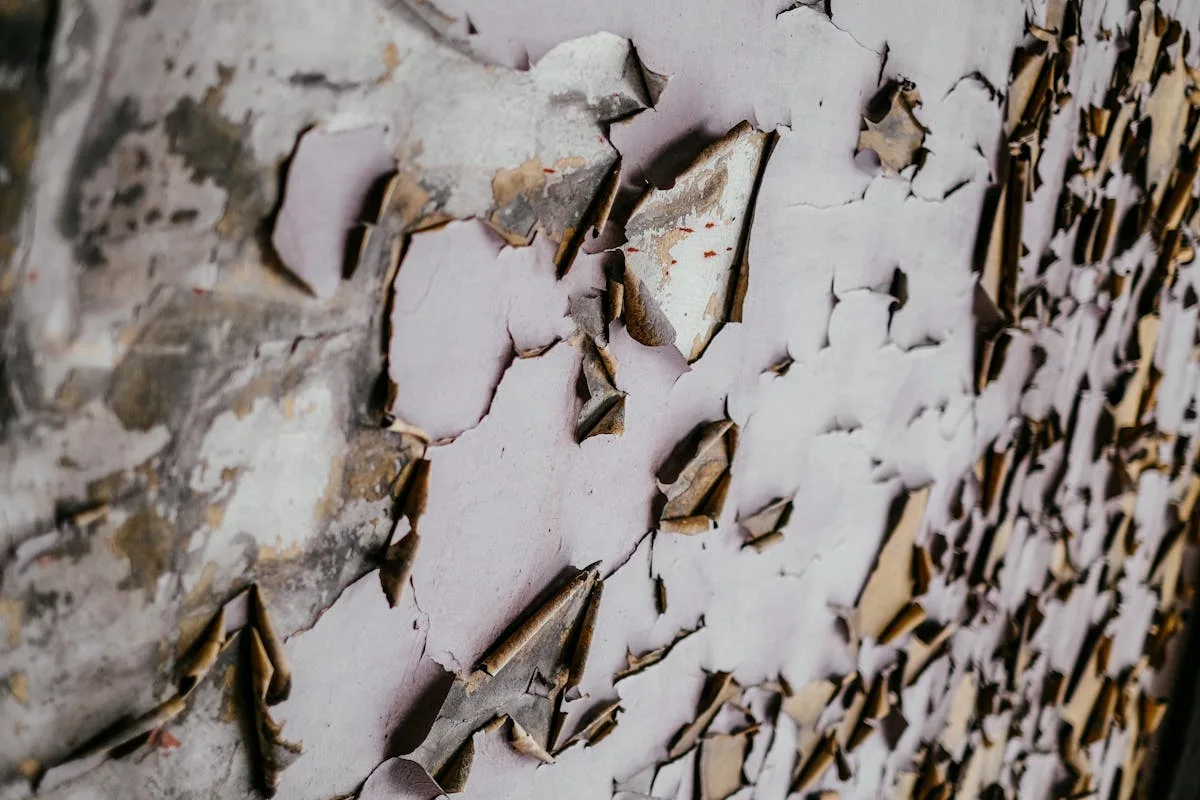
Old, dust-coated, or oil-based paint surfaces underperform with all three families, especially vinyl PSA. A test patch in a hidden corner saves you a $300 mistake. Wipe a small area with rubbing alcohol first, stick a sample panel for 24 hours, then test the removal. If the paint comes with it, do not install the full roll. Painters tape and primer are not safe shortcuts; “removable” wallpaper bonded to dust-flecked paint will pull dust-flecked paint right off.
Short-term rentals (1-3 years) vs. long stays
If you are in a place for under two years and want one accent wall, vinyl peel-and-stick is almost always the right move: faster, cheaper, and the lifespan matches the lease. For a 3- to 7-year stay or a whole-room install, the cost of paste-the-wall (more time + more product) pays off in longevity and forgiving textured walls.
How to install renter wallpaper without ruining the wall
The same install rules apply across all three families. Skip them at your wallet’s peril.
Clean the wall with a damp cloth and a degreaser (rubbing alcohol works for most surfaces). Let it dry fully. Check the paint age: paint younger than 30 days gets a sample roll only. Check the room temperature: 65 to 75°F is the sweet spot for both PSA and water-activated adhesives. Humidity inside the room should be moderate (40 to 70% relative humidity); outside that window, paste cures unpredictably and PSA loses tack.
A test patch in a low-visibility spot, 24 hours minimum, catches almost every “this wallpaper will not stick” complaint before you have invested $200 in panels.
When hanging, plumb the first panel with a level, not the wall (rental walls are rarely plumb). Smooth from the center outward with a felt squeegee, keeping pressure even. Overlap seams by 1/16 inch on PSA and butt them flush on water-activated. Round outside corners with a sharp blade; do not try to wrap a corner with one panel.
Removal: what actually happens to your paint
The cleanest part of the process, if you installed correctly.
For vinyl PSA, start at a top corner and pull down and toward you at as low an angle as you can manage, close to parallel with the wall. The vinyl strips off in long pieces. If adhesive residue stays behind, wipe with rubbing alcohol; do not use Goo Gone on painted walls without a test patch.
For water-activated non-woven, spray or sponge warm water along the seam edges, wait 5 to 10 minutes, then peel. The paste softens and releases. A plastic putty knife helps lift the corner.
For paste-the-wall removable, roll water across the dry wallpaper surface (some brands have a specific activator solution), wait 10 to 15 minutes, then peel the entire sheet off the wall in one piece. The starch paste rinses off the wall with warm water and a clean rag.
The one consistent enemy of clean removal is uncured paint underneath. If the paint was less than 30 days old at install, you may pull paint with the wallpaper regardless of family. The fix is patient corner-pulling, low-angle technique, and a Magic Eraser for adhesive transfer.
Renter wallpaper brands by family
A short cheat sheet. For deep brand reviews of vinyl peel-and-stick, see our best peel-and-stick wallpaper roundup.
For vinyl peel-and-stick: NuWallpaper (widely stocked, budget-friendly), Tempaper (premium prints, thicker vinyl), Chasing Paper (designer patterns), RoomMates (cheap and cheerful, Costco/Target distribution), Walls Republic (premium designer).
For non-woven prepasted: Spoonflower (huge pattern library, on-demand), York Wallcoverings (traditional patterns, classic brand).
For paste-the-wall removable: Walls Republic (their “removable” line), Wallquest (designer, professional install), Hygge & West (some patterns, traditional install).
Order a sample first. Almost every brand sells a $2 to $5 sample swatch or a 12×12 inch test piece; that small investment catches mismatches in tone and prevents you from learning your wall is wrong the hard way.
Frequently asked questions about removable wallpaper for renters
Will my landlord notice the wallpaper was there?
Not if you installed and removed it correctly. The whole point of the removable adhesive system is that, done right, the wall looks the way it did before. “Done right” means the wall was clean, the paint had cured, and you peeled at a low angle, slowly. Move-out managers in our rental history have not noticed a single properly removed wallpaper install. They notice the toothpaste-in-the-nail-hole trick.
Does removable wallpaper come off cleanly from textured walls?
It can, but it depends on the family. Vinyl peel-and-stick on textured walls often pulls paint flakes from the high points of the texture; non-woven prepasted releases cleaner because water re-softens the paste; paste-the-wall is designed for textured surfaces and removes most reliably. If your walls are heavy orange-peel or knockdown, skip vinyl unless you are willing to risk touch-up paint at move-out.
How long does removable wallpaper actually last?
Vinyl peel-and-stick: 2 to 4 years on smooth drywall in normal indoor conditions. Non-woven prepasted: 3 to 5 years. Paste-the-wall removable: 5 to 7 years. Humidity, sunlight (especially direct south-facing windows), and high-traffic zones (stair walls, behind a frequently moved chair) cut all three numbers roughly in half.
Can I paint over removable wallpaper before moving out?
No. The paint will not stick reliably, the seams will telegraph through, and the landlord will see it. The cheapest fix for a wall you wallpapered and now want to “hide” is to remove the wallpaper cleanly and, if you took chips off the paint, do a small touch-up with the original wall color. Most leases let you do that yourself; some require the landlord to handle it.
Can I put removable wallpaper inside closets, on cabinet doors, or in drawers?
Yes, and the hidden surfaces are some of the most fun places to use it. Closet back walls, the inside of a Billy bookcase, the front face of a vanity cabinet, and the interior floor of a dresser drawer all take peel-and-stick beautifully because they are flat, dry, and out of direct sunlight. Drawer interiors in particular survive longer than wall installs since nothing rubs against them. Use any of the three families here; vinyl PSA is usually the simplest pick for these small surface areas.
That sad tan builder-beige in your bedroom does not have to stay sad. A sample roll for $3 tonight, a level and a felt squeegee on the way home tomorrow, and by next weekend that long focal wall is the reason your apartment feels like yours again. When you are ready to pick a specific brand, our best peel-and-stick wallpaper roundup ranks the names worth ordering and the ones to skip. And if wallpaper feels like too much commitment, our renter-friendly wall decor guide covers the lighter-touch options.
For the floors, ceiling, bathroom, and hanging questions that come after the wallpaper choice, our renter-friendly decor hub covers the rest of the apartment.