This post contains affiliate links. As an Amazon Associate I earn from qualifying purchases.
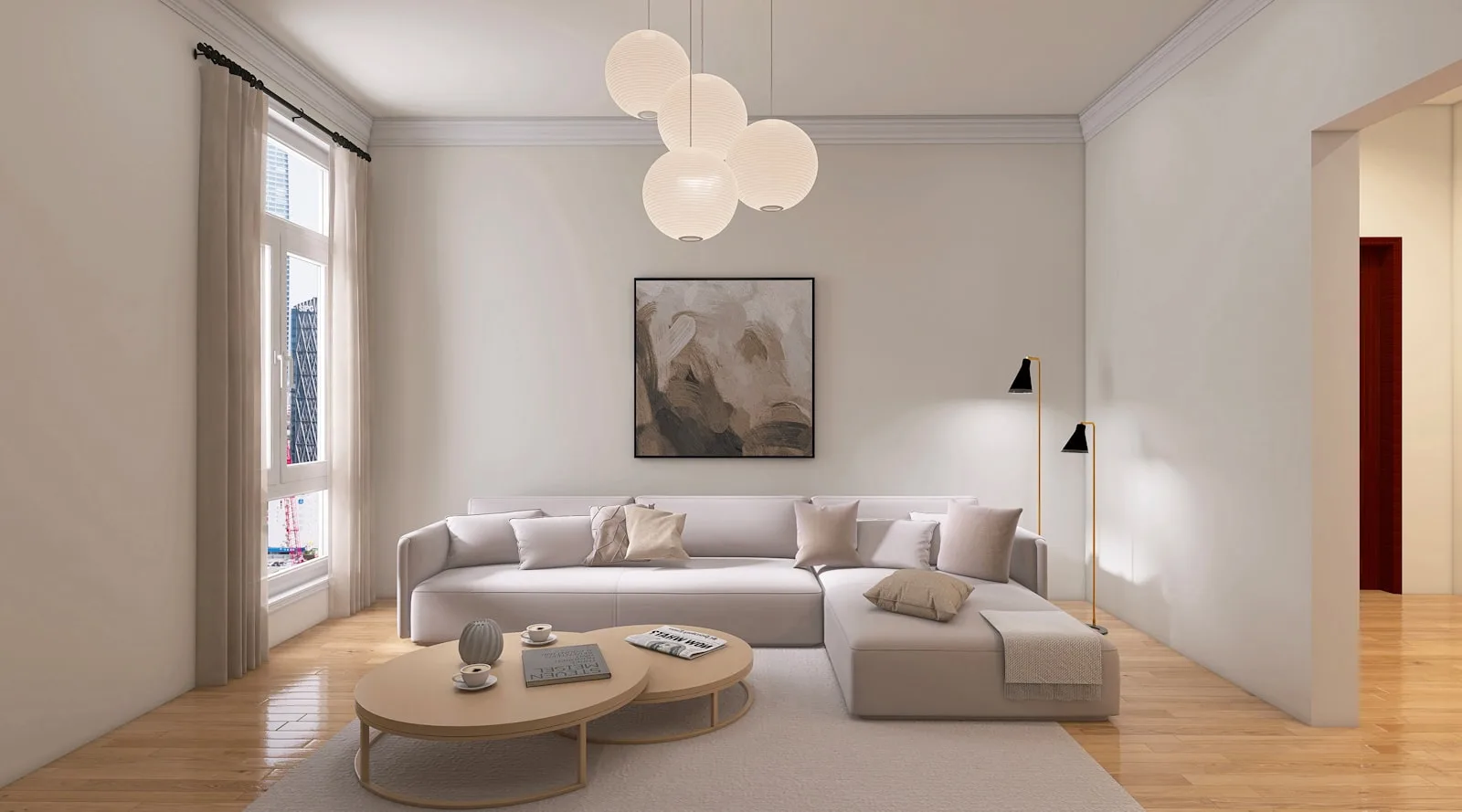
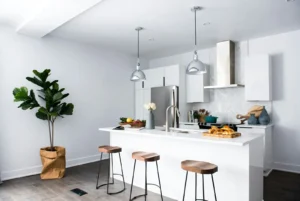
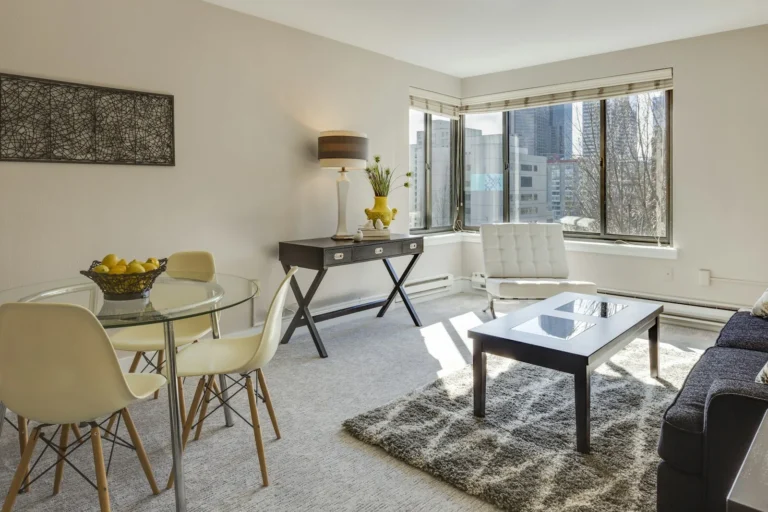
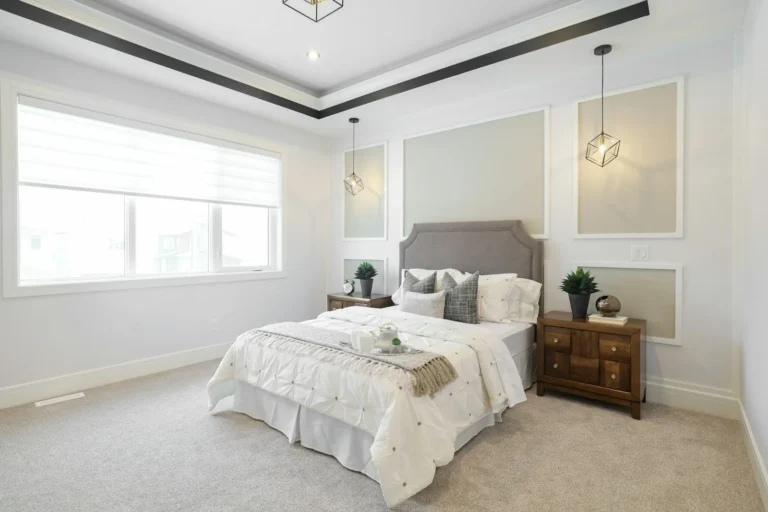
You saved the photo of the serene apartment: pale walls, one low sofa, a single branch in a tall vase, and what feels like an acre of calm empty floor. Then you look at your actual place and there is a tangle of three chargers on the counter, a drying rack you have nowhere to store, mail on every flat surface, and a coffee table doing the job of a filing cabinet. The serene photo and your Tuesday are not in the same universe.
The empty look is not really about owning less. It is about hiding the evidence of a normal life. That serene apartment has a junk drawer too; you just cannot see it. Minimalist decor is less a shopping project than a where-does-this-go project, and once you understand that, a small rental is actually an easy place to pull it off.
This is the renter version, aimed at a real apartment with real stuff in it, no paint and no built-ins required.
Most minimalism advice tells you what to buy. The honest version tells you where to put the things you already own, because a minimalist room is just a room where everything has a home and the homes are out of sight.
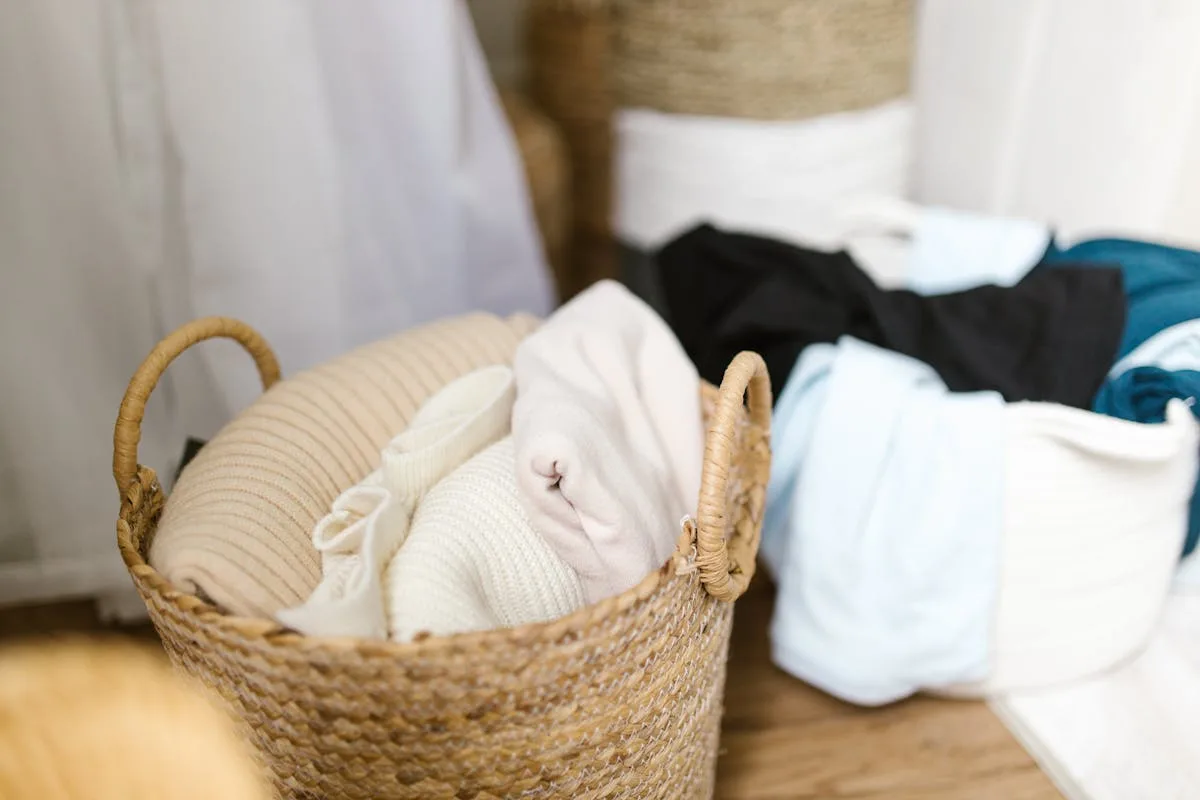
Before you buy a single decorative object, solve the storage. A closed cabinet instead of open shelves. Baskets that swallow the blankets and the cords and the random chargers. Under-bed bins for the seasonal clothes the rental closet cannot hold. A small lidded box by the door for keys and mail. In a rental you cannot build storage into the walls, so it has to be furniture and containers that earn their footprint, ideally pieces that hide clutter rather than display it. Spend here first. The decor is the easy part once the mess has somewhere to go.
Tame the cords, win half the battle
This is the unglamorous secret of every minimalist photo you have ever envied: there are no visible cables. Nothing tanks a calm room faster than a nest of black cords snaking down from the TV and a power strip glowing on the floor.
Run the cables along baseboards with a cord channel or a few adhesive clips, tuck the power strip into a cable-management box (a closed box that hides the strip and the excess wire, usually under twenty dollars), and bundle what is left with simple ties. Charge phones in a drawer instead of on the counter. It is fifteen dollars and twenty minutes of work, and it does more for the minimalist look than any vase you could buy. The eye reads a room with no visible cords as instantly more expensive and more calm.
A neutral palette with one warm material
Minimalism goes wrong when it goes cold. All-white, all-gray, all-hard-surfaces, and the room stops feeling serene and starts feeling like a dentist is about to call your name. The fix is warmth, and it costs nothing extra.
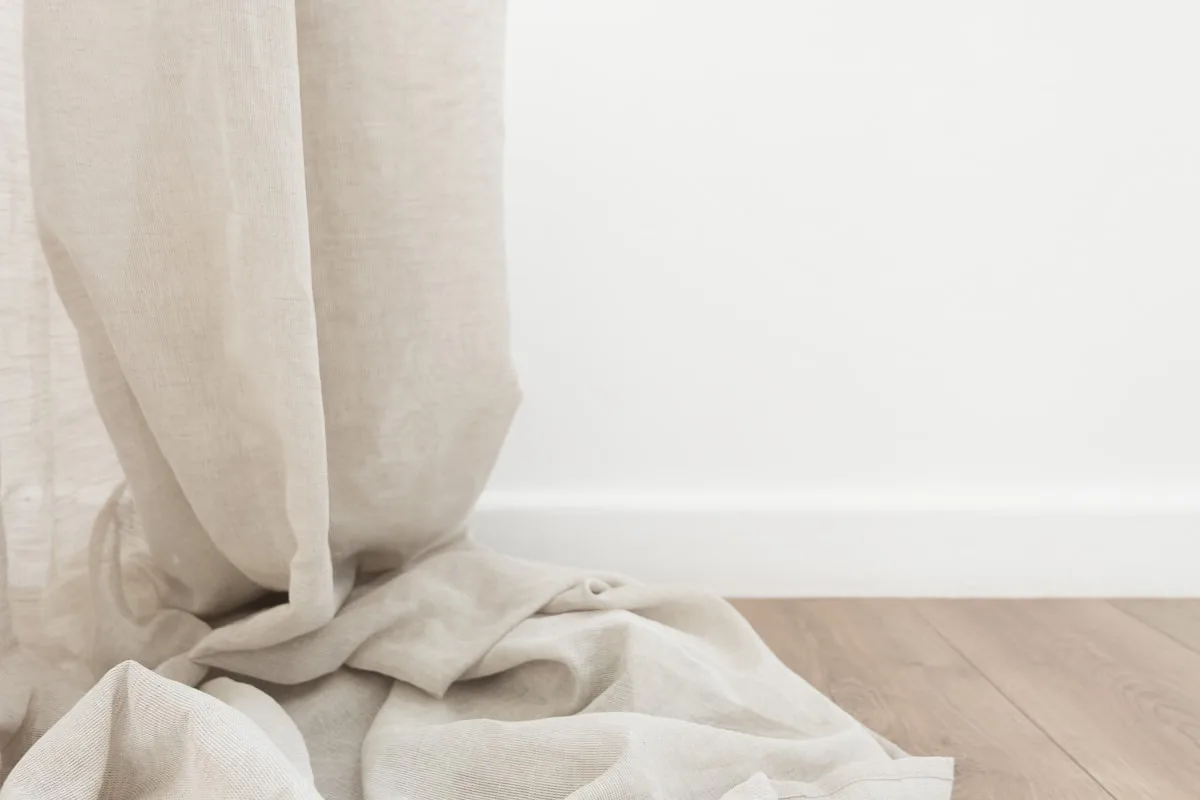
Keep the palette tight and neutral, but make sure one warm natural material runs through it: light wood, oatmeal linen, a pale jute rug, a wool throw. The warmth is what separates a calm minimalist room from a sterile one. A single oak stool, a linen slipcover, a wood-handled anything, and the same spare room feels intentional and inviting rather than unfinished.
One piece of art, large, leaning
Minimalism does not mean bare walls. It means few, well-chosen things, and one large piece of art carries a minimalist room better than a scatter of small frames ever could.
Pick one oversized print or canvas, neutral or quiet in color, and rather than drilling a gallery wall, lean it against the wall on the floor behind the sofa or on top of a low cabinet. Leaning art is a renter gift: no holes, no anchors, easy to move, and it happens to suit the relaxed-but-deliberate minimalist mood perfectly. If you do want it on the wall, the right adhesive strips will hold a light frame, and the renter-friendly wall decor guide covers the no-nail options.
Light and texture keep it from going flat
Two final moves keep a spare room from feeling empty instead of edited. The first is layered, warm lighting, the same lamps-over-overhead rule that carries every aesthetic, because flat ceiling light makes a minimal room look like an unfurnished listing. The second is texture, since a room with little color and few objects needs its materials to do the talking. A nubby cushion, a chunky knit throw, a matte ceramic vase, a rougher rug underfoot. Quiet to the eye, interesting to the hand. That contrast is what makes the restraint feel like a choice.
The minimalist pieces worth buying
Minimalism is the one look with a short shopping list, and half of it is the boring half. The money goes where the calm photos hide it: into killing the cords and giving clutter a home, then into one or two pieces good enough to stand alone in a near-empty room. All renter-safe, nothing drilled in. Prices are rough street ranges, not live quotes.
What it actually costs
Minimalism is the rare aesthetic where the decor is nearly free and the spending goes somewhere unglamorous. You are not buying a lot of objects, so the budget lands on storage and on one or two quality pieces. A cable box and cord clips run under thirty dollars total. A few good baskets and an under-bed bin set, fifty to a hundred. One large piece of art, twenty to sixty if you shop prints. The warm-material upgrades come from swapping what you already have for slightly nicer textures over time, not buying all at once.
Solve the storage, kill the cords, warm it up, and add one big quiet thing on the wall. If the spare look starts to feel too severe once you live in it, a slightly warmer, woodier cousin like a Scandinavian setup keeps the calm but adds hygge, and a moodier dark academia room goes the opposite way entirely. The full menu is in the apartment aesthetic guide.
Frequently asked questions about minimalist apartment decor
How do I decorate a minimalist apartment on a budget?
Spend on storage and skip the objects. A minimalist room is mostly about hiding daily clutter, so put your money into closed cabinets, baskets, and under-bed bins that give everything a home out of sight, plus a cable box to kill visible cords. Then add one large piece of art and one warm material like wood or linen. The look comes from restraint and order, not from a long shopping list.
Why does my minimalist apartment feel cold and empty?
Usually because every surface is hard and every color is cool, so there is nothing for the eye or the hand to warm up on. Cold overhead light makes it worse, flattening the whole room into one shadowless gray. The fix is to bring in one warm natural material and swap the ceiling light for warm-bulb lamps. A room can be nearly empty and still feel calm rather than clinical, as long as something in it is soft and warm.
Is minimalism good for small apartments?
Very. A small space has less room for clutter to hide, so the discipline of giving everything a home and keeping surfaces clear pays off fast, and the visual calm makes the square footage feel larger. The catch is that minimalism in a small apartment depends entirely on good storage, since there is nowhere to stash the overflow.
How do I make a minimalist room without it looking boring?
Lean on texture and one strong focal point instead of color and quantity. Contrast in materials, something matte beside something nubby beside something that catches the light, gives the eye interest without adding clutter, and one large piece of art or a single sculptural chair anchors the room. Boring comes from a room that is empty and flat; interesting comes from a room that is spare but layered in texture.
Can renters do minimalist decor without painting?
Yes, and minimalism is one of the easiest looks to rent into, because it leans on a neutral palette that most beige and white rental walls already fit. You work with the existing wall color, add warmth through wood and textiles, lean your art instead of drilling, and put the real effort into storage. No paint required.
The serene photo was never hiding a secret you could not afford. It was hiding a cord box, a closed cabinet, and a junk drawer with the door shut. Sort the stuff, lose the cords, and your Tuesday and the photo finally live in the same apartment.
Get the renter's first-apartment checklist
Small-space decor ideas for renters, straight to your inbox.
How to organize a small rental closet in five zones with no drilling: double the rod, reclaim it with slim hangers, work the door, divide the shelf, and claim the floor.
Christmas decor for a small rental that hangs without nails and comes down in one evening: lights, cabinet bows, garland, the front door and the balcony.
Peel-and-stick ceiling tiles cover popcorn, stains and water marks in a rental without nails. Seven picks that hold, three to skip, and the install moves that protect your deposit.
You opened a box of NuWallpaper on the kitchen counter, the YouTube tutorial is paused on the install step, and you are trying to figure out which side of the panel actually peels first. There is also a roll of generic floral peel-and-stick someone gave you for Christmas, the one with a name you cannot…
Nine housewarming gift basket ideas for a new apartment, from a kitchen starter basket to a coffee lover basket, plus how to pack a basket so it looks full.
Manage Consent
To provide the best experiences, we use technologies like cookies to store and/or access device information. Consenting to these technologies will allow us to process data such as browsing behavior or unique IDs on this site. Not consenting or withdrawing consent, may adversely affect certain features and functions.
Functional
Always active
The technical storage or access is strictly necessary for the legitimate purpose of enabling the use of a specific service explicitly requested by the subscriber or user, or for the sole purpose of carrying out the transmission of a communication over an electronic communications network.
Preferences
The technical storage or access is necessary for the legitimate purpose of storing preferences that are not requested by the subscriber or user.
Statistics
The technical storage or access that is used exclusively for statistical purposes.The technical storage or access that is used exclusively for anonymous statistical purposes. Without a subpoena, voluntary compliance on the part of your Internet Service Provider, or additional records from a third party, information stored or retrieved for this purpose alone cannot usually be used to identify you.
Marketing
The technical storage or access is required to create user profiles to send advertising, or to track the user on a website or across several websites for similar marketing purposes.