This post contains affiliate links. As an Amazon Associate I earn from qualifying purchases.
The pin is almost empty. A low wooden bench, one ceramic vase with a single branch in it, a paper lamp throwing soft light on a bare plaster wall, and nothing else, anywhere, for what looks like miles of serene tatami. Then there is your apartment: the drying rack in the corner, six charging cables fighting over one outlet, the chair that exists only to hold clothes that are neither clean nor dirty. The gap between those two rooms is what makes people scroll past japandi thinking it is not for them.
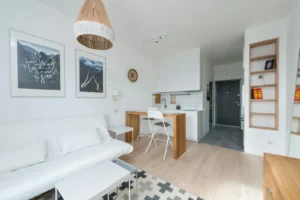
It absolutely is, and a small rental is the easiest place to pull it off. Japandi is what happens when Japanese minimalism marries Scandinavian warmth: the restraint of one, the soft wood and comfort of the other. It is spare without being cold, and in 500 square feet that restraint stops looking like deprivation and starts looking like the most expensive thing in the building. Less stuff is the whole point, which is convenient, because you do not have room for much anyway.
Here is how to build a warm, calm, genuinely japandi apartment in a place you rent, without a renovation and without buying out a design store.
Japandi blends two traditions that already had a lot in common. From Japan it takes wabi-sabi, the beauty of the imperfect, worn, and handmade, plus low furniture and a deep respect for empty space. From Scandinavia it takes hygge-style comfort, pale woods, and clean functional shapes. The overlap is a room that is minimal but never sterile, natural but never fussy.
In practice that means a muted, earthy palette, a small number of well-made natural-material pieces, a little visible craft, and enough breathing room that your eye can rest. Where strict minimalism can feel like a waiting room, japandi keeps the warmth in through wood tones, soft textiles, and the odd handmade object that shows a thumbprint. The discipline is real, but the goal is calm, not emptiness for its own sake.
The palette and the materials
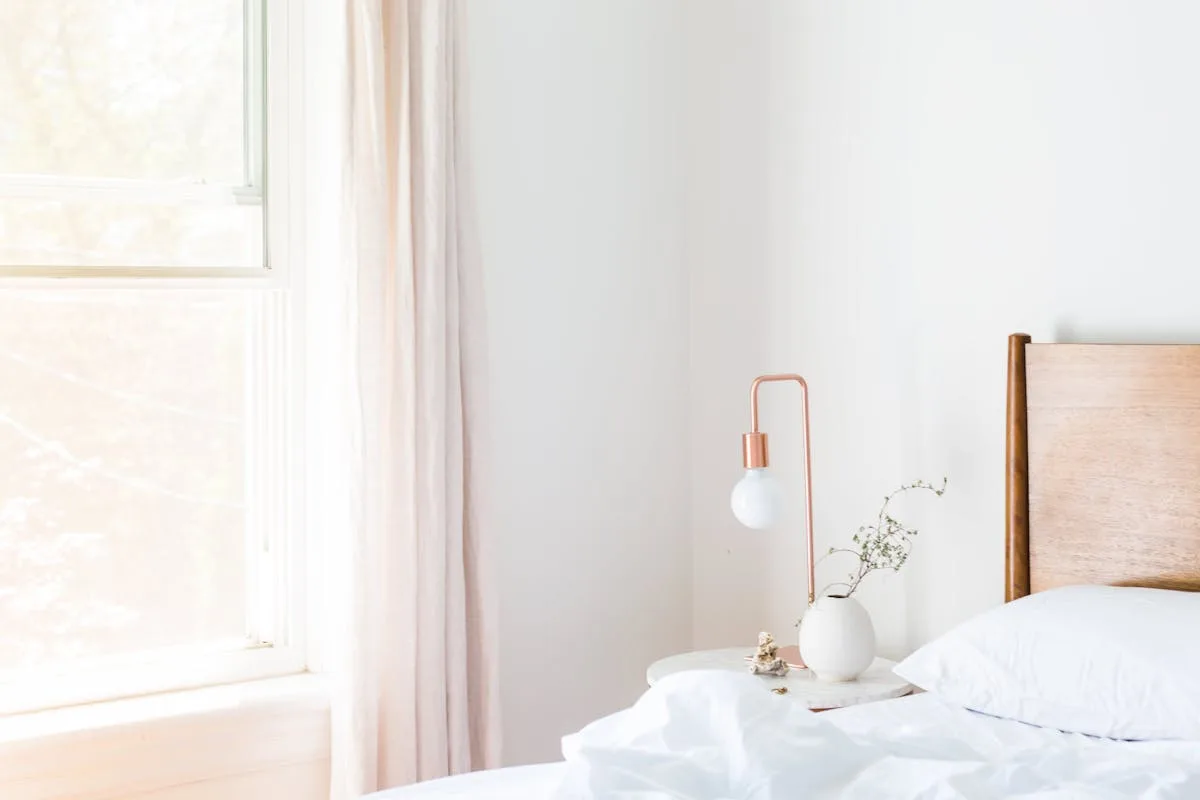
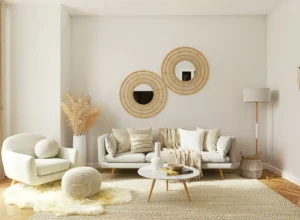
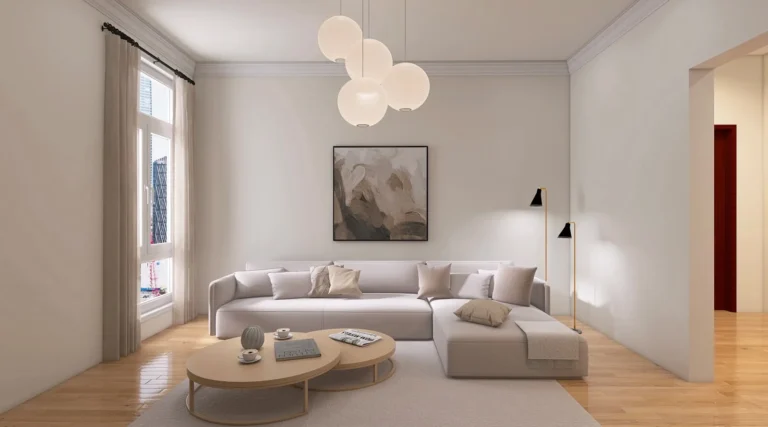
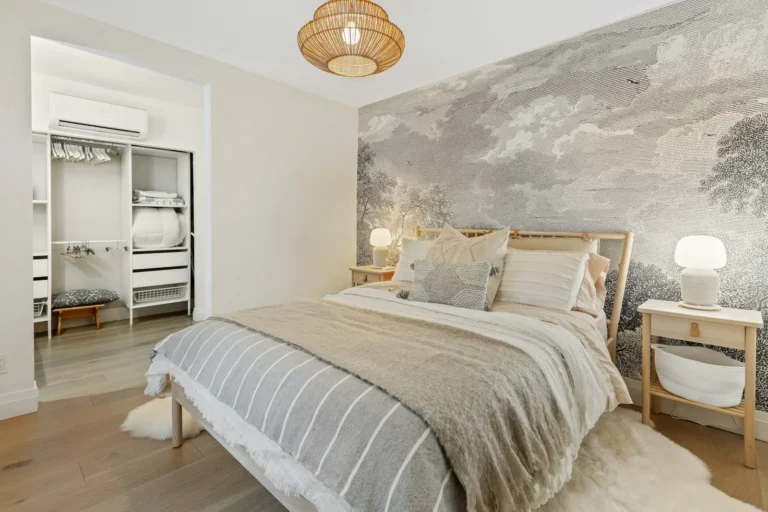
Japandi color is quiet and grounded. Start with warm neutrals, oatmeal, greige, soft white, and warm gray, then deepen with natural wood and one or two muted earth tones: charcoal, terracotta, sage, a dusty black. Skip anything bright or glossy. The contrast in a japandi room is gentle: light wood against a darker textile, matte against matte, tone on tone rather than a single hard accent color.
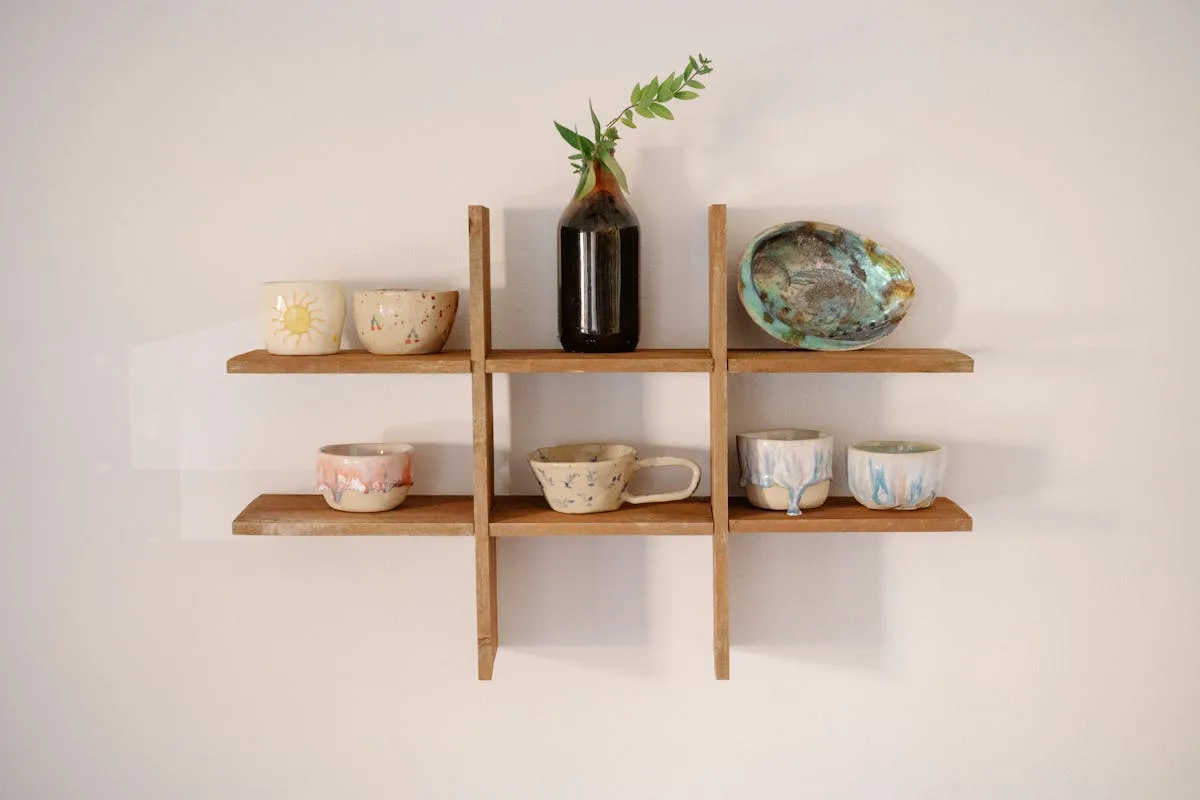
Materials carry more of the look than color does, so reach for the natural ones: light and mid-toned woods like oak, ash, and walnut, plus linen, wool, paper, ceramic, rattan, and bamboo. Texture is what keeps the muted palette from going flat. A nubby linen cushion, a chunky knit throw, a rough ceramic vase, and a smooth wooden stool in the same quiet color family give the eye plenty to read without a single loud thing in the room.
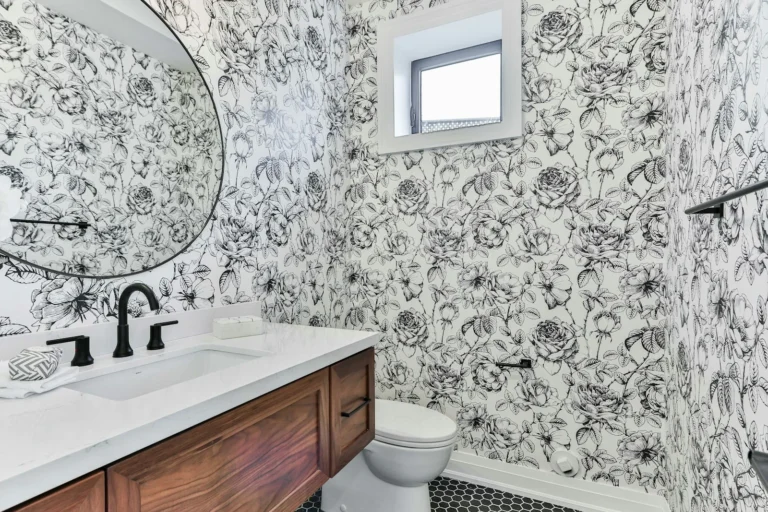
Renting means the walls stay as they are, which suits japandi fine, since the look wants plain calm surfaces anyway. If your beige is too yellow or your white too clinical, a removable wallpaper in a plaster, grasscloth, or soft-plain texture warms one wall, as long as you buy a genuinely removable brand and test a low corner first. On fresh or thin paint even peel-and-stick can lift the finish, so it is worth the patch test before you commit a whole wall.
Low, simple, functional furniture
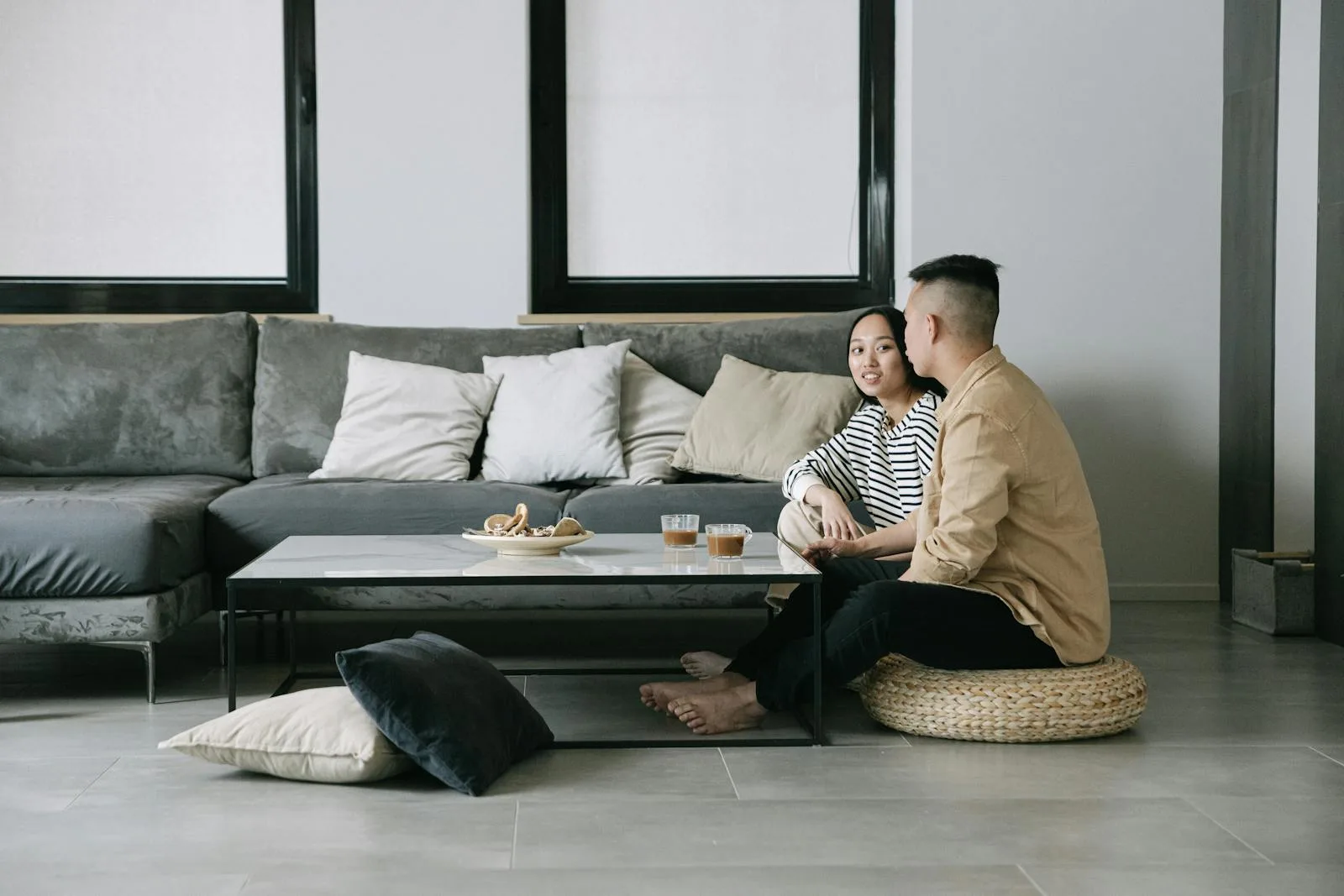
Japandi furniture sits low and keeps its lines clean, which happens to be ideal for a small apartment, because low pieces make a ceiling feel taller and a room feel calmer. Think a low platform-style bed, a long low media console, a small solid-wood coffee table, floor cushions instead of a second armchair.
Buy fewer pieces and let each one be good. A single well-made oak stool earns its place where three flimsy plastic ones would just add clutter, and clutter is the one thing japandi cannot survive. Look for honest materials and simple joinery over anything ornate or shiny; secondhand mid-century pieces often fit the look beautifully and cost less than new, because the clean-lined wood furniture of that era shares a lot of DNA with japandi. If you already lean that way, the mid-century modern apartment guide covers where those two aesthetics overlap and where they part.
Where to look depends on budget. Secondhand and estate sales are the cheapest route to real wood and the most japandi in spirit, since reuse is half the philosophy. Flat-pack stores like IKEA carry the plainest low-line shapes if you stick to the matte, unfinished-looking pieces and avoid anything high-gloss. And when solid wood is simply out of reach this month, an honest wood-look piece in a quiet tone reads far more japandi than glossy particleboard pretending to be marble. Buy the shape right and upgrade the material later.
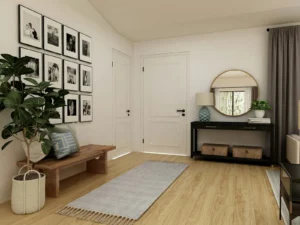
Whatever you bring in, leave space around it. An empty corner is not a problem to solve in this look. It is part of the design.
A rental also comes with things you cannot swap, and japandi is forgiving about most of them. A loud radiator or the building’s plastic blinds vanish behind a plain linen panel or a freestanding screen. A too-shiny laminate floor calms right down under a flatweave wool or jute rug, which has the side benefit of softening your footsteps for whoever lives below. Work around the fixed ugly things rather than fighting them; the look is mostly about what you add and how much you leave out.
Keeping it calm when you actually live there
The hardest part of japandi is not buying it, it is the discipline of living in a near-empty room without slowly filling it back up. This is where the small-rental version needs real storage, because the serenity only holds if the daily clutter has somewhere to disappear.
Lean on closed storage over open shelves: a console with doors, woven lidded baskets, a bench with a hollow seat. The drying rack, the cables, the not-quite-laundry chair all need a home that is out of sight, and in a japandi room out of sight is the entire job. For the deeper renter playbook on hiding daily life without built-ins, the renter-friendly decor guide goes through the no-drill, no-damage options.
A short discipline that keeps the look alive once it is built:
One in, one out. A new object means an old one leaves. This is the rule that stops the slow creep back to clutter.
Surfaces stay mostly bare. A table or shelf earns one or two considered objects, not a collection. Empty surface is the aesthetic working.
Hide the tech. Chargers, cords, and the router are the enemies of calm. Route them behind the console and into a box, and the room exhales.
The japandi pieces worth buying
Japandi runs on a short list, because owning less is the whole instruction. The wood anchor pieces you save up for or find secondhand, and the ceramics, stools, and baskets turn up at thrift stores for almost nothing. What is left is a handful of natural-material add-ons worth buying new: the things you stand on, sit on, sleep under, and light the room with. Most of it is freestanding or no-drill, none of it is a renovation, and the prices below are rough street ranges, not live quotes.
What it actually costs
Japandi can run expensive if you buy it new from design studios, but the renter version is cheaper than most, because the core instruction is to own less. The real spend goes to one or two solid-wood anchor pieces, a low bed frame or a good console, where honest materials are worth paying for and particleboard shows immediately. Textiles, the linen cushions and wool throws, run modest and reward patience at sales. Ceramics, stools, baskets, and vases turn up constantly secondhand, and a single branch in a vase costs nothing at all.
Spend on the wood and the things you touch daily; thrift the rest and resist the urge to fill the gaps. A japandi room gets better as you remove things, which makes it the rare aesthetic where a tight budget is an advantage rather than a limit. If the calm appeals but you want it even more pared back, the minimalist apartment guide takes the same restraint further. The whole range of looks is mapped in the apartment aesthetic guide.
Frequently asked questions about japandi apartments
What is japandi style?
Japandi is a hybrid of Japanese minimalism and Scandinavian design. It combines the Japanese love of empty space, low furniture, and wabi-sabi imperfection with Scandinavian warmth, pale woods, and clean functional shapes. The result is a room that is minimal but warm, natural, and calm rather than cold or sparse.
How do I make my apartment japandi?
Pare down to a few well-made natural-material pieces, work in a muted earthy palette, keep furniture low and simple, and leave real empty space around everything. Add warmth through wood tones, linen, and wool, and hide daily clutter in closed storage so the calm holds. Renters can do all of it without painting or drilling, since the look wants plain calm surfaces anyway.
What colors are used in japandi?
Warm neutrals form the base, including oatmeal, greige, soft white, and warm gray, grounded by natural wood and a muted earth tone or two such as charcoal, terracotta, or sage. Everything stays matte and quiet, with gentle contrast between light wood and darker textiles rather than any bright accent color.
Is japandi good for small apartments?
It is one of the best aesthetics for a small space. Low furniture makes ceilings feel higher, the pared-down approach suits limited square footage, and the emphasis on empty space turns a small room’s main constraint into the actual design. The discipline of owning less is easier to maintain in a small apartment than a large one.
How is japandi different from minimalism?
Minimalism aims for as little as possible and can read as stark or clinical. Japandi keeps the low quantity but adds warmth and craft through natural materials, wood tones, soft textiles, and handmade objects with visible imperfection. A japandi room feels lived-in and calm; a strict minimalist room can feel like a showroom.
Once the not-quite-laundry chair is cleared, the cables have a box, and a single branch is standing in a plain vase, the small rental that felt cramped a few hundred words ago turns out to have been calm all along, just buried under everything you were keeping in it.
Get the renter's first-apartment checklist
Small-space decor ideas for renters, straight to your inbox.
This post contains affiliate links. If you buy through one I may earn a small commission at no cost to you. The rental bathroom floor was a grid of small peach-pink tiles from sometime around 1996, set in yellowing white grout, and the landlord had said in the lease walkthrough that I was welcome to…
This post contains affiliate links. If you buy through one I may earn a small commission at no cost to you. You took a shower in the rental bathroom, walked out to brush your teeth, and noticed the seam above the toilet. The roll you put up six weeks ago, the one that looked perfect…
The space under your bed is a closet you are not using. 8 renter-friendly under-bed storage picks sorted by clearance and contents, the one to skip, and the measurement to take first.
The Nancy Meyers coastal grandmother look, scaled down to a small rental with linen, slipcovers, and thrift-store calm.
Manage Consent
To provide the best experiences, we use technologies like cookies to store and/or access device information. Consenting to these technologies will allow us to process data such as browsing behavior or unique IDs on this site. Not consenting or withdrawing consent, may adversely affect certain features and functions.
Functional
Always active
The technical storage or access is strictly necessary for the legitimate purpose of enabling the use of a specific service explicitly requested by the subscriber or user, or for the sole purpose of carrying out the transmission of a communication over an electronic communications network.
Preferences
The technical storage or access is necessary for the legitimate purpose of storing preferences that are not requested by the subscriber or user.
Statistics
The technical storage or access that is used exclusively for statistical purposes.The technical storage or access that is used exclusively for anonymous statistical purposes. Without a subpoena, voluntary compliance on the part of your Internet Service Provider, or additional records from a third party, information stored or retrieved for this purpose alone cannot usually be used to identify you.
Marketing
The technical storage or access is required to create user profiles to send advertising, or to track the user on a website or across several websites for similar marketing purposes.