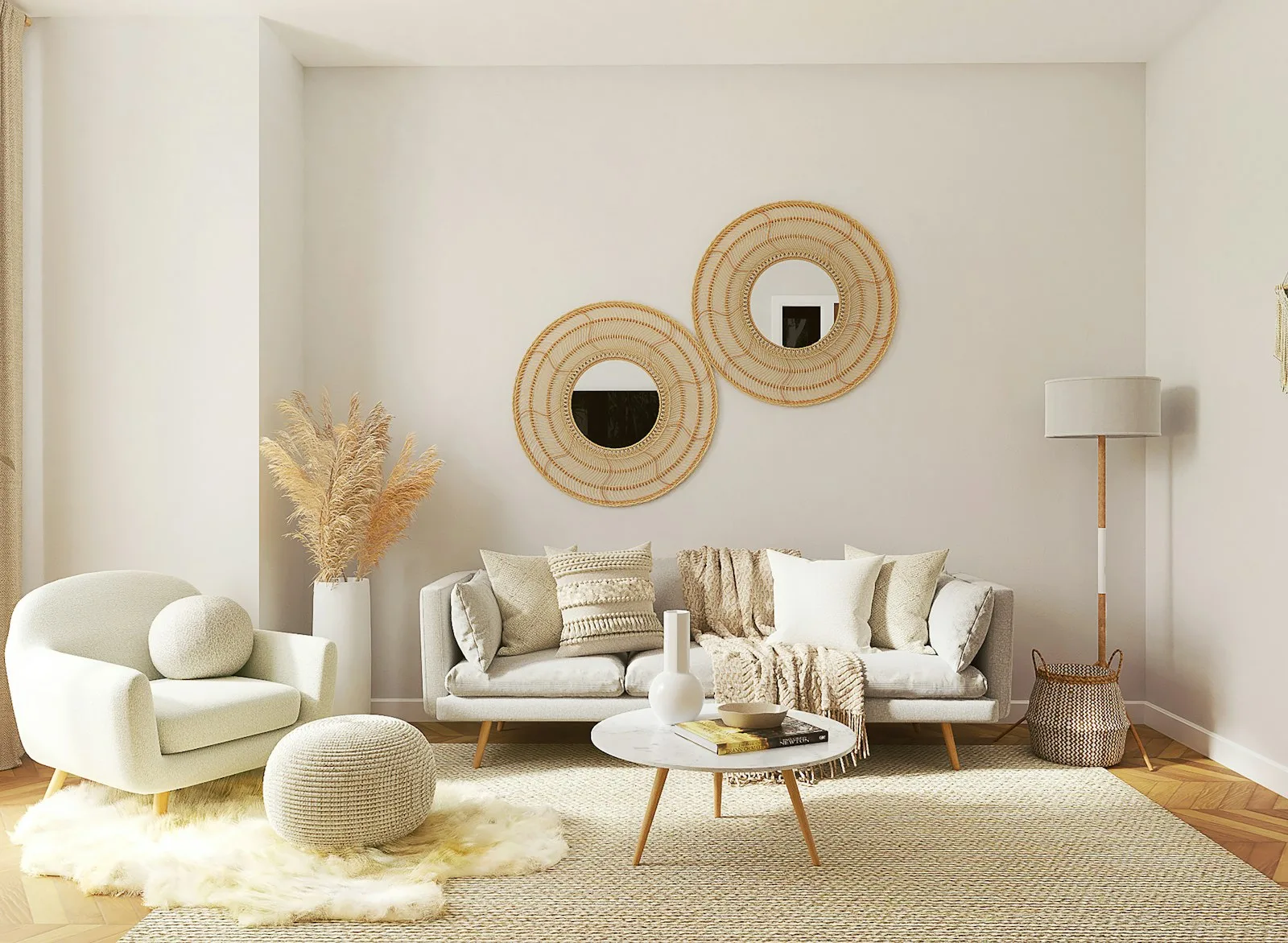
Apartment Aesthetic: How to Pick a Look and Actually Pull It Off in a Rental
You have the board. Forty-three pins of warm wood, a slouchy linen sofa, one perfect arched mirror, and light coming in sideways like the apartment was built around a single window for the purpose of being photographed. Then you look up from your phone and there is your actual rental: a beige box with a builder-grade light fixture, carpet you did not choose, and a wall you are not allowed to drill into. The gap between the board and the box is where most people give up and just buy another throw pillow.
The thing nobody tells you is that an apartment aesthetic is not a shopping list. It is a small set of decisions about color, texture, and what your eye lands on first, applied consistently across a room. Get those three right and a $40 lamp reads as intentional. Get them wrong and a $1,200 sofa looks like it wandered in from someone else’s life.
This guide is the map. It covers what “aesthetic” actually means when your walls are off-limits and your lease is fifteen months, how to find the one look that fits you instead of chasing twelve, and where each specific style lives so you can go deep on the one you pick.
What “apartment aesthetic” actually means
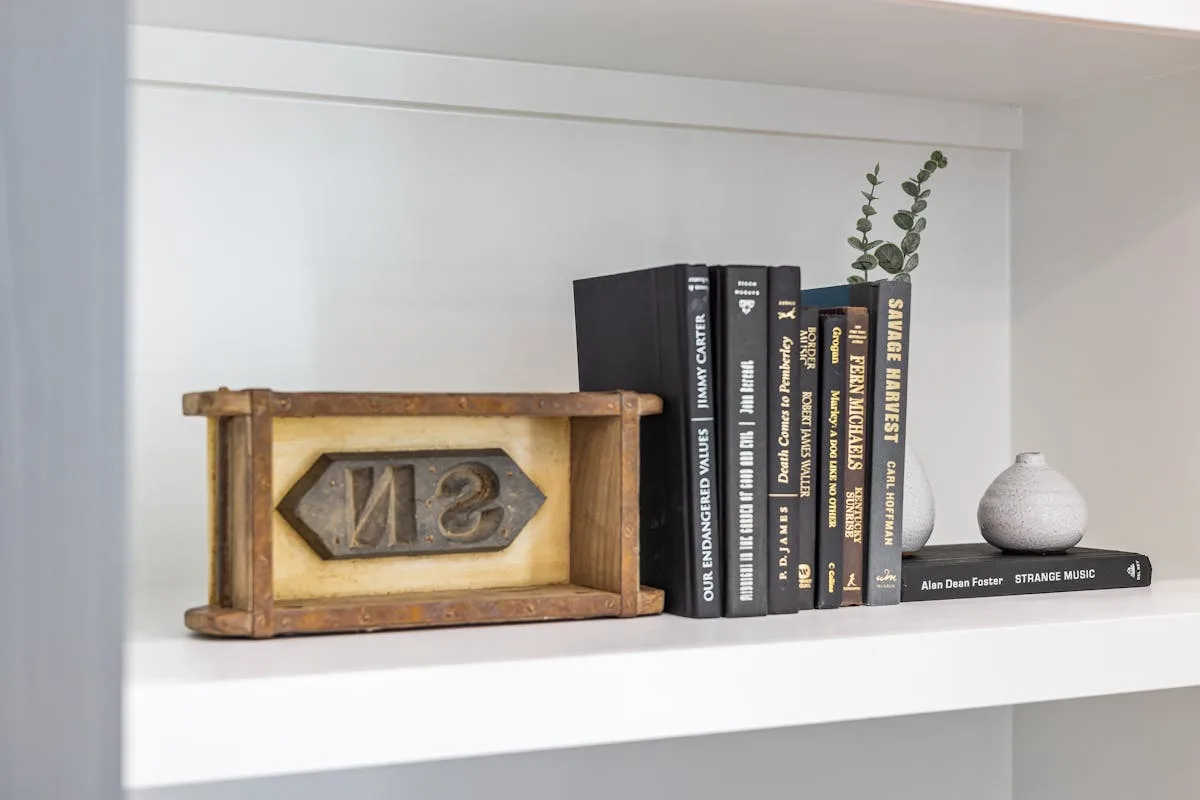
Walk into a room and your eye asks one thing in the first two seconds: did someone shape this place, or did someone just land here? Three levers decide the answer.
Color story. Two or three colors that repeat. Not a rainbow, not all-beige, but a deliberate range: warm woods and cream and one deep accent, say, or black and white and a single brass note. The repeat is the trick. The same rust shows up in the throw, the book spine, and the lampshade, and suddenly the room looks composed instead of collected at random.
Texture mix. Flat rooms feel like waiting rooms. An aesthetic stacks texture: a nubby wool throw against smooth ceramic, a jute rug under a glass-leg table, linen that wrinkles next to wood that does not. In a small rental this matters more than in a big house, because you have fewer pieces, so each one has to carry more.
The anchor. One thing your eye lands on first. A bed with a real headboard, a bold rug, an oversized piece of wall art, a single statement chair. Rooms without an anchor feel busy even when they are nearly empty, because the eye has nowhere to rest.
Everything else, the plants and the candles and the stack of coffee-table books, is the last ten percent. Nice to have. It will not save a room that skipped the three above.
The renter constraint that shapes every aesthetic
Most of those board rooms were painted, drilled, and in plenty of cases owned outright. You have a deposit that quietly counts down from the day you sign, a landlord who answers on the third try, and a lease that says the walls go back beige.
That constraint is not the enemy of a good aesthetic. It just changes the tools.
You cannot paint, so color comes from textiles, art, and peel-and-stick instead of a roller. You cannot drill a gallery wall, so you hang with the right adhesive and lean the heavy pieces. You cannot retile, so a peel-and-stick backsplash or removable wallpaper does the work a contractor would do in an apartment you owned. None of it pulls paint at move-out if you buy the real version and remove it the right way.
The renter version of every aesthetic on this page is reachable. It just runs through textiles, light, and reversible surface changes rather than through permanent ones. For the full playbook on doing this without losing the deposit, the renter-friendly decor guide is the deep version. The short version: pick removable, buy the brand that actually peels clean, and keep the original fixtures in a closet so you can swap them back.
How to find your aesthetic instead of chasing twelve
The most common mistake is trying to be three things at once. A little boho, a little minimalist, a touch of dark academia, and the room ends up reading as none of them. An aesthetic is a commitment, and the commitment is what makes it look intentional.
A few honest questions get you there faster than scrolling.
What do you actually own already? Pull the three things you would keep in a fire. If they are warm-toned, secondhand, and a little worn, you are not a minimalist no matter how much you admire the empty rooms. Decorate toward what you already love, not away from it.
What does your light do? A north-facing studio with one window wants warm, layered, cozy. A bright corner unit with sun all afternoon can carry cool minimalism or crisp Scandinavian without feeling cold. Fighting your light is a losing game. Build the aesthetic the room’s light already flatters.
How much can you stand to maintain? Minimalism looks effortless and is the opposite. An empty surface shows every coffee ring and stray charger. A layered, textured, slightly-more-is-more aesthetic hides daily life better. Be honest about which version of you actually exists on a Tuesday.
What is the anchor going to be? Before you buy a single accessory, decide the one piece the room is built around. Everything after that is in service of it. Skip this and you will own a lot of nice things that do not talk to each other.
Pick one. You can always evolve it. But a room that commits to one clear look on a small budget beats a room that hedges across three on a large one, every time.
The aesthetics, and where to go deep on each
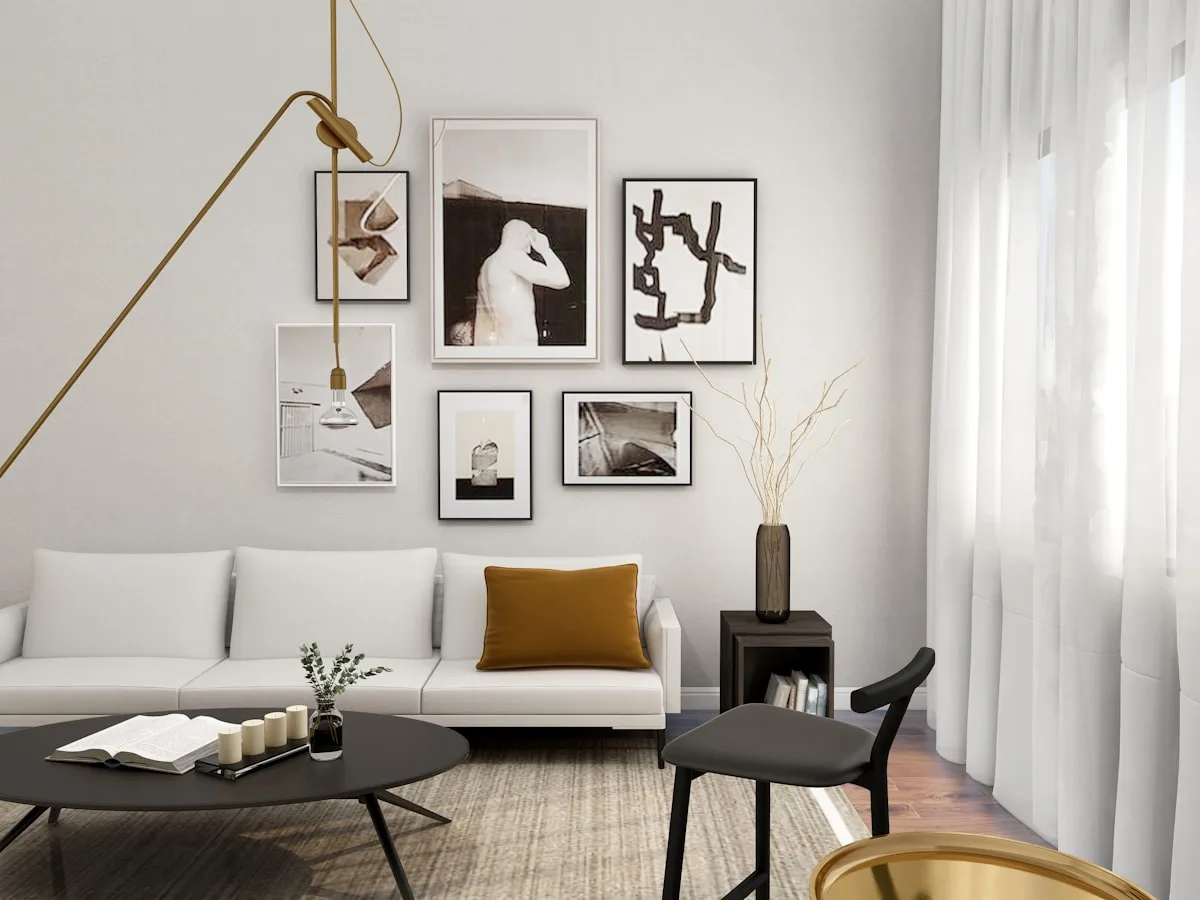
Here is the tour. Several of these have a full guide of their own already, with the renter version, the specific pieces, and the budget reality; the rest are on the way. Read the short take, then click into the one that made you sit up.
Dark academia
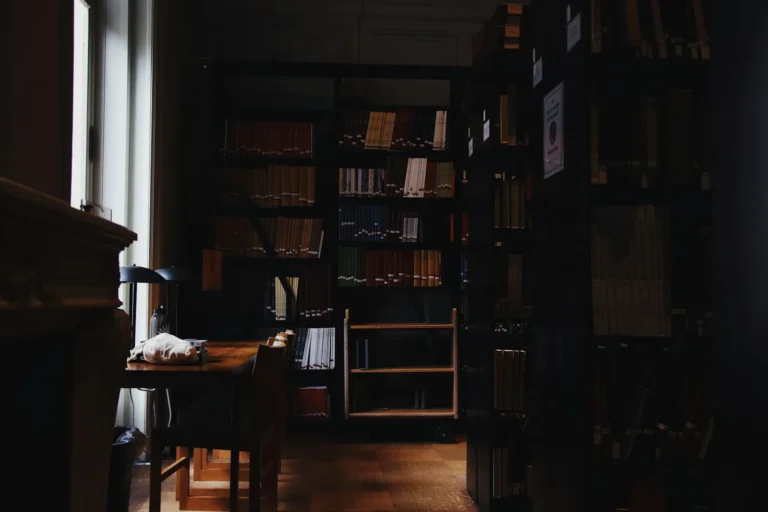
Moody, bookish, candlelit. Deep greens and oxblood, brass, old books, a desk that looks like it has seen some essays. It is the most atmosphere-forward aesthetic on this list, which makes it forgiving on a budget, because thrifted books and a warm bulb do most of the work. The renter trap is lighting: overhead builder-grade light kills the mood instantly, so this look lives and dies on lamps. The full breakdown is in the dark academia room guide.
Mid-century modern
Warm wood, tapered legs, clean lines, a burnt-orange or mustard accent. The most rental-friendly of the furniture-led aesthetics because the silhouettes are compact and the legs lift everything off the floor, which makes a small room read bigger. Easy to overspend chasing originals and easy to do well with reproductions. See the mid-century modern apartment guide for what to buy new, what to thrift, and what to skip.
Minimalist
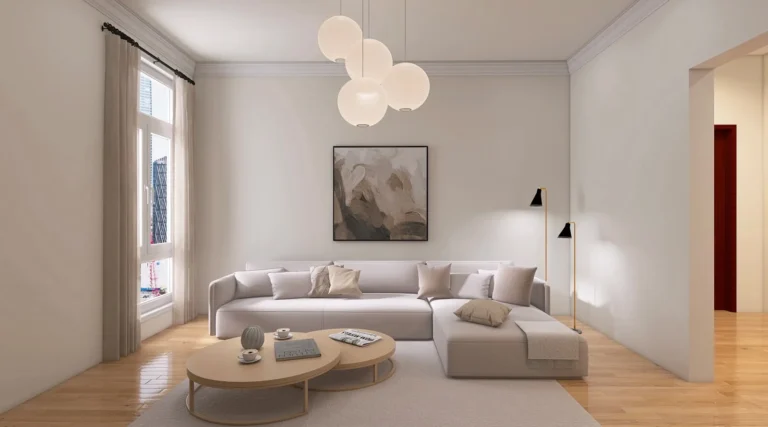
Calm, spare, neutral, and far harder than it looks. The whole aesthetic depends on hiding the clutter of daily life, so storage is the real project, not decor. It rewards good light and punishes small messes. The minimalist apartment decor guide covers how to get the look without the room feeling like a dentist’s waiting area.
Boho
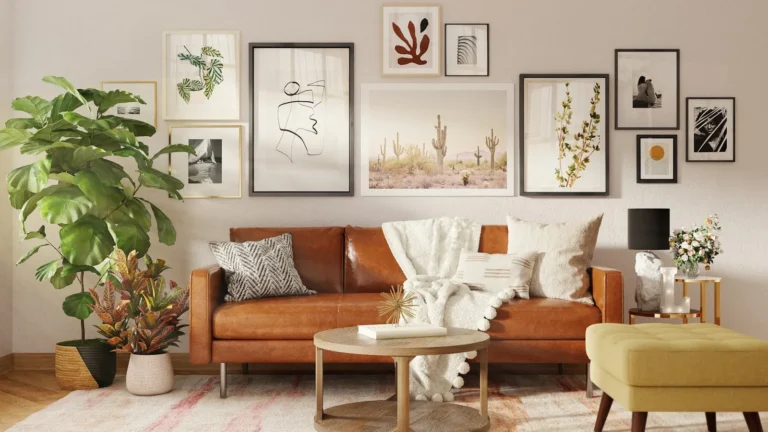
Layered, plant-heavy, warm, and the most forgiving aesthetic for renters with a pile of mismatched things. Texture is the whole point, so the jute rug, the macrame, the secondhand kilim, and the hanging plants all add up rather than clash. It is also one of the cheapest looks to build from thrift and marketplace finds. The boho apartment decor guide has the renter version, plants included.
Afrohemian
Boho with a richer, more grounded palette and a stronger point of view: global textiles, mudcloth and kente patterns, terracotta and deep ochre, woven baskets used as both storage and art. It carries warmth and pattern in a way plain boho often skips. The afrohemian decor guide covers the textiles, the palette, and where to source pieces that are the real thing.
Cozy
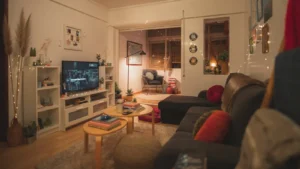
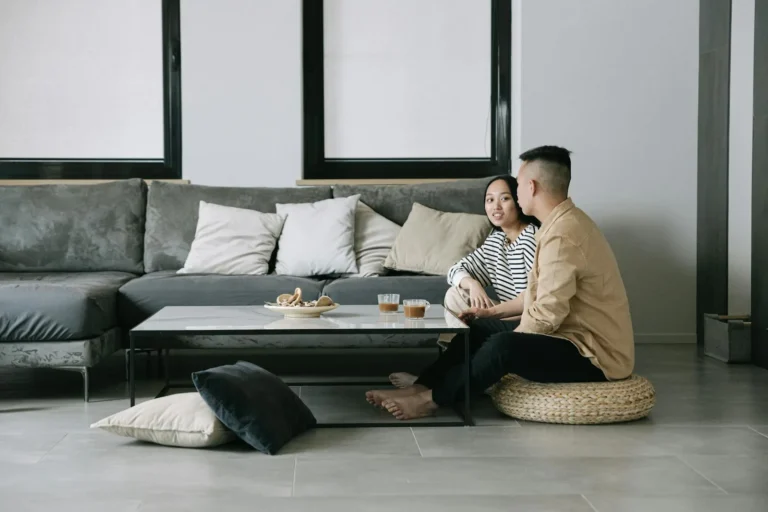
Not a strict style so much as a target feeling: the apartment you do not want to leave on a Sunday. It runs on warm lamps, a deep couch, and textiles you actually want to touch, which is why it is the easiest look to reach without buying a single piece of serious furniture. If you already own a pile of soft, mismatched things, you are halfway there. The cozy apartment ideas guide has the renter version.
Coastal grandmother
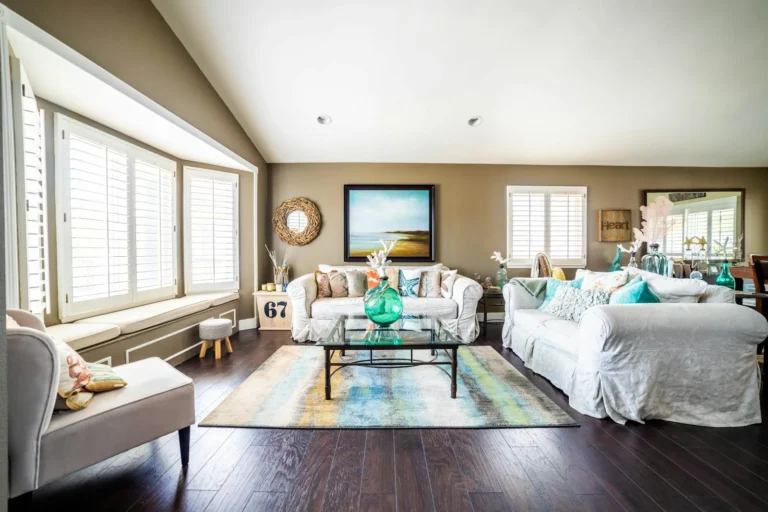
Slipcovered comfort, blue and white, and as much natural light as the unit can find. Nancy Meyers kitchen energy on a renter’s budget. It looks expensive even when the slipcover came from a clearance bin, and it is happiest in a bright apartment that gets a few hours of afternoon sun. The coastal grandmother decor guide has the renter version.
Japandi
Japanese restraint married to Scandinavian warmth: low furniture, natural materials, a muted palette, and a hard rule against clutter. The most disciplined look on the list, and the one that pays off most in a tiny apartment, because in 500 square feet restraint is the thing that looks like money. The japandi apartment guide has the renter version.
Cottagecore
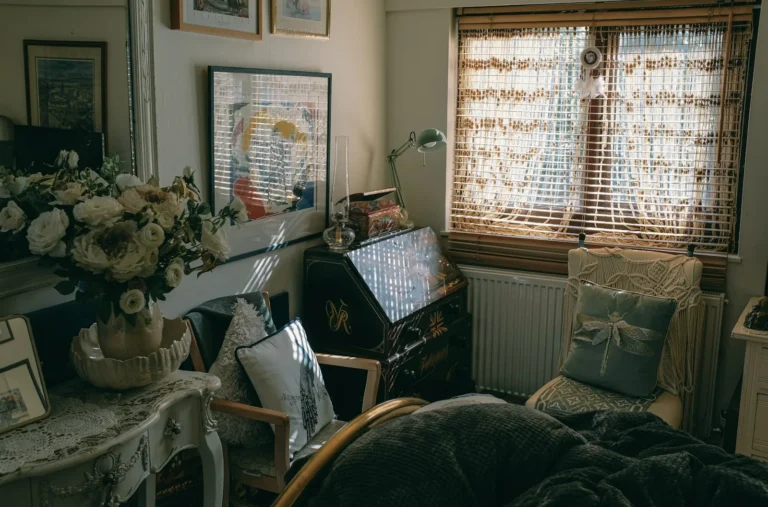
Pressed flowers, secondhand linens, a little chintz, the warmth of a place your grandmother might have kept. Cheap to build from thrift, and the renter version leans on removable wallpaper and textiles instead of paint and a real garden. Easy to overdo into costume, so the trick is one or two pieces, not the full set. The cottagecore apartment guide has the renter version.
Scandinavian
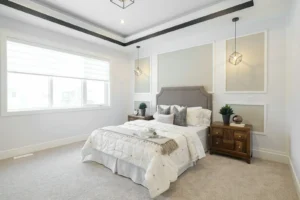
Light woods, white walls, clean lines, and just enough warmth that it never tips into cold. The livable cousin of minimalism, and a natural fit for bright apartments and small budgets. If minimalism feels too severe the moment you actually try it, this is usually the look you were reaching for.
Where to start when you actually do it
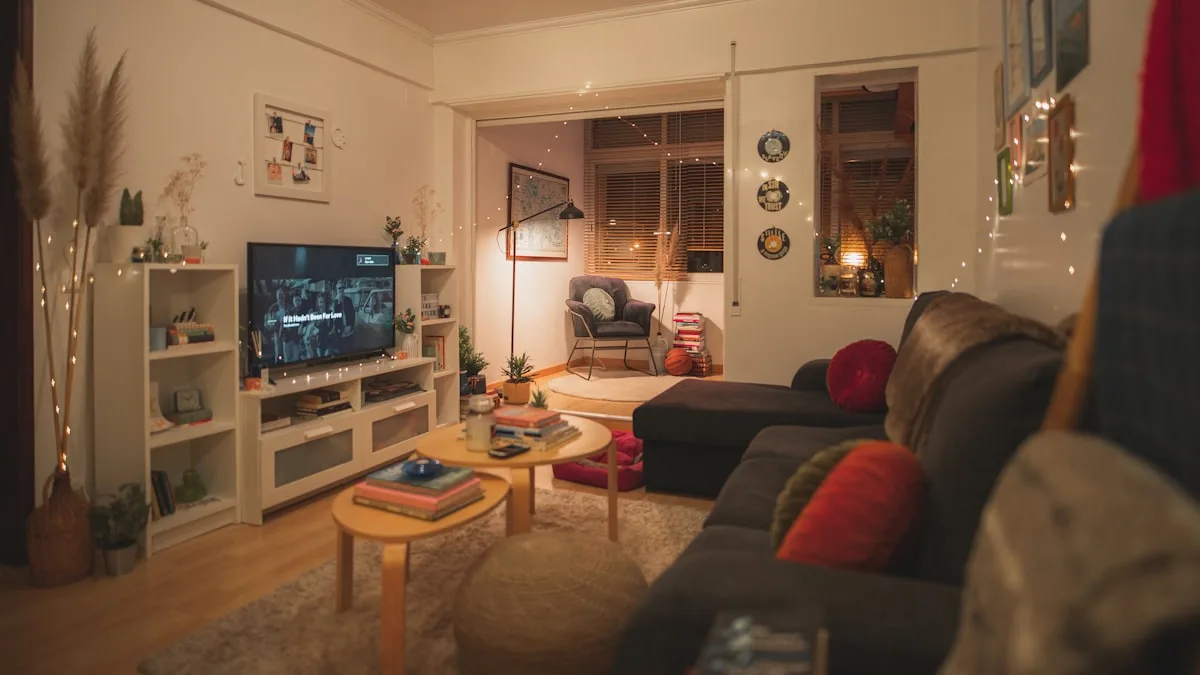
Knowing the levers is one thing. Doing them in the right order is what keeps a small rental from looking like a paint-sample wall.
Start with the lighting, because builder-grade overhead light is the single biggest aesthetic killer in any apartment and also the cheapest thing to fix. Two or three warm-bulb lamps at different heights beat one cold ceiling fixture in every look on this page, dark academia most of all. If the fixture itself is the problem, most of them unscrew. Swap in something warmer and keep the original in a closet for the move-out walkthrough. No single dollar moves a room further.
Then place the anchor before you buy anything small. The rug, the bed, the art, whatever you decided the room is built around. Everything after that gets bought to serve it, which saves you from the slow drift of ten accessories that never learned to talk to each other.
Save the accent color for last. Get the textiles and materials warm and mixed and talking first, then add the one color that announces which aesthetic this is. Oxblood, mustard, terracotta, whichever the look calls for. Color first is how rooms end up matchy and flat. Color last is how they end up looking decided.
The budget reality
You do not need a big budget. You need a consistent one. A studio aesthetic that feels intentional usually comes together for a few hundred dollars spread across the right pieces: a good lamp or two, one anchor piece (often thrifted), a rug that sets the color story, and a small handful of textiles that repeat the palette.
The trap is buying wide instead of deep. Ten cheap accessories that do not share a color story cost the same as three pieces that do, and the three win every time. When in doubt, spend on the anchor and the lighting, thrift the rest, and add the accent color in textiles you can swap when your taste moves on.
The deposit comes back. The aesthetic comes with you to the next place.
Frequently asked questions about apartment aesthetics
How do I make my apartment look aesthetic on a budget?
Put the money where the eye goes and thrift the rest. A realistic studio split is most of the budget on two lamps and one anchor piece, often a rug or a secondhand chair, and almost nothing on accessories, which thrift stores and marketplace are full of. The mistake is spreading the same $200 across ten small things instead of three that share a color story.
What is the most rental-friendly apartment aesthetic?
Boho and cozy are the most forgiving, because both are built from textiles, plants, and warm light rather than from permanent change or expensive furniture. Mid-century modern is the easiest furniture-led look for renters, since the lifted legs and compact silhouettes suit small rooms. Any aesthetic works in a rental once you swap permanent changes for removable ones.
How do I pick an aesthetic for my apartment?
Start with what you already own and love, what your light does, and how much daily maintenance you can stand. Warm-toned, secondhand things point toward boho or cottagecore. Bright light suits minimalism or Scandinavian. Pick one look and commit, because a room that commits looks intentional, while a room that hedges across three styles reads as none of them.
Can I get an aesthetic apartment without painting the walls?
Yes. Color comes from textiles, art, and removable wallpaper instead of paint, and most renters never paint at all. A peel-and-stick wallpaper accent wall, a bold rug, and layered textiles do the work a paint job would, and all of it comes off clean at move-out if you buy the real version.
What makes a small apartment look more expensive?
Consistency and restraint. One color story repeated across the room, one strong anchor piece, layered texture, and warm lighting read as expensive regardless of price. Lifted furniture (legs, not skirts) makes a small room feel bigger, and a clear focal point keeps it from reading as cluttered. Cheap looks cheap when it is scattered, not when it is consistent.
The gap between the board and the box closes faster than you would think. Pick the one look that fits your light and your stuff, fix the lighting, give the room an anchor, and let the accent color show up last. Do that, and the next time you look up from your phone, the room and the board are finally the same place.