Peel-and-Stick Backsplash: A Real-Kitchen Review (5 Brands That Survived Grease and Steam, 2 That Did Not)
This post contains affiliate links. If you buy through one I may earn a small commission at no cost to you.
The first kitchen where I tried this was a one-bedroom in Austin with a galley layout and a builder-grade off-white wall behind the stove that had been catching pasta-sauce spatter for years. The previous tenant had clearly given up halfway through and just left a faint orange shadow above the back burner. My landlord said I could paint anything but the cabinets, and I did not want to repaint the same wall every six months. So I tried peel-and-stick backsplash for the first time. It stayed up for the entire eighteen months I was there. It came off at move-out in roughly forty minutes. I got the deposit back.
That was the good install. The bad install came two apartments later: a Chicago kitchen with a wall directly behind a gas range, which I now know is too hot for any peel-and-stick product. By month two the panels nearest the burner had bubbled, by month three the corner was lifting, and I learned in detail why heat ratings on these listings matter. I pulled them all off, repainted, and saved the second brand for the wall by the coffee maker where it lived happily for another year.
Across three apartments and five different peel-and-stick backsplash products, I have a clearer picture now of which brands actually hold up in a real kitchen, which ones look great in the listing photo and fail at the first pot of marinara, and what install moves separate the wins from the curls. This is what I would buy again.
What “peel-and-stick backsplash” actually covers
Four different products show up under this term, and the gap between them is how a wall ends up either holding for the lease or curling within a season.
The dominant category by sales volume is gel-vinyl 3D tile: clear vinyl molded into subway or hex shapes, printed underneath the gel layer so the effect reads as raised tile from a few feet away. Smart Tiles is the brand that built this category. It is slightly heat-resistant, very wipeable, and the most convincing of the budget options at standing height.
Then there are PVC foam 3D panels: the cheaper Amazon equivalent, PVC body instead of gel, lighter weight, less depth in the 3D effect. Art3d and STICKGOO dominate here. The print can be excellent or muddy depending on the production run, and samples matter more in this category than anywhere else. Vinyl flat-print tiles (marble, terrazzo, Moroccan) are the same body without the 3D molding; they read as flat up close, fine from across the kitchen. Yipscazo and the mid-range Amazon brands ship in this category.
The upgrade tier is real-material peel-and-stick tile: actual stone, glass, or metal mosaic squares bonded to a peel-and-stick mesh backing. Aspect by ACP is what Lowe’s and Home Depot stock. It costs roughly four times what gel-vinyl does and looks like a real backsplash from any distance, because the visible surface is real material.
What I look for now (specs that actually decide it)
After the bubbled panels in Chicago, my rules are short. Heat rating is the one I check first, and I check it on the manufacturer’s spec sheet, not the Amazon listing. Smart Tiles lists 120°F max with an 8-inch safety zone above any cooking surface. Aspect (ACP) lists 140°F with a 6-inch clearance. PVC and gel-vinyl brands that do not publish a Fahrenheit number, I assume cannot handle a gas range, and I keep them at least a foot away from a burner.
Material body matters next. Gel-vinyl reads more like real tile than PVC foam at the same listing photo. PVC composite reads cheap up close. Real-material faced tile reads like a contractor install from any distance, because the visible surface really is stone or glass.
A few install-side specs decide the rest. Adhesive coverage should be full-back PSA, not a perimeter strip; the cheap perimeter-only brands lift at the center within a few months. Seam strategy comes in two flavors: interlocking edges (faster, hides seams) and butt-edge (slower, looks better with a thin caulk line). And always sample first; the 3D depth, the gloss level, and the print sharpness all read differently under your kitchen lights than they do in studio photography.
The 5 brands I would buy again
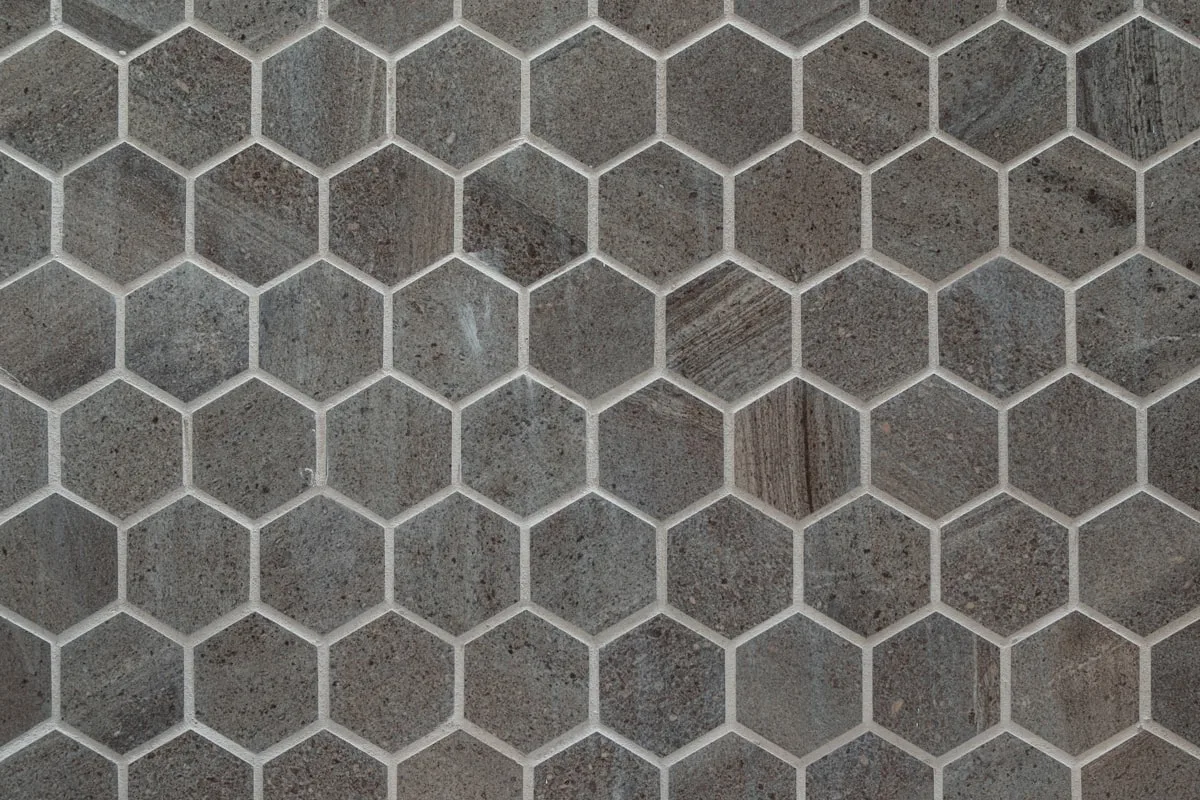
What to watch: at eight to fourteen dollars a square foot, this is the premium of the peel-and-stick category. A standard 30-square-foot kitchen backsplash lands around $250 to $400 in tile. Worth it for a lease of a year or more; less worth it for a six-month sublet.
What to watch: keep Art3d well clear of any cooking heat (at least a foot of clearance from an open flame). Print runs vary; sample at least one panel before ordering a wall’s worth so the marble veining is not muddy on yours.
What to watch: real-material faces mean real weight. Aspect needs a smooth, fully cured-painted drywall surface; rough plaster or freshly painted walls (within 30 days) do not hold the bond. Cutting the stone and glass lines requires a tile-scoring tool or wet saw, not a utility knife.
What to watch: STICKGOO subway is matte where real subway tile is often glossy. The visual still reads as subway, but if you want the glossy reflective look, this is not it.
What to watch: flat print, not 3D. From a foot away the wall reads as printed vinyl, not as real tile. If you want the depth illusion that gel-vinyl provides, this is not the right pick.
What I would actually skip
Two products in this category I have lived with and would not buy again.
Unbranded “marble peel and stick” listings under $2 per square foot. These ship as the thinnest possible vinyl with perimeter-only adhesive. The print is fine in the listing photo because the listing photo was taken before the panel sat in a 90-degree shipping container for three weeks. By the time it arrives at your door, the tack is gone and the seams will not stay closed. I have peeled one of these off a wall before, and now I scroll past anything that lists no brand name.
Self-adhesive metallic-foil tiles. These look beautiful in the photo: faux copper, faux brass, faux brushed steel. In a real kitchen the foil scratches the first time you wipe down splatter with a non-soft cloth, and the scratches read as smudges rather than wear. Skip the foil category until a real-metal brand makes the shift; right now Aspect is the only real-metal option that holds.
Install lessons the listings do not tell you
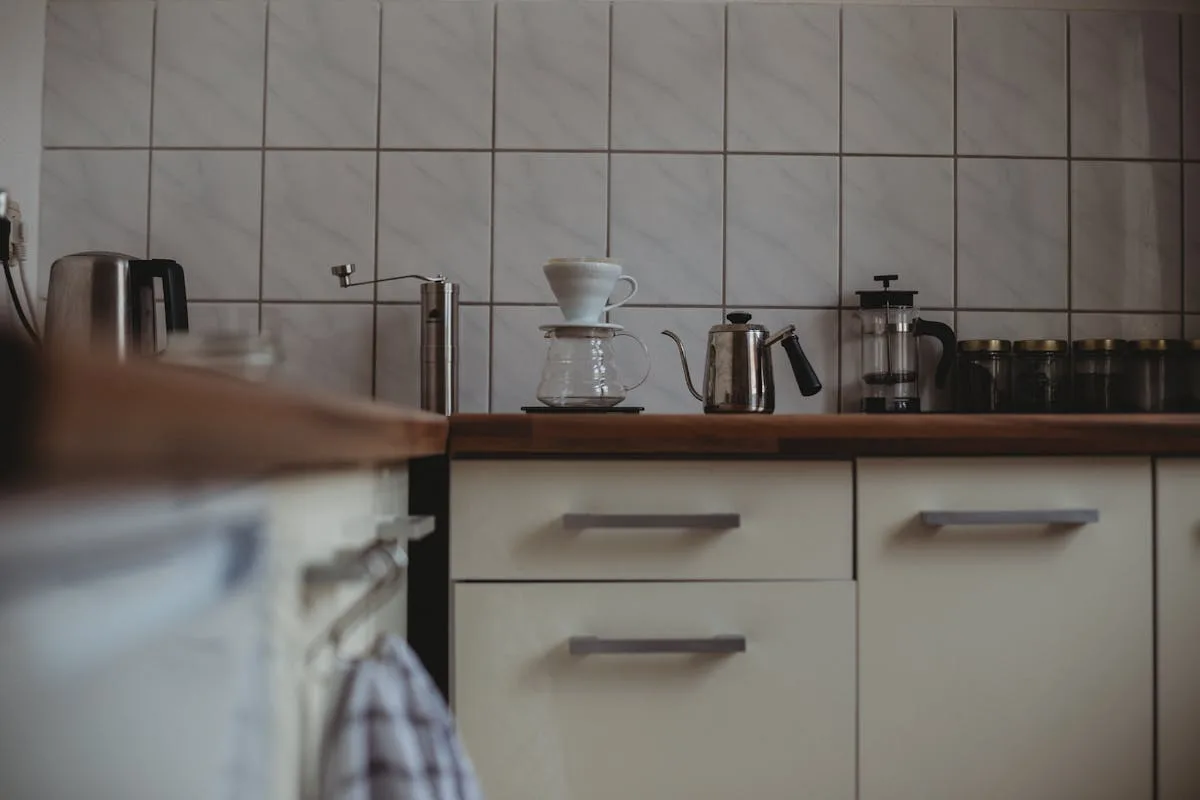
The brand decides a lot. The install decides the rest.
Clean the wall like you are about to repaint it. Degreaser, microfiber, dry time. Kitchen grease aerosol settles invisibly on every wall within a foot of the stove; adhesive does not bond to invisible grease. The walls I prepped properly held for years. The wall I “just wiped down” lifted in two months.
Dry-fit every sheet before peeling backing. Lay the panels in position with the backing still on, mark where each one sits, check that no critical pattern lines (subway grout, marble veining) get cut off at outlet covers. Pull the backing only once you have the layout right.
Install outlet covers last. Turn off the breaker, remove outlet covers, cut the backsplash panel around the outlet box with about an eighth-inch clearance, then reinstall the covers over the panel edge. Cutting the panel to fit under a flush outlet cover never looks clean.
Roll every seam with a J-roller. A small rubber J-roller (under $10 on Amazon) run firmly along every seam after install gives you the bond strength the adhesive is actually rated for. Skipping this step is why so many installs lift at the seams.
Caulk the bottom edge if it meets a countertop. A thin bead of clear silicone where the panel meets the counter looks finished, stops water from running behind the panel, and matches what a real-tile installer would do. The kitchens that lasted longest in my apartments all had this caulk line.
What this costs
For a 30-square-foot kitchen backsplash, the math runs roughly:
- Budget tier (Art3d / STICKGOO / Yipscazo): $90 to $180 in tile
- Gel-vinyl tier (Smart Tiles): $240 to $400 in tile
- Real-material tier (Aspect): $700 to $1,200 in tile
- Tools (J-roller, utility knife, straightedge, caulk): $25 to $40
Even the real-material tier lands at roughly a tenth of a contractor-installed real tile backsplash, and you can do it yourself in an afternoon.
The renter parts no one mentions
Document the wall before you start. Five photos with the timestamp on. If the wall behind the stove had grease shadow when you moved in (mine did), you want the record.
Removal works best when the apartment is warm. Pull the backsplash off in the same week you move out, not the week after. PSA stays flexible at room temperature; the bond gets harder if the apartment goes cold and unheated for a few days.
Pull from the top corner with a plastic spatula. A thin plastic spatula slid under the top edge of a panel lifts it cleanly. Metal scrapers gouge the drywall. The cheap orange plastic ones at the hardware store are the right tool.
Tell the landlord at move-in. A texted note that says “I am putting a peel-and-stick backsplash on the wall behind the stove, here are photos of the existing wall” puts you on the record. Half of my landlords have not minded; one asked me to leave it for the next tenant.
Frequently asked questions
Will peel-and-stick backsplash actually survive a gas stove?
Aspect publishes a 140°F rating with a 6-inch clearance from the burner. Smart Tiles publishes 120°F with an 8-inch safety zone. Stay above those clearances and either brand handles a gas range. The PVC composite brands (Art3d, STICKGOO, Yipscazo) do not survive direct gas-stove heat at close range, and I keep at least a foot of clearance between them and any open flame. If your stove is electric coil or induction, the rules are looser; almost any brand survives.
Does it come off cleanly at move-out?
Yes, on smooth painted drywall and within about three years of install. The risk cases are textured walls (the texture catches adhesive), freshly painted walls under 30 days old (the paint can lift with the panel), and panels installed for five-plus years where the adhesive can cure harder. For a standard one-to-two-year lease, removal is a forty-minute job.
Can I install it behind the sink with all the steam and water?
Yes, if you caulk the bottom edge where the panel meets the countertop or sink lip. Steam alone is fine; standing water that runs behind the panel is what eventually lifts it. The caulk line is what stops that.
What about the corners and the under-cabinet edges?
Pre-measure and cut the corner pieces before peeling backing. Most brands ship with enough panel area to redo one piece if you cut wrong. For under-cabinet edges, measure the gap from cabinet bottom to countertop and plan a single trimmed strip across that gap rather than two awkward seams.
What is the single most expensive mistake people make?
Putting peel-and-stick foam panels directly behind a gas-stove burner. The bubble is visible within weeks, the panel pulls off the wall at the next move-out, and the install you spent a Saturday on becomes a thirty-minute curl-and-bubble lesson in adhesive thermodynamics.
What I would tell myself before the first install
That Austin kitchen survived because I picked a brand that publishes a real heat rating, prepped the wall like I meant it, and rolled every seam. The Chicago kitchen failed because I bought the cheapest panels on the listing page and put them six inches from a gas burner. Three apartments later, the install moves matter as much as the brand on the box.
Pick from the five above based on the wall you actually have. If it is the wall behind a gas stove, I would only trust Smart Tiles or Aspect, and I would respect their published clearances. If it is the wall by the coffee setup or the side of the kitchen island, Art3d or STICKGOO will hold for a year. Prep the wall, roll the seams, caulk the counter edge, and the project that ate one Saturday is done.
If the kitchen is finished and the rest of the apartment is calling, our renter-friendly decor hub covers walls, floors, ceiling, and the deposit-saver moves that keep all of it from showing at move-out.